

The Coast Guard’s decision to end its Bahamas search for Lynette Hooker leaves a hard question hanging in the air: when does “no body found” really mean “she’s gone”?
Story Snapshot
- The United States Coast Guard ended a focused four-day search in the Bahamas without finding Lynette Hooker’s remains.[4][7]
- Investigators seized the couple’s dinghy and say digital evidence undercuts her husband’s story of how she vanished.[6][7][8]
- The search phase is over, but the criminal investigation continues, and no court has declared Lynette legally dead.[4][5][7]
- The case shows how “search ended” can mean budget limits and jurisdiction lines, not closure for a missing woman’s family.[2][4][5]
What Ending The Bahamas Search Really Means
The United States Coast Guard says its Bahamas mission in the Lynette Hooker case is over, and that matters more than most headlines admit.[4][5]
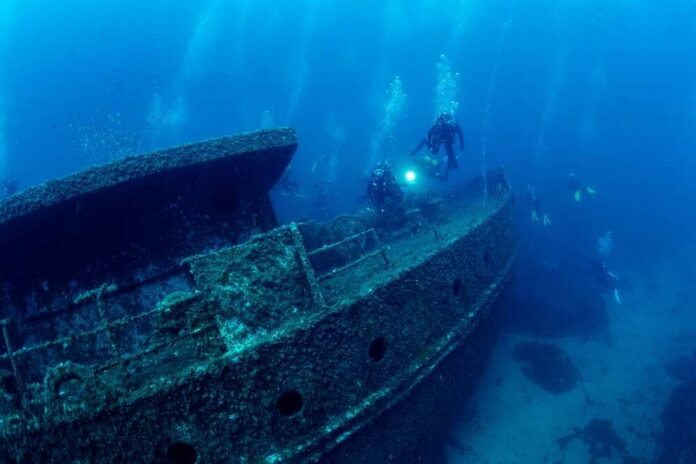
The service sent the cutter Margaret Norvell, divers, underwater robots, drones, and a cadaver dog to newly flagged areas in the Sea of Abaco.[4][7]
After four intense days, they announced the mission had concluded without recovering Lynette’s body.[4][7] The investigative arm still works the case, but the on-scene search in Bahamian waters has stopped.[4][5][7]
Federal officials do not casually call off a high-profile search for a missing American in another country’s waters.[4][5] Commanders weigh survival chances, currents, depth, and past cases where bodies were never found.[2]
They also answer to taxpayers who expect results, not endless open-ended missions. This case says the government must draw a line between “doing everything reasonable” and “chasing hope forever” with other people’s money and manpower.
The Coast Guard released new photos Monday as it announced that it has concluded its search in the Bahamas for Lynette Hooker, an American woman who went overboard and vanished two months ago. https://t.co/6RaTCpyU0G
— ABC News (@ABC) June 8, 2026
How The Search Shifted Into A Criminal Probe
The story did not begin with a crime scene; it began with a boating trip that turned into a mystery. Lynette vanished in April while on a sailing vacation in the Bahamas with her husband, Brian, who said she fell from their dinghy in rough water.[1][3][7][8]
As media pressure grew, the Coast Guard came back for a renewed search, driven by new digital forensic evidence from Brian’s devices and other electronics.[6][7][8] Officials say the Global Positioning System (GPS) data does not match his account of that night.[6][7][8]
That mismatch between the story and the data pushed the mission into a different category: from rescue or recovery to a possible criminal act.[2][4][7] Investigators seized the couple’s dinghy, transferred it from Bahamian to United States custody, and plan a full forensic workup.[1][4][6]
They already helped seize the larger sailboat Soulmate at sea earlier in the case.[9] This is classic step-by-step work: secure the vessels, read the electronics, then map where people actually went, not where they say they went.
Why “No Body” Does Not Mean No Answers
The brutal truth of maritime disappearances is that many bodies never come home.[2] The Sea of Abaco has changing currents, variable depths, and days of delay between the reported fall overboard and the initiation of search efforts.[1][2][3][8]
A body can sink, drift, or be lost on the sea floor beyond practical reach.[2] Ending the search does not declare Lynette alive or dead; it simply says further searches in that specific zone are unlikely to change the evidence picture.[2][4][5]
US Coast Guard seizes dinghy from which Lynette Hooker vanished in Bahamas waters. Husband Brian Hooker remains prime suspect after GPS data contradicted his account. Cadaver dogs & divers search… #BahamasMystery #LynetteHooker #MissingPerson #TrueCrimehttps://t.co/lFeisXYMXp
— @GlobalRightWatch (@AutonomusRepost) June 7, 2026
Families often reject that logic because their stakes are not financial or political; their stakes are a mother, a daughter, a wife. Lynette’s relatives now live in a strange space where federal agencies say “search over” but “investigation continues.”[4][5][7]
That limbo is harder than a clear ruling. From this view, the state should be very slow to declare a person dead without a body, especially when digital data suggests that someone may have lied about how she disappeared.[6][7][8]
What This Case Says About Trust, Data, And The State
The Hooker case taps into three core tensions that many Americans already feel. First, people want the government to work hard when one of our own goes missing overseas, but they do not want an open tab with no results.[2][4][5]
Second, many trust hard data more than they trust anyone’s story; that makes the GPS gaps in Brian’s account stand out as a bright red flag.[6][7][8]
Third, there is a rising belief that some crimes on the water never face real consequences.
When the Coast Guard withdraws from the search zone while keeping the criminal case open, it sends a clear message about priorities. Investigators now chase digital trails, lab reports, and forensic details on a seized dinghy.[1][4][6]
They ask the public for tips through an official app and media outreach.[4][7] That is the right direction: focus less on symbolic dives for cameras and more on hard evidence that can stand in court. The sea may never give up Lynette’s body, but the truth about what happened to her does not have to sink with it.
Sources:
[1] Web – Coast Guard ends search for Lynette Hooker in Bahamas
[2] Web – Coast Guard takes custody of dinghy amid new search for Lynette …
[3] Web – U.S. Coast Guard search for Lynette Hooker continues in Bahamas
[4] YouTube – Coast Guard Seizes Boat in Lynette Hooker Disappearance …
[5] Web – Watch Coast Guard searches for Lynette Hooker – FNC | FOX One
[6] YouTube – US Coast Guard searches for missing woman in Bahamas
[7] Web – U.S. Coast Guard concludes Bahamas mission in Lynette Hooker …
[8] Web – Lynette Hooker: Investigators seize dinghy as search continues for …
[9] YouTube – Exclusive: Coast Guard Divers Scan For Missing Wife