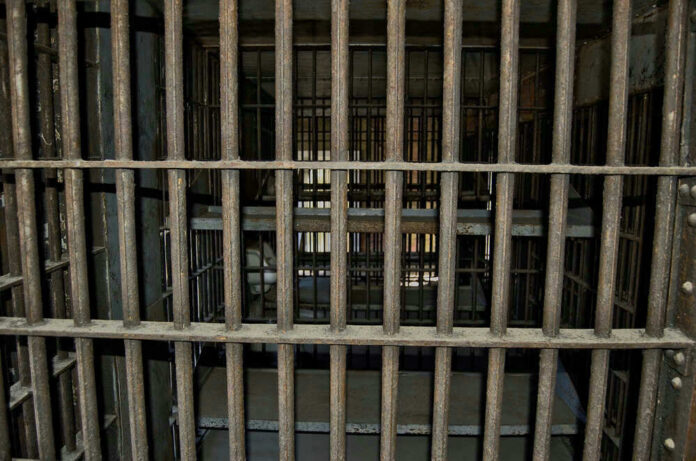
A federal judge has ordered Texas to install air conditioning in every state prison by December 31, 2029, calling the current summer heat “plainly unconstitutional.”
At a Glance
- Order: All Texas prisons must have air conditioning by end of 2029.
- Why: The judge found that extreme heat in prisons violates the Eighth Amendment.
- Record: Temperatures topped 100 degrees inside some units, with reported heat deaths and illnesses.
- Cost: The state has cited $1 billion to $1.5 billion to finish the job.
The Ruling: A Constitutional Line In The Heat
U.S. District Judge Robert Pitman issued a systemwide order after a federal trial record showed Texas prisons exposing people to extreme heat without air conditioning.
He found those conditions likely violate the Eighth Amendment ban on cruel and unusual punishment and said the practice is “plainly unconstitutional.”
The order requires a plan and full installation across all units by December 31, 2029. The directive follows earlier 2025 findings that excessive prison heat amounts to unconstitutional punishment.
The case grew from years of complaints, heat logs, and medical events tied to summer spikes. Court materials and coverage reported temperatures above 100 degrees inside multiple prisons. Plaintiffs linked the heat to deaths and serious illness during past summers.
Reports cited at least 23 heat-related inmate deaths from 1998 to 2002 and dozens more during a 2023 heat wave, claims that helped build urgency for systemwide relief. The judge’s order moves beyond pilot fixes to a firm deadline.
What Texas Must Do Now
The order requires the state to create, fund, and execute a plan to cool every prison. The Texas Department of Criminal Justice has already installed air conditioning in some facilities and added thousands of cooled beds, but most cells remain uncooled.
The agency and legislators must move from patchwork steps—like respite rooms, ice, and cool showers—to permanent cooling in housing areas. The plan must convert a summer survival strategy into a normal baseline of safe temperatures.
The timeline gives room for procurement, design, and grid coordination, but it also sets a clear floor for human safety. Courts have long held that prisons need not be comfortable, yet they cannot be inhumane. Extreme heat crosses that line when it creates a serious risk of harm.
The ruling applies that standard to Texas’s long, punishing summers and says mitigation alone is not enough when cells still climb to dangerous levels. That legal logic tracks prior federal cases on extreme temperatures.
Money, Priorities, And The Texas Way
Texas has framed cost as the main barrier. State estimates to fully cool all prisons range from about $1 billion to $1.5 billion. The prison agency recently asked lawmakers for about $298 million for upgrades, and past sessions provided tens of millions that added cooled beds.
Those figures show progress but also confirm the gap that remains. The order does not pick a dollar number; it sets a constitutional target and leaves budget choices to elected leaders.
Judge orders Texas to have air conditioning at all prisons by end of 2029 https://t.co/IrQkQghdZe
— ABC13 Houston (@abc13houston) September 23, 2026
Critics will ask whether air conditioning is a “right.” The Constitution does not list appliances. It does forbid punishments that fail the basic test of human dignity.
They also demand clear rules and equal treatment under law. No sheriff would lock a citizen in a truck cab at 110 degrees and call it justice. A prison cell should not be an oven either.
What Changes On The Ground
Wardens will need multi-year construction schedules, unit-by-unit design, and backup power plans. Engineers must size systems for old concrete boxes that hold heat. Contractors must phase work to avoid security gaps. Nurses and officers will still monitor heat risks, but the baseline will be safer.
Summer lockdowns can ease. Medical trips for heat stress can drop. Lawsuits over temperature can fade as the state meets a known standard. The fix is complex, but its goal is simple: stop cooking people.
How To Judge Success By 2029
Lawmakers should fund by milestones, not slogans. Tie dollars to finished housing areas, verified runtime logs, and maintenance plans. Publish a transparent unit dashboard with start dates, completion dates, and capacity brought under safe temperature bands.
Track heat-related medical incidents across the system each summer; they should fall. Control operating costs with modern chillers and smart controls. Guard morale and inmate safety should improve as heat stress drops. A safer summer is not abstract. It is measurable.
Sources:
nypost.com, texastribune.org, wftv.com, spectrumlocalnews.com, newsmax.com, nytimes.com, npr.org, wavy.com