
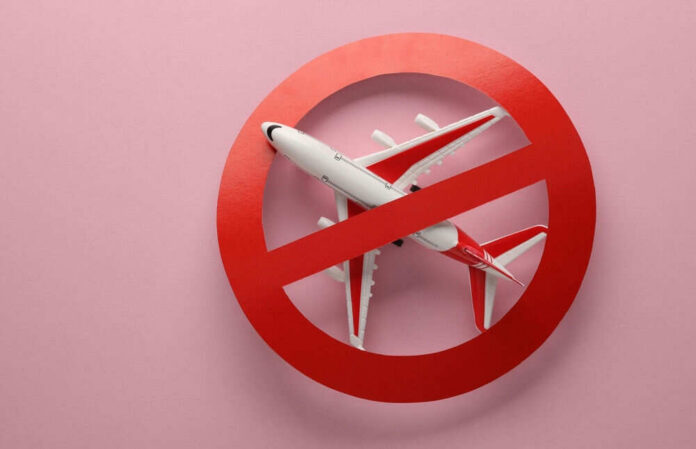
The United States raised Kenya’s travel advisory to Level 3, warning of health risks along with crime, terrorism, and kidnappings.
Story Snapshot
- Kenya’s status moved from Level 2 to Level 3; Americans are urged to reconsider travel.
- Officials cite health risks alongside crime, kidnappings, and terrorism in several regions.
- Specific danger zones include parts of Nairobi, northern and coastal counties, and border areas.
- Medical access can be limited outside major cities, raising stakes if emergencies occur.
What Washington Changed And Why It Matters
The U.S. Embassy in Kenya announced that the Department of State elevated Kenya’s advisory to Level 3. The notice cites health risks as the trigger for the level change, while also stressing crime, kidnapping, terrorism, unrest, and traffic safety concerns nationwide. Level 3 means “reconsider travel.” It does not ban trips, but it signals serious, active risks that demand caution and strong planning. The embassy posted a companion alert that details potential terrorist tactics and likely target types.
JUST IN: The U.S. is raising its travel advisory for Kenya from Level 2 to Level 3.
The U.S. Embassy in Nairobi said that the update was due to an Ebola outbreak in the African region, among other risks.
Under the Level 3 advisory released on Monday, Americans are urged to…
— Epoch Health (@epochhealth) October 20, 2026
The embassy’s terrorism section outlines risks from armed assaults, suicide operations, bomb or grenade attacks, and kidnappings. Possible targets include government sites, tourist spots, transport hubs, hotels and resorts, markets, malls, and places of worship. These are the very places casual travelers frequent, which explains the firmer tone. For readers who think “I will stick to the tourist trail,” the advisory suggests that the tourist trail is exactly where vigilance matters most.
Where Risks Concentrate On The Map
The advisory does not paint all of Kenya with one brush. It calls out parts of Nairobi, including Eastleigh and Kibera, and warns against travel in northern and northeastern counties such as Garissa, Wajir, and Mandera. It flags Lamu, Tana River, sections of Kilifi, and coastal areas north of Malindi. It also highlights areas near the Ethiopian border in Marsabit and Turkana, plus parts of West Pokot and western Turkana. These zones feature a mix of terrorism, banditry, and kidnapping risks.
Travelers often underestimate how fast an ordinary drive can turn risky when routes cross hot spots. The advisory lists violent crimes that occur in Kenya, including armed carjacking, mugging, home invasion, sexual assault, and kidnapping for ransom. That is not a theoretical list made for lawyers. It reflects the types of incidents that cause real harm to visitors and residents. A plan that avoids flagged corridors and observes daylight travel windows reduces exposure.
Health, Hospitals, And The Clock You Cannot See
The embassy says the level changed because of health risks. Local media coverage the same week reported the upgrade tied to both security concerns and an Ebola outbreak, reinforcing that health and security moved in tandem, not alone. The health note matters more when medical care is hard to reach. The Overseas Security Advisory Council reports that facilities outside major cities may lack supplies and capacity, which can turn a fixable problem into a crisis.
Travelers who rely on “I will deal with it if it happens” overlook two things: evacuation time and medicine on hand. Outside Nairobi and a few hubs, the clock runs faster than the ambulance. Evacuation insurance, clear clinic waypoints, and a plan to reach Nairobi or exit the country can save lives. That is not alarmist; it is practical risk math that aligns with a Level 3 posture and the council’s field reporting.
How To Read A Level 3 Without Overreacting
America’s advisory system uses four tiers. Level 3 is a strong caution. It says, “reconsider travel,” not “do not travel.” It can pair a national label with local no-go zones. That is by design, since risks vary by place and type. For Kenya, the government placed clear pins on the map, listed the crimes that occur, and described likely terror tactics and targets. This helps travelers adjust plans rather than guess in the dark.
One more point for common sense travelers: even great trips run on logistics and timing. Book hotels in safer districts. Use vetted transport, not street hails. Avoid protest areas. Keep nights short and routes simple. Confirm medical access near each stop. These steps respect personal freedom and protect families. That balance reflects a conservative view of travel risk: enjoy the world, but plan like your safety is your job first.
Sources:
ke.usembassy.gov, osac.gov, kenyans.co.ke