
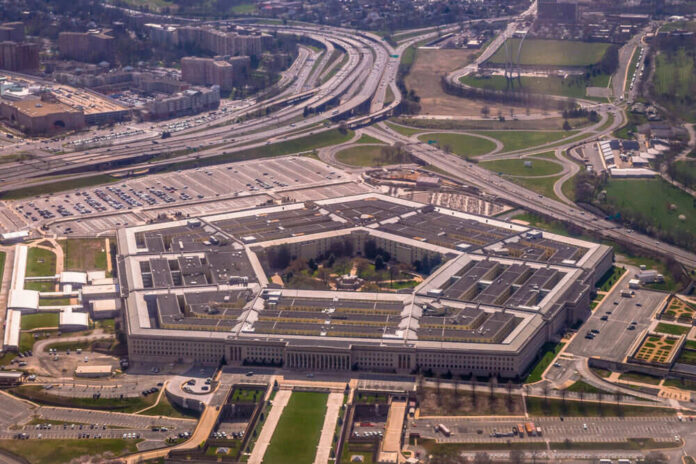
The Pentagon just told America’s troops to keep any nonpublic knowledge out of the betting pits—because adversaries are watching.
At a Glance
- A new memo bars troops from using nonpublic information to bet on prediction markets
- The policy cites operational security and mentions platforms like Polymarket and Kalshi
- Violators face administrative discipline and possible criminal charges
- A recent federal case alleges a soldier used classified details to place targeted bets
Pentagon’s Line In The Sand On Insider Bets
The Department of Defense issued a directive that forbids service members from using nonpublic information to wager in prediction markets. The guidance, conveyed in a memo by Defense Secretary Pete Hegseth, targets both classified information and unclassified information that has not been released to the public. The memo’s rationale is blunt: adversaries track these markets and look for signals. The order calls out platforms like Polymarket and Kalshi and warns that consequences can include criminal prosecution.
The rule aims to close a gap between fast-moving online markets and military operational security. The Pentagon’s concern is not abstract. The Department of Justice recently charged an Army soldier with using classified material tied to a named operation to place related prediction market bets. That case spotlights how a single wallet, a few clicks, and a rumor mill can collide with real-world plans, people, and risk.
The Case That Lit The Fuse
Federal prosecutors charged Army soldier Gannon Ken Van Dyke with crimes that include unlawful use and theft of nonpublic government information, commodities fraud, wire fraud, and an unlawful monetary transaction. Prosecutors allege he accessed sensitive, classified details about Operation Absolute Resolve, which targeted Nicolás Maduro, and then wagered about $33,034 on linked outcomes before the operation window. The government says those trades generated large profits. Van Dyke has been charged, not convicted.
The Justice Department places the planning and execution window for the operation between December 8, 2025, and January 6, 2026. The alleged trading occurred while he had access to the classified plan. Prosecutors claim this was not casual gambling but a targeted use of privileged access for gain. The charges show that current criminal laws can reach this conduct, even without new securities rules for these markets.
Why This Matters For Security And Markets
Prediction markets promise sharper forecasts by letting people “put money where their mouth is.” That promise breaks when a trader uses duty-bound secrets to rig the odds. The Pentagon’s memo reflects a core military value: the mission comes before the money. When a price spike hints at a covert plan, it can put lives at risk. Press accounts quote Hegseth warning that “our enemies watch movements in these markets,” which makes even small leaks a problem.
Pentagon bans troops from betting using insider information
Hegseth announced the ban this past week in a memo titled “Do Not Compromise Military Operations for Personal Financial Gain.” The directive bars department members — civilian staff or uniformed troops — from using… pic.twitter.com/m0rtYK3hOo
— Armed Forces Press (@AFP_press) October 24, 2026
American conservative values stress duty, personal responsibility, and equal rules. This policy follows that logic. Service members swear an oath. They carry trust the rest of us do not. When they use nonpublic information to trade, they betray that trust and tilt the field against regular citizens. The Pentagon’s step draws a clear, common-sense boundary: analyze public facts all you want; do not turn inside knowledge into a side hustle that could flag a mission.
Enforcement And The Road Ahead
The memo states that violators can face administrative penalties and criminal charges under the Uniform Code of Military Justice or federal law. That gives commanders tools to act fast and prosecutors tools to deter. The recent federal case shows how wire fraud, commodities fraud, and misuse of government information can apply to trades on nontraditional platforms. That mix covers both the breach of duty and the financial scheme built on it.
Prediction markets will keep growing because they are simple, fast, and addictive. The Pentagon’s job is not to referee every bet, but to harden the line where national security begins. This directive does that with plain language and real teeth. Markets can digest rumors. They cannot be allowed to digest classified plans. When lives and missions are at stake, silence beats a signal—and discipline beats a lucky ticket.