

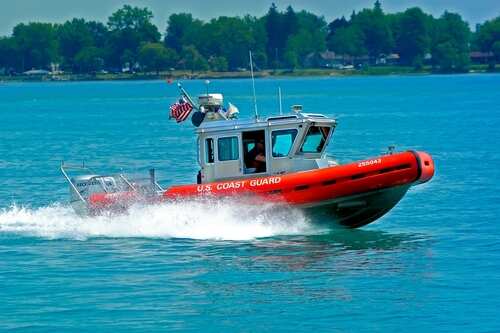
An 86-year-old sailor and his dog were found alive 460 miles off California after going silent for more than two months.
Story Snapshot
- A Coast Guard aircraft found the sailboat Willow Wind after an emergency beacon alert.
- The voyage began in Astoria, Oregon, bound for Pago Pago in American Samoa.
- The merchant ship Grand Orion took the pair aboard after rough seas delayed recovery.
- A Coast Guard helicopter later hoisted them and flew them toward San Diego.
Beacon ping, search plane, and a speck in the Pacific
The Coast Guard launched a search when an emergency beacon signaled distress in the open ocean. An aircrew located the sailboat Willow Wind about 460 miles off San Diego. The vessel had set out from Astoria, Oregon, on a planned 5,000-mile passage to Pago Pago, American Samoa. The last known contact came on August 20. An overdue report was filed on October 24, which set the stage for the beacon-led search in late October.
Search crews used the beacon’s position to narrow a vast area. A Coast Guard aircraft flew patterns to confirm the target and assess the scene. The sailor was aboard with his dog, and a damaged sail was reported. The Coast Guard coordinated a rescue with nearby commercial traffic. The merchant ship Grand Orion diverted to the position and prepared for a sea transfer as the weather allowed.
A long wait on rough water before the ladder drops
Grand Orion reached the sailboat at about 3:20 a.m., but heavy seas made an immediate pickup unsafe. The crew stood by and waited for better conditions. Hours later, they executed the recovery and brought the man and his dog aboard at around 5:36 p.m. The transfer from a small sailboat to a towering ship can be more dangerous than the drift, so the delay reflected prudent seamanship and likely saved lives.
After the ship stabilized its course toward the coast, the Coast Guard planned the next step. A helicopter crew from Coast Guard Air Station San Diego launched to meet Grand Orion when it closed the distance. The aircrew hoisted the sailor and his dog when the ship was about 170 miles west of Ventura, then flew them to San Diego for care. The man was described as weak and unsteady but without major injuries, and he was taken to a hospital for evaluation.
The two-month silence and the routine heroics behind it
Family and authorities had no contact for more than two months. That silence ended the moment the emergency beacon spoke for him. This is how modern ocean rescues often work: a radio may fail, a sail may tear, but a properly registered beacon cuts through time and distance. The Coast Guard runs thousands of these cases every year, and saves thousands of lives. In the last fiscal year, the service recorded 6,705 cases and 2,242 lives saved.
An 86-year-old sailor, adrift in the Pacific with his dog, and both of them were pulled out alive.
He left Astoria, Oregon, in August on his sailboat, the Willow Wind, headed for American Samoa. Nobody had heard from him since Aug. 20. Then an emergency beacon went off, and the…
— William Whittington (@WheelerMan) November 1, 2026
American common sense says plan ahead, back up your plans, and help your neighbor when the chips are down. That is exactly what played out here. The sailor carried a beacon. The Coast Guard answered the call. A merchant crew changed course, lost time, and likely prevented a tragedy. The chain held because each link carried its load. That is not luck. That is preparation, duty, and the quiet courage of pros doing their jobs.
Why this case matters beyond one rescue
This rescue shows the simple gear that saves lives. An emergency beacon, fresh batteries, and clear registration give search crews a starting point. A small boat far offshore can vanish from sight within minutes, so a beacon is the one voice that does not tire. The Coast Guard’s coordination with commercial shipping also shows a tested system at work. Big ships are not bystanders; they are part of the safety net by law and by culture.
For coastal cruisers and bluewater sailors, the lessons are plain. File a float plan with a trusted contact. Carry a redundant way to call for help. Keep rigging and storm gear ready for real seas, not fair-weather practice runs. Train your crew, even if your only crew has four legs. When things go wrong, minutes matter, and the right prep turns minutes into miles covered by rescuers who know exactly where to look.
Sources:
foxnews.com, people.com, edhat.com