A British parent company bought an American sporting goods chain for $1.1 billion — and is now set to shut 175 of its stores in the name of “efficiency.”
Story Snapshot
- Hibbett Sports will close about 175 U.S. stores over three years under the plan of new owner JD Sports.[2][3]
- JD Sports calls the move a cost-cutting push and a way to focus on “fewer, bigger, better” locations.[1][2][3]
- Most closures will hit so-called underperforming and smaller stores, many in small and mid-sized towns.[3]
- The plan fits a familiar merger script: investors cheer “optimization,” while local communities lose jobs and choice.[1][2][3]
Why JD Sports Is Shrinking Hibbett To Grow Profits
JD Sports, a British retailer, bought Hibbett Sports in 2024 for about $1.1 billion to boost its reach in North America.[1][2][3] Hibbett had built a niche in small and mid-sized markets across the Southeast, Southwest, and lower Midwest, often as the only athletic store in town.
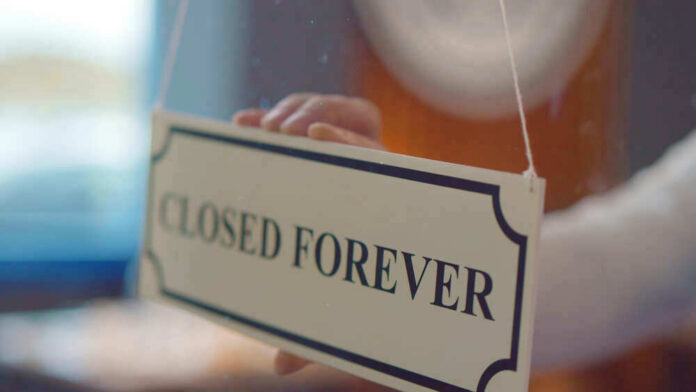
Now JD Sports says it will shut roughly 175 Hibbett stores over the next three years, focusing on “underperforming” shops to cut costs and sharpen its footprint.[1][2][3] That is the official story.
On a recent earnings call, JD Sports leaders laid out their mantra: “fewer, bigger, and better” stores that drive higher sales and profits per square foot.[1][2][3]
Chief executive officer Régis Schultz said the company’s key goal is to improve store productivity and optimize its “store estate,” business-speak for closing weaker locations and betting on larger formats.[2][3]
The company closed 39 stores last year and now plans to open about 170 to 175 more in North America, mainly under the Hibbett name.[1][2]
Hibbett Sports owner plans to close 175 underperforming stores in major North American reorganization https://t.co/SYgGFpK67q
— FOX Business (@FoxBusiness) June 8, 2026
Underperforming Stores Or Sacrificed Communities?
Company statements say the closures will focus on underperforming stores, especially smaller sites that have struggled to turn a profit.[2][3] That makes sense on paper: bigger stores allow more product, more technology, and more marketing punch.[3]
But the public record does not include store-by-store numbers, rent data, or traffic trends to prove each targeted store is truly weak.[1][2][3] Shoppers, workers, and landlords are asked to take management’s word on which communities “no longer make sense.”
There is also no real counterweight in the public debate. No regulator, court, or independent analyst has published a rival model that questions JD Sports’ savings claims or its choice of locations.[1][2][3]
The narrative is almost fully written by the company and then repeated by business media. That does not make it false. It does mean average citizens see only one side: a tidy “optimization” story that hides the local fallout behind clean charts and upbeat investor language.
Post-Acquisition Playbook: Fewer Stores, Bigger Bets
This closure wave fits a pattern in retail. A buyer pays a rich price for a chain, then starts cutting stores to make the numbers work. Reports say JD
Sports now wants a leaner brick-and-mortar network, with weaker Hibbett sites closed, some Finish Line stores converting to the JD banner, and new JD stores opening in key markets.[1][3]
That is a reshuffle, not a pure retreat. The company is trading small-town coverage for larger urban and suburban hubs where it sees more upside.[1][3]
🏬 Overview:
A major U.S. sporting‑goods retailer — Hibbett Sports, owned by JD Sports — is set to close 175 stores across the United States as part of a multi‑year reorganization and cost‑cutting strategy.📉 Core Facts:
– Hibbett store closures — JD Sports will shut about 175…— Washington Report (@Washington_Rep) June 8, 2026
For investors, this may look like common sense. Why keep stores that do not earn enough to justify the rent and staff? For many, that logic aligns with basic market discipline: businesses need to be free to close failing units so the healthy parts can grow.
The risk comes when “underperforming” is really a polite label for communities that are simply less trendy, less dense, or less central to a corporate growth story.
What It Means For Workers, Shoppers, And Local Economies
Hibbett has long placed stores in smaller towns that big-city chains ignored. Closing 175 locations from a base that has already dropped from over 1,100 to under 1,000 means some of those towns lose more than just a shoe store.[3]
They lose jobs for young workers, a local sponsor for school teams, and one of the few places where parents can try kids’ cleats before a season starts. Those costs do not show up in a shareholder deck, but they are real.
JD Sports has not published a list of specific closures yet, only a broad three-year window.[3] That delay spreads anxiety among employees who do not know if their store is on the block and gives the company room to adjust course if sales trends change.
From a business standpoint, staggered closures soften the shock to earnings. From a human standpoint, it keeps families in limbo. It says transparency would build trust, yet the incentives reward quiet, flexible execution instead.
Reading Between The Lines Of “Optimization”
Corporate leaders have every right to reshape a chain they bought with their own capital. But when every tough call gets wrapped in feel-good buzzwords, citizens should slow down and read the fine print. “Fewer, bigger, better” may yield stronger profits for JD Sports and its investors.[1][2][3]
It may also leave pockets of America with fewer choices, more empty storefronts, and yet another reminder that faraway executives decide which towns stay “worth it.” That tension will not show on the balance sheet, but it will show on Main Street.
Sources:
[1] Web – Hibbett Sports owner plans to close 175 underperforming stores in …
[2] Web – Hibbett Sports owner plans to close 175 underperforming stores in …
[3] Web – Hibbett Sports to Close 175 Stores in JD Sports Restructuring