
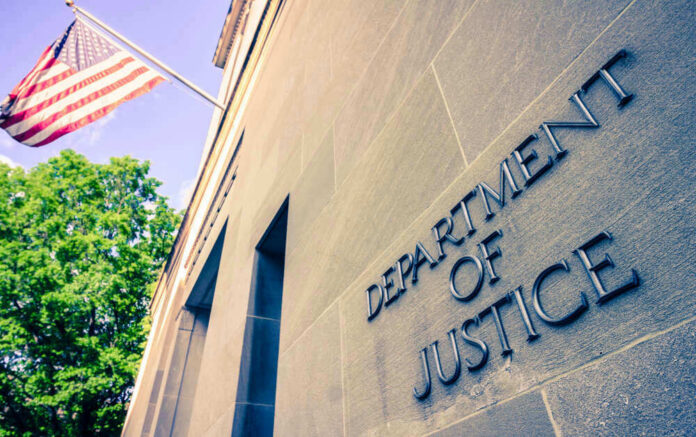
A civil-rights powerhouse that built its brand on fighting hate is now facing federal fraud charges for allegedly bankrolling the very extremists it claimed to dismantle.
Quick Take
- The DOJ says a federal grand jury indicted the Southern Poverty Law Center on 11 counts tied to an alleged decade-long fraud scheme.
- Prosecutors allege more than $3 million was routed from 2014 to 2023 to individuals linked to groups, including the KKK and Aryan Nations, using shell entities and prepaid cards.
- SPLC leadership denies wrongdoing, arguing the payments were tied to a now-defunct informant program and calling the case politically “weaponized.”
- The case intensifies debates about nonprofit accountability, donor transparency, and whether “anti-extremism” work can mask financial deception.
What the indictment alleges—and why the details matter
Federal prosecutors in the Middle District of Alabama say a grand jury indicted the Southern Poverty Law Center on April 21, 2026, charging six counts of wire fraud, four counts of bank fraud, and one count of conspiracy to commit money laundering.
The DOJ alleges SPLC funneled more than $3 million between 2014 and 2023 to at least eight people affiliated with extremist organizations, disguising payments through shell companies, sham accounts, and prepaid cards.
DOJ officials framed the alleged conduct as a betrayal of donor intent rather than a dispute over tactics. Acting Attorney General Todd Blanche said the organization promised donors it would fight hate, while secretly financing extremists through mechanisms designed to evade detection.
FBI Director Kash Patel separately emphasized the alleged deception of financial institutions, pointing to fictitious entities used to move money. The indictment’s structure signals prosecutors believe the conduct was systematic, not a one-off accounting problem.
SPLC’s defense: informants, intelligence work, and claims of political targeting
SPLC leaders argue the government is mischaracterizing intelligence-gathering as criminal fraud. CEO Bryan Fair has defended the organization’s past use of paid confidential sources inside violent groups as legitimate work and has said the program at issue is defunct.
SPLC has also described the investigation as “weaponization,” a claim that resonates in a polarized era where many Americans—left and right—suspect government priorities are shaped by politics rather than neutral enforcement.
Southern Poverty Law Center indicted on federal fraud charges related to past use of paid informants https://t.co/PaSeSRKBHW
— WREG News Channel 3 (@3onyourside) April 21, 2026
That tension is central to how the public will read the case. The DOJ’s allegations focus on money movement, donor representations, and concealment tools such as shell entities and prepaid cards—elements that typically matter in fraud cases regardless of motive.
SPLC’s rebuttal focuses more on purpose: infiltrating dangerous groups to track and disrupt them. With limited public detail beyond the charging document and statements, outside observers have little independent evidence so far to weigh whether these payments were controlled informant expenses or improper funding.
Why conservatives are watching closely—and why liberals are uneasy too
Conservatives have long criticized SPLC’s “hate group” designations and the cultural power that flows from them, especially when labels are used to pressure companies, banks, and platforms.
This indictment, if proven, would reinforce a broader complaint: influential institutions can operate with weak accountability while preaching moral authority. At the same time, the indictment’s allegations involve financing extremists—an outcome that would alarm mainstream Americans across parties if donor funds were diverted and hidden.
What happens next: legal exposure, nonprofit oversight, and donor trust
The criminal case is active, and early consequences could extend beyond the courtroom. The reporting around the indictment has raised the possibility of asset freezes and leadership scrutiny, though specific steps will depend on prosecutors and the court.
Longer-term, a conviction could reshape how 501(c)(3) organizations handle confidential-source work, donor disclosures, and financial controls. Even without a conviction, the scrutiny may push nonprofits to tighten auditing and demonstrate clearer separation between intelligence operations and prohibited financial conduct.
DOJ charges Southern Poverty Law Center with fraud over secret funding of extremist groups https://t.co/w2fXa9naEc
— CNBC Politics (@CNBCPolitics) April 21, 2026
The broader political significance is not just partisan payoff; it is the recurring public fear that “the system” protects insiders until it doesn’t—and that institutions can drift from their stated missions without real oversight. The DOJ says this is a straightforward fraud case. SPLC says it is a political attack.
The evidence presented in court will decide which narrative holds, but the episode already underscores a shared frustration across the electorate: when transparency fails, trust collapses, and ordinary donors and citizens pay the price.
Sources:
Southern Poverty Law Center Justice Department investigation informants hate groups
DOJ says Southern Poverty Law Center funneled $3M to white supremacist extremist groups
Southern Poverty Law Center Justice Department investigation