

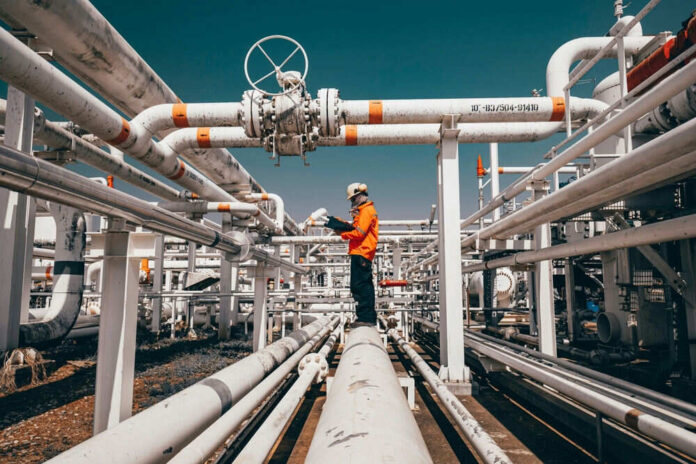
While Americans are still paying through the nose at the pump, the Energy Department is quietly handing over a million barrels of oil from our so-called “emergency” reserves to ExxonMobil—proving, once again, that Washington’s definition of ‘emergency’ seems to mean ‘whatever crisis the last administration left us with’.
At a Glance
- Energy Department authorizes release of 1 million barrels from the Strategic Petroleum Reserve (SPR) to ExxonMobil after a zinc contamination shuts down a vital Gulf Coast crude supply.
- Mars crude, essential for Louisiana and Gulf Coast refineries, is sidelined after an offshore well start-up by Chevron taints the supply, threatening regional fuel stability.
- ExxonMobil suspends Mars crude purchases and reduces operations at its Baton Rouge refinery, risking fuel shortages for millions.
- The Department of Energy claims taxpayers won’t foot the bill and that SPR replenishment won’t be delayed, but critics warn repeated draws could erode national energy security.
Emergency Oil Handout: Washington’s New Normal
When did the Strategic Petroleum Reserve transform from a national shield into a revolving door for bailouts? The Department of Energy’s latest decision to “exchange” one million barrels of crude oil with ExxonMobil—after contamination crippled the Mars crude supply—shows just how fragile our critical infrastructure has become.
The catalyst? An offshore well start-up by Chevron introduced zinc into the Mars crude stream, a move that forced ExxonMobil’s Baton Rouge refinery to cut operations and halt purchases. For a region as vital as the Gulf Coast, where refineries are built specifically for Mars crude, this is no small hiccup. It’s a red flag for the entire energy sector, and for every American who remembers what real gasoline shortages look like.
The Department of Energy wants us to believe this is all routine, but the facts tell another story. The release was authorized not because of a hurricane or a foreign war, but because a single company’s well fouled up the supply. That’s not a national emergency—that’s a glaring vulnerability.
The DOE insists ExxonMobil will return every barrel, plus some, and at no cost to taxpayers. But if you believe government IOUs are as good as gold, I have a bridge to sell you. Every time the SPR is tapped for a “temporary” crisis, Americans are left wondering how much strategic reserve we’ll have left the next time a real emergency hits.
Refineries Rely on Mars Crude—and Now They’re Left Guessing
The Gulf Coast is America’s energy heartland, with refineries fine-tuned for Mars crude’s unique properties. When contamination struck, ExxonMobil had no choice but to suspend purchases and run at reduced capacity. The risk? Fuel shortages for families and truckers across Louisiana and beyond, at a time when other oil supplies are already stretched thin.
Wildfires in Canada, cutbacks in Mexican oil, and the Biden-era halt on Venezuelan imports have all tightened the screws on U.S. fuel markets. Mars crude isn’t just another barrel—it’s the backbone of regional fuel stability. And when that backbone breaks, the entire supply chain feels the pain.
The rare move to tap the SPR for a quality—not quantity—crisis sets a dangerous precedent. The reserve was designed for war and disaster, not to paper over the cracks caused by tightly concentrated supply chains and questionable operational oversight. Chevron claims the zinc contamination “shouldn’t impact production guidance,” but their assurances ring hollow for anyone who remembers past refinery snafus. Each day Mars crude remains offline, the risk of price spikes and rationing grows.
Who Pays When the Strategic Reserve Becomes a Stopgap?
The Department of Energy and its defenders want to reassure the public: This is just a temporary exchange, they say, and the SPR will be refilled with interest. What they don’t mention is that every time the government steps in to cover a corporate misstep or supply chain blunder, it chips away at the very foundation of our energy security. The SPR’s purpose is to protect Americans from geopolitical shocks, not to serve as a revolving credit line whenever a refinery hits a speed bump.
Energy experts warn that repeated, non-emergency draws from the reserve risk undermining its strategic purpose. Critics point out that today’s “exchange” could become tomorrow’s routine, especially as the DOE scrambles to juggle the fallout from policy missteps and supply chain fragility. The lesson here is as old as American common sense: If you use your rainy-day fund for every drizzle, don’t be surprised when you’re soaked in the next real storm.