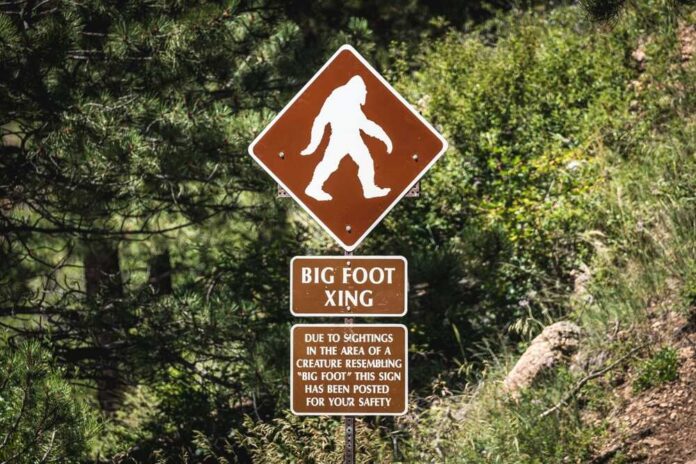
A malt beverage just put a price on folklore: $1,000,000 for proof Bigfoot is real.
Story Snapshot
- Hard Mountain Dew launched a Bigfoot “bounty” with strict rules and a $1 million prize.
- Entrants must be 21+ and submit at least four of seven specific evidence types.
- The window runs through late fall with submissions via the brand’s official site.
- Scientists say no hard evidence of Bigfoot exists after decades of searches.
A Beverage Brand Turns Myth Into a Measurable Challenge
Hard Mountain Dew opened a national contest that ties a seven-foot legend to seven kinds of proof. The company says adults 21 and older can submit evidence that meets tough measurements and lab checks. Submissions must satisfy four of seven categories to claim the cash.
The headline prize is $1,000,000. The entry portal and judging plan are spelled out in media summaries of the promotion, which launched September 16 and runs through November 30.
Reporters who reviewed the rules describe precise specs. Examples include a footprint between 37 and 38.5 inches pressed six inches into solid gravel, a documented 13-inch handprint with distinct proportions, thermal video of a seven to nine foot heat signature moving at high speed, audio consistent with reported calls, environmental traces, and hair with “unknown” DNA markers.
The brand requires at least four verified items to win. The company pairs the standards with a named Bigfoot expert for judging rigor, according to local coverage.
The Stakes: Proof Standard Meets Pop Culture
The contest frames Bigfoot as something that could be proven by evidence, not belief. That shifts the question from campfire tale to collection and lab work. The message is simple: find it, measure it, and cash in. That pitch has worked before in entertainment.
A decade ago, a television series waved a larger prize and borrowed credibility from an insurance backstop to spark the hunt. The tactic draws press by borrowing the tone of science while selling a fun chase.
Brand lawyers know this line well. Clear rules and sober disclosures matter as much as the big number. Regulators warn that prize ads cannot mislead people about odds or mechanics.
When firms structure promotions with measurable criteria, public entry limits, and verifiable judging, they stay inside the guardrails that protect consumers and the brand’s name.
The Evidence Gap That Has Outlived Generations
Scientists remain firm on the core point: no body, no bones, no hard proof. Peer‑reviewed studies of alleged hair samples have pointed to bears, horses, dogs, and other known animals. Popular retellings of those findings say DNA testing undercuts the myth.
That view holds the field today and explains why a beverage brand can run a loud bounty without fear of paying out quickly. Decades of claimed sightings have not produced the physical remains that settle questions in biology.
The most famous video, the Patterson‑Gimlin film, still draws debate among fans. Mainstream writers note that skeptics say the figure was a person in a suit, not a new species.
That back‑and‑forth keeps Bigfoot alive in culture, but it does not lift the story over the bar of hard proof. The Hard Mountain Dew rules, with lab language and numeric specs, nod to that gap while offering a stage for the hopeful to try again.
What This Campaign Says About Marketing—and Us
This bounty works because it blends three strong forces: money, measurement, and myth. The money gets attention. The measurements give the stunt a backbone that sounds like field science. The myth gives people a reason to talk, explore, and share.
That is a classic earned‑media engine. The brand spends on prize insurance and production, then lets curiosity do the rest. The tighter the rules, the more “serious” the hunt feels, even if the odds are long.
Hard Mountain Dew offers $1M bounty to anyone who can prove Bigfoot is real. Adults 21 and older have until November 30 to submit alleged Bigfoot evidence
https://t.co/xiZy87wQO4— RandyRamey 🇺🇸 (@randy_ramey) September 22, 2026
Common sense suggests two takeaways. First, read the rules line by line before you trek into the woods. Know what counts and how to document it. Second, enjoy the chase without losing your head.
If someone really nets four rock‑solid proofs, they change more than a marketing plan; they rewrite a chapter in North American wildlife. Until then, the safer bet is this: the brand will get its million clicks faster than anyone gets the million dollars.
Sources:
foxbusiness.com, nypost.com, manilatimes.net, claytribune.com, science.howstuffworks.com, popsci.com, skepticalinquirer.org