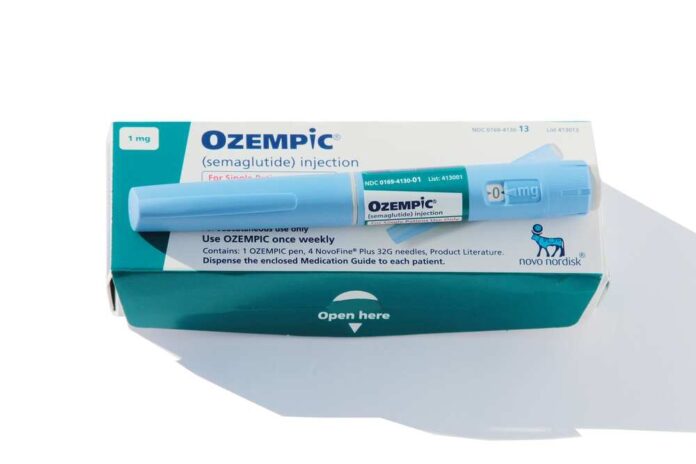
Airlines could save $580 million annually on fuel costs as GLP-1 weight-loss drugs like Ozempic slash passenger weight by 2%, delivering an unexpected windfall to an industry already notorious for nickel-and-diming customers.
Story Highlights
- The top four U.S. airlines are projected to save $580 million yearly from lighter passengers using weight-loss drugs
- 2% reduction in average passenger weight could cut fuel consumption by 1.5% across major carriers
- American Airlines restricts employee GLP-1 coverage while potentially benefiting from passenger drug use
- Jefferies analysis ties pharmaceutical innovation to quantifiable airline operational savings
Airlines Discover Uncontrollable Weight Factor Now Within Reach
Jefferies Research Services released an analysis showing that major U.S. airlines could dramatically reduce fuel costs by widespread adoption of GLP-1 drugs among passengers.
The report estimates American Airlines, Delta Air Lines, Southwest Airlines, and United Airlines collectively spend $38.6 billion annually on jet fuel.
Analyst Sheila Kahyaoglu identified passenger weight as a previously uncontrollable variable that is now influenced by pharmaceutical intervention. Airlines historically obsessed with weight reduction through measures like pitless olives and lighter paper materials.
Airlines have 580 million reasons to like GLP-1 weight-loss drugs, analysis finds https://t.co/vLzrNBwLTX
— FOX Business (@FoxBusiness) January 19, 2026
The analysis projects a 10% societal weight reduction, translating to a 2% passenger weight decrease and yielding 1.5% fuel efficiency gains. Boeing 737 Max 8 modeling shows a 3,200-pound reduction in passenger weight during takeoff.
Novo Nordisk’s oral GLP-1 drug launched in January 2026 at a $149 monthly cash price or $25 with insurance coverage. This pharmaceutical breakthrough targets injection-averse patients previously unable to access weight-loss treatments through traditional semaglutide injections.
Corporate Hypocrisy Emerges in Employee Benefit Cuts
American Airlines implemented restrictive GLP-1 coverage policies effective January 1, 2026, limiting employee access to diabetes-only treatments while excluding weight-loss applications.
The carrier covers Ozempic and Mounjaro for Type 2 diabetes but eliminates Wegovy and Saxenda for weight management. Association of Professional Flight Attendants condemned the policy change, calling it a reduction in healthcare value and a stripping of employee options.
This restriction occurs simultaneously with projections showing Americans benefiting from passenger weight-loss drug usage.
Union representatives argue that the coverage cuts demonstrate corporate cost-cutting at employees’ expense, while airlines profit from societal pharmaceutical trends.
APFA negotiates alternative arrangements, including increased copayments and prior authorization requirements. The timing reveals airlines’ willingness to benefit from passenger drug use while restricting employee access to identical treatments.
This approach exemplifies corporate America’s tendency to privatize gains while socializing costs through reduced worker benefits.
Market Analysis Reveals Broader Economic Implications
The Jefferies report indicates a potential 4% earnings-per-share boost for major carriers through reduced fuel consumption alone. Weight-loss drug proliferation creates a symbiotic relationship between pharmaceutical companies expanding market reach and airlines achieving operational efficiency gains.
Costco’s partnerships with Novo Nordisk provide low-cost access to drugs, accelerating adoption among price-sensitive consumers. President Trump’s pledge to reduce Ozempic costs to $150 per month could further expand its usage demographics.
Industry experts acknowledge uncertainty regarding long-term drug effects and sustained usage patterns affecting projected savings. The analysis assumes consistent weight-loss maintenance, potentially optimistic given the pharmaceutical dependency requirements.
Airlines face volatile fuel prices, making operational efficiency improvements increasingly valuable to shareholder returns. This pharmaceutical-aviation intersection demonstrates the unintended economic consequences of medical innovation addressing America’s obesity epidemic through market-driven solutions.
Sources:
Airlines have 580 million reasons to like GLP-1 weight-loss drugs, analysis finds
Weight loss drugs could save airlines money on fuel as passengers get lighter
Ozempic Coverage Cut: American Airlines Flight Attendants Face Reduced Benefits
2026 Benefits: GLP-1 Medication Changes
Weight-loss pills could fuel airline savings