
A surge in unpaid utility bills threatens to strain the finances of millions further, posing a new challenge for the Trump administration.
Story Highlights
- Utility bills in the US are seeing a significant rise, with more consumers falling behind.
- This trend poses an economic challenge and a political headache for President Trump.
- AI industry growth may further increase energy consumption and costs.
- The Trump administration faces scrutiny over its handling of energy cost issues.
Rising Utility Costs Challenge Consumers and Trump Administration
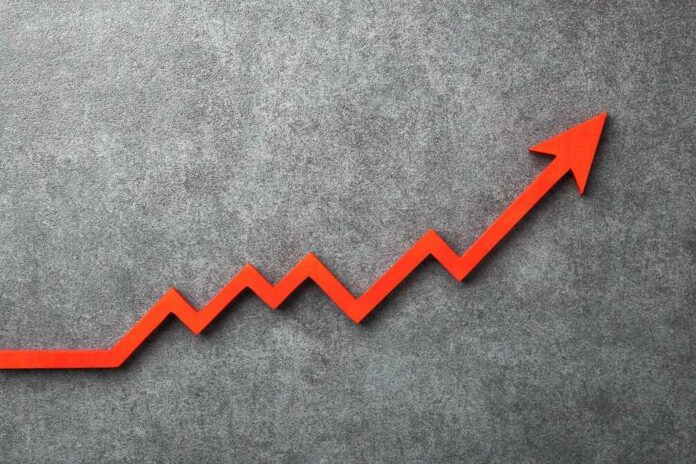
Recent analysis shows a 9.7% annual increase in past due utility balances, reaching $789 between April and June of 2024 and 2025. This increase coincides with a 12% jump in monthly energy bills.
As consumers prioritize utility bills alongside mortgages and auto debt, these rising costs suggest potential financial instability in other areas, too.
Troubles paying electricity and gas bills reflect an economic quandary for President Trump, who is promoting AI industry expansion as a part of an economic boom. However, AI data centers consume massive electricity, threatening to further increase utility costs for everyday Americans.
New analysis shows more US consumers are falling behind on their utility bills https://t.co/sJlYK0zoIk pic.twitter.com/IVGuYELoL3
— Sentinel Business (@OSentinelBiz) November 17, 2025
Political Pressure and Economic Implications
As affordability emerges as a top voter issue, fast-rising electricity bills could affect next year’s congressional elections. Trump emphasizes lower gasoline prices, which account for 3% of the consumer price index, but savings here could be offset by increased utility bills.
Trump disputes negative inflation data, attributing it to Democrat manipulation.
Nearly 6 million households face severe utility debt, risking collection agency reports. A 3.8% increase in severely overdue utility bills marks Trump’s first six months in office.
Critics argue tech giants’ backroom deals with politicians elevate power bills, while the administration claims no responsibility for state-regulated electricity prices.
Debate on Energy Policy and Its Effects
The Trump administration faces criticism for impeding renewable energy generation, which some argue could alleviate utility costs. The Century Foundation counters government claims by highlighting the impact of obstructed solar and wind power projects.
Despite these challenges, other analyses suggest consumer finances are stable, with the New York Federal Reserve noting relatively low mortgage delinquencies.
While utility cost concerns mount, the administration maintains that electricity prices are primarily a state issue. Treasury Secretary Scott Bessent asserts that state utility boards, not federal policies, dictate local prices, adding complexity to an already heated debate.