

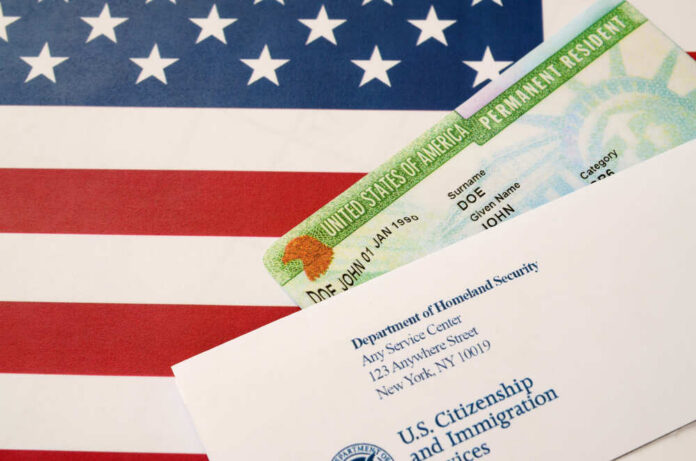
The White House moved to lift the refugee ceiling and steer most new slots to Afrikaners from South Africa, turning a disputed claim into U.S. policy.
At a Glance
- Executive Order 14204 set a priority for Afrikaners alleging race-based abuse in South Africa.
- The administration asked Congress to expand refugee slots to 17,500, aiming them at Afrikaners.
- News reports say most recent refugee arrivals under this policy came from South Africa.
- South Africa and several outlets dispute that Afrikaners face state persecution.
The Executive Order That Set the Refugee Priority
President Trump signed Executive Order 14204 on February 7, 2025. The order said the United States would promote resettlement of Afrikaners who are victims of unjust racial discrimination, including discriminatory property seizures.
It also linked U.S. pressure to South Africa’s land policies and foreign posture. Congress’ summary described “egregious actions” and “aggressive positions” by South Africa on land and race, and noted the order’s refugee resettlement focus for Afrikaners.
The order framed the issue as both a human rights concern and a signal to Pretoria. It criticized South Africa’s actions on land reform and flagged tensions tied to South Africa’s positions on Israel and Iran, according to the executive order and congressional materials.
That dual track—refugee protection mixed with foreign-policy leverage—set the stage for later moves to widen admissions for a specific group, rather than open the broader program.
From Words to Arrivals: How the Program Scaled
The administration did not leave the policy on paper. By fiscal year 2026, reporting said the United States had resettled 12,904 refugees, almost all from South Africa, reflecting an operational program that moved real people through the pipeline.
In May 2026, the State Department notified Congress of a plan to raise the refugee ceiling from 7,500 to 17,500 and allocate the added places to Afrikaners under an “emergency refugee situation” rationale.
That expansion request showed the White House viewed the situation as ongoing and urgent. It aimed to widen a narrow admissions channel rather than restore a broad refugee flow.
The numbers showed capacity and follow-through, but they did not reveal the individual case records that settle the core refugee-law question for each applicant. Large totals prove scale, not persecution on a case-by-case basis.
The Dispute Over Evidence and Definition
South Africa’s government rejected the claim that it persecutes Afrikaners, and several outlets reported denials of a “white genocide” narrative. Reuters noted that Trump’s statements about Afrikaners being killed did not come with evidence in the moment.
The Guardian and CBS News described the South African government’s repeated denials and characterized the framing as strongly disputed by officials and advocates.
The Trump administration plans to welcome up to 17,500 additional White South African refugees into the US in the coming year.
Follow: @AFpost pic.twitter.com/mqRWdNdXVD
— AF Post (@AFpost) September 23, 2026
Conservative common sense asks for two tests. First, does the policy rest on a clear national interest? Second, do the facts meet the law’s standard for refugees? The first test can be argued through human rights and alignment.
The second needs documented persecution tied to protected grounds, not only high crime or political grievance. The administration’s executive order and notices show intent and action, but the public record still lacks many individualized determinations that would quiet the debate.
Policy Design, Tradeoffs, and What Comes Next
Refugee policy often blends moral judgment and strategy. Prioritizing Afrikaners created both speed and controversy. Supporters can say the United States stood up to race-based abuse and backed a threatened minority.
Critics argue the program sidelined other refugees and looked selective, even racial, in design. The strongest path to settle this is sunlight: release redacted case files, country assessments, and the full congressional notice that labeled the situation an emergency, so arguments rest on records instead of headlines.
Sources:
hks.harvard.edu, newser.com, aila.org, congress.gov, aljazeera.com