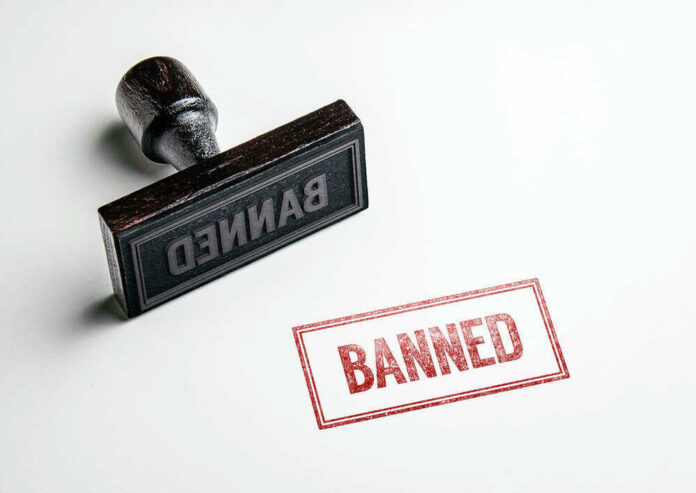
President Trump said Bombardier can keep the U.S. market only if it builds planes on U.S. soil, and a Republican senator from Kansas pushed back.
Story Snapshot
- Trump tied Bombardier’s U.S. sales to building aircraft in America.
- The stance follows months of U.S.-Canada trade friction over aircraft.
- Senator Jerry Moran defended Bombardier’s Wichita jobs and supply chain.
- The clash spotlights jobs at home versus an integrated North American market.
Trump’s Message: Build Here, Sell Here
President Trump said Bombardier will lose access to the U.S. market unless it manufactures in the United States. He framed the move as basic fairness: enjoy America’s buyers, employ America’s workers. He posted the demand publicly and without hedge.
The through-line matches his trade stance since day one: tie market access to making things in the country. It was reported that the statement included a clear condition: production must shift stateside to keep selling to U.S. buyers.
President Donald Trump on Monday threatened to ban the sale of Canada’s Bombardier jets in the United States unless the company begins manufacturing there, escalating a trade war that followed the collapse of talks on Aug. 21.https://t.co/nubAGUtAIM
— 7News DC (@7NewsDC) September 8, 2026
The message fits a broader dispute with Canada that started earlier in the year. Trump had already threatened tariffs on Canadian-made aircraft and raised certification pressure when Canada moved slowly on approvals for U.S.-made Gulfstream jets, escalating a tit-for-tat between regulators and politicians.
The White House cast this as one standard: mutual recognition and fair play. Reuters traced that chain of events as the backdrop to the Bombardier ultimatum.
The Immediate Pushback From Kansas
Senator Jerry Moran, a Republican from Kansas, moved fast to defend Bombardier’s U.S. footprint. He pointed to the company’s Wichita workforce and its role in defense and aerospace work.
He said he reached out to the Trump team to underline these facts and pressed to keep and grow those jobs in Kansas. His public statement made a simple case: Bombardier already invests in America and supports a skilled local base that should not become collateral in a cross-border fight.
Moran also urged speed and calm. He told Reuters he had spoken with Bombardier and Gulfstream and wanted a quick fix between Washington and Ottawa.
He described North America’s aerospace sector as a single, linked market that relies on parts, expertise, and certification across the border.
That line matters because it answers the “build here or leave” rule with a rival vision: protect U.S. jobs by keeping the North American system stable and predictable for companies that already employ Americans.
Trump’s case aligns with a clear value: put American workers first. If a foreign firm wants U.S. access, it should make more here, hire here, and pay here. That view sees leverage as a tool, not a sin. Use access to drive investment onshore.
Critics can call it rough, but the goal is clear and measured by a countable outcome: new plants and jobs, not just promises. The clarity of the ask gives U.S. negotiators a simple yardstick to judge any deal.
Moran’s case also resonates hard. Punish a partner too hard, and you may hit your own factory towns first. Wichita knows this. Many aircraft are built like a relay race. American shops depend on coordinated approvals and steady supply flows.
Shocks raise costs, trigger layoffs, and slow deliveries. Moran’s call to resolve the standoff fast, government to government, reflects this shop-floor reality more than a boardroom theory of trade.
The Pattern In Aircraft Disputes
Aircraft fights do not travel a straight line. They jump between tariffs, regulators, and courts. Past cases show that big penalties can fade when trade judges test whether U.S. firms suffered real harm.
The 2017-2018 Boeing-Bombardier case ended when the United States International Trade Commission found no injury, which cleared the way for sales to continue. That history explains why both sides now reach for regulators and rules as pressure points, not only for tariffs.
Trump calls for a Bombardier plane ban, drawing pushback from a GOP senator https://t.co/YrO9SOifwO pic.twitter.com/ljGUntdVat
— Meet the Press (@MeetThePress) September 8, 2026
That pattern also warns politicians and companies. Once a dispute becomes a test of pride, the facts can get lost. Certification becomes a proxy for power, not safety.
In that zone, small towns with hangars and machine shops take the first hit. The best policy blend is simple to describe and hard to execute: push for more U.S. jobs without breaking the cross-border system that already feeds American paychecks.
What To Watch Next
Watch for whether Bombardier puts new final assembly or major component work inside the United States. That would answer Trump’s demand in hard numbers and quiet the storm. Watch whether Washington and Ottawa lock in faster, cleaner certification swaps to prevent future stand-offs that leave jets grounded on paper.
And watch Moran’s bloc in Congress. If more Republicans echo his jobs-first, system-steady message, the White House could gain leverage abroad and a tighter guardrail at home.
Sources:
nbcnews.com, reuters.com, moran.senate.gov, qz.com, us.headtopics.com