Eight people died when a charter plane crashed on approach to a remote Alaska radar site, and the facts tell a stark story of risk at the edge of the map.
Story Snapshot
- Military officials confirmed a total loss of life at Cape Newenham’s radar site airstrip.
- The U.S. Army Corps of Engineers said two of its employees were among the dead.
- Federal records identify a Cessna 441 on a charter approach with eight aboard.
- Investigators placed the crash near 11:45 a.m. local time on August 20.
What Happened At Cape Newenham
Alaskan Command, the Alaskan North American Aerospace Defense Command Region, and the 11th Air Force reported a civilian-contracted aircraft crashed at the Cape Newenham Long Range Radar Site Airport. Responders reached the wreckage and confirmed there were no survivors among the eight on board.
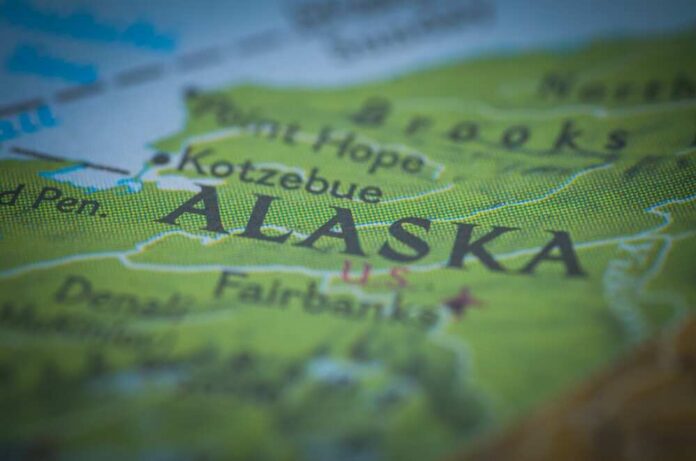
The site sits roughly 450 miles west of Anchorage, far from road access and support. The U.S. Army Corps of Engineers later confirmed that two of its employees died in the crash and that next of kin had been notified.
All eight people aboard a plane chartered by the Army Corps of Engineers were killed in a crash near a remote radar site on the western coast of Alaska.
Read more at: https://t.co/vcg2PPnNDa
— Stars and Stripes (@starsandstripes) August 23, 2026
The National Transportation Safety Board’s Alaska lead, Clint Johnson, said the crash occurred on August 20 at about 11:45 a.m. local time. Investigators opened a standard field inquiry and began gathering facts on scene and from operators.
That timeline anchored the federal response and helped shape the search and recovery window. The aircraft was operating a charter mission to the radar site, which supports national air defense surveillance in the Bering region.
The Flight, The Operator, And The Phase Of Risk
Preliminary Federal Aviation Administration information, as summarized in aviation trade reporting, identified the aircraft as a Cessna 441 Conquest operated by Security Aviation on flight SVX45. The operation fell under charter rules for on-demand flights.
The crash happened during the approach phase, one of the highest-risk segments of flight even in good weather. Several outlets reported two pilots and six passengers were aboard, a detail that matched the military death count and location reports filed that day.
Approach into Cape Newenham demands precision. The runway serves a radar station built for harsh conditions, not for comfort. Terrain and coastal weather can shift fast, and the margin for error shrinks near the ground.
Investigators will map the approach path, radio calls, aircraft configuration, and airspeed management across the final miles. That sequence will determine whether the chain of events started with the environment, the machine, the crew, or a mix of all three.
Why Alaska’s Skies Are Tougher On Charter Flights
Alaska’s aviation system carries a heavier safety burden than the rest of the country. The National Transportation Safety Board has reported that from 2008 to 2017, Alaska’s total accident rate was more than double the national rate, and the fatal accident rate was also higher.
That split reflects the state’s remote airstrips, frequent poor weather, and a heavy share of charter and air taxi flights that must go when roads cannot.
Federal safety officials have also documented the outsized share of accidents involving charter operations in Alaska over the last decade. Roundtable and docket records cite more than 200 Part 135 accidents in the state over roughly 11 years, with dozens of lives lost.
That history shows why disciplined decision-making, strict procedures, and strong oversight matter when flying people and parts to isolated work sites like Cape Newenham. This is not a niche issue; it touches defense readiness, local economies, and family safety.
What Authorities Are Doing Next
Investigators will collect wreckage evidence, maintenance logs, pilot records, weather data, and any radar or radio tapes. The focus will be simple: what failed first, and why.
The military and federal partners will coordinate recovery and site security at the radar facility, which handles sensitive missions. The U.S. Army Corps of Engineers will support families and cooperate with the safety probe. A formal cause finding will come later, after lab work and analysis.
What This Demands From Leaders And Operators
Charter flying is vital in Alaska; communities and national defense depend on it. That duty demands a safety culture that treats weather, terrain, and pressure as hard limits, not hurdles to “work around.”
If facts show gaps in equipment, procedures, or choices, leaders should fix them fast and in public. Families deserve honest answers, not spin. The people lost at Cape Newenham earned that respect.
Sources:
alaskasnewssource.com, alaskapublic.org, poa.usace.army.mil, airwaysmag.com, abcnews.com, reuters.com, nbcnews.com, youtube.com, facebook.com