
When you’re expecting a routine workday and instead find a wasp nest that’s ten times more radioactive than federal limits allow, you’re bound to have some questions—or at least a raised eyebrow.
At a Glance
- A radioactive wasp nest was found at the Savannah River Site, an old nuclear bomb facility.
- The nest’s radiation levels were 10 times higher than federal safety limits.
- Officials claim the radioactivity is from legacy contamination, not a current leak.
- Watchdog organizations are skeptical and demand further investigation.
The Discovery of the Radioactive Nest
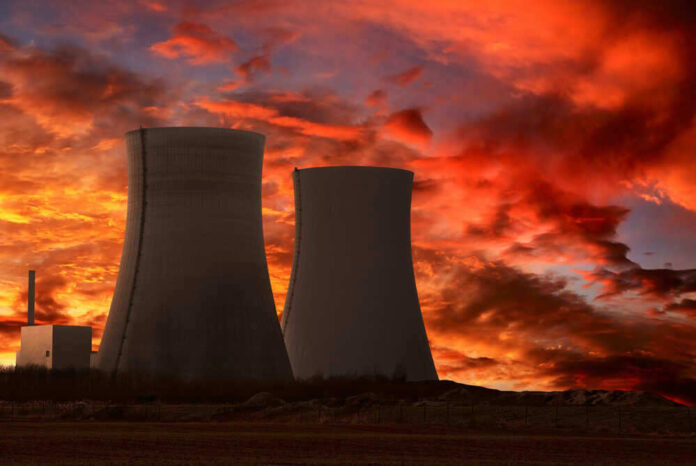
In a bizarre twist, workers at the Savannah River Site—a facility with a past life as a nuclear bomb component manufacturer—stumbled upon a wasp nest with radiation levels ten times over federal safety limits. Found during a routine radiation check on July 3, 2025, the nest was located ominously close to tanks holding liquid nuclear waste. The nest was immediately sprayed, removed, and disposed of as radioactive waste. Officials insist there’s no public danger and blame legacy contamination, but watchdogs are not so easily convinced.
Despite the official assurances, the discovery raises eyebrows and questions. How exactly does a wasp nest become radioactive? And if a nest can absorb such levels of radiation, what else might be harboring hidden dangers? While the nest itself posed no immediate threat, its presence has ignited debates on the adequacy of site monitoring and the transparency of official reports.
Legacy Contamination or Something More?
The Savannah River Site’s history as a Cold War-era nuclear weapons production facility means it has a long legacy of radioactive waste, reduced from a staggering 165 million gallons to about 34 million today. The site’s current focus is on waste management and environmental cleanup, but this unusual find spotlights the persistent challenges of legacy contamination. Officials attribute the wasp nest’s radioactivity to remnants of historical operations rather than any new leak, but watchdog groups, like Savannah River Site Watch, demand more exhaustive investigations.
Tom Clements, the group’s Executive Director, has been vocal in his skepticism, questioning the completeness of the official narrative and calling for a thorough examination of the nest and its material. Clements and others are pushing for detailed transparency, such as identifying the wasp species involved and analyzing the nest composition to trace the contamination source.
The Broader Implications
While the immediate risk appears contained, the incident raises broader questions about monitoring practices at nuclear sites. The idea that insects could potentially be vectors for radioactive material is alarming, if not outright peculiar. This event could lead to reviews of how non-traditional contamination pathways—like insects and animals—are monitored and managed. Enhanced scrutiny could mean more resources allocated to ensure comprehensive safety protocols, impacting both the economic and social landscape around such facilities.
For local communities, this incident could influence public trust in the management of the site. While officials assure safety, the skepticism from watchdog groups may resonate with residents, prompting calls for greater transparency and oversight. This incident may well serve as a case study for other legacy nuclear sites, emphasizing the need for vigilance in unexpected contamination vectors.