

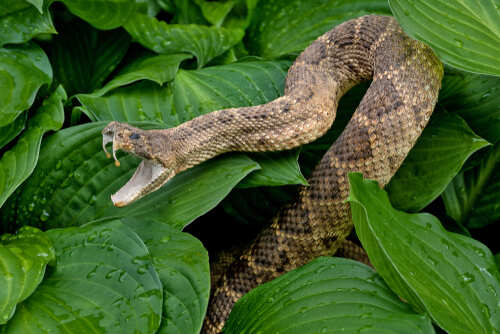
One split-second decision on a scenic Tennessee trail ended in tragedy, leaving a hiker dead and the region’s outdoor community on edge.
Story Snapshot
- A hiker died after picking up a timber rattlesnake on a popular Tennessee trail, highlighting the lethal risks of interacting with wildlife.
- The fatality was likely due to a rare allergic reaction to the venom, despite immediate emergency response.
- This uncommon tragedy has triggered intense public safety conversations and renewed scrutiny on park preparedness.
- Officials and experts urge hikers to respect wildlife and carry emergency supplies, as even managed parks pose real dangers.
One Fatal Encounter: How Curiosity Became Catastrophe on the Trail
A hiker in Tennessee’s Savage Gulf State Park encountered a timber rattlesnake, one of the state’s most dangerous, yet rarely deadly, venomous reptiles.
For reasons unknown, the hiker picked up the snake, triggering a defensive bite. In less time than it takes to tie a boot, the bite delivered potentially lethal venom.
The victim collapsed about half a mile down the trail, launching a frantic rescue effort that would grip the region and leave outdoor enthusiasts questioning their own wilderness habits.
First responders reached the stricken hiker swiftly, performing CPR and rushing the victim to the nearest hospital. Despite these efforts, the hiker died—an outcome both shocking and statistically rare.
The leading hypothesis points to an immediate, severe allergic reaction (anaphylaxis) rather than the venom’s direct effects. Timber rattlesnake bites, while serious, are seldom fatal if treated quickly.
In this case, the mix of venom and an unexpected allergic response proved catastrophic, underscoring that nature’s risks do not always follow the rules.
Timber Rattlesnakes: The Hidden Threats of Tennessee’s Wild
Timber rattlesnakes inhabit Tennessee’s forests and rocky terrain, usually avoiding humans unless threatened. Docile by reputation, these snakes rely on camouflage and warning rattles, striking only when provoked.
Annually, the U.S. records 7,000–8,000 venomous snake bites, with fatalities rarely exceeding five. Most victims survive thanks to modern medicine, but the margin for error remains thin. Increasing outdoor recreation means more encounters, yet deaths like this are so rare that every incident reverberates far beyond the immediate tragedy.
The Savage Gulf trail is well-traveled, famous for its rugged beauty and biodiversity. Park visitors, lulled by the serenity, often underestimate the risks.
Previous snakebite incidents in the region have almost always ended in recovery, not death. This case serves as a chilling reminder: even familiar terrain can turn perilous with a single misjudgment.
Emergency Response and the Ripple Effect on Public Safety
Matthew Griffith, Director of Grundy County Emergency Management Agency, became the public face of the crisis. His statement, “The family of the individual will be in our thoughts and prayers,” resonated across local news and social channels, reflecting both the gravity of the loss and the shared anxiety of the community.
Emergency crews—firefighters, EMS, park rangers—worked in concert, executing rescue protocols with precision, but fate had already intervened. The victim’s identity remains private, but the consequences are public and far-reaching.
Safety advisories now blanket Tennessee trails. Officials urge hikers: do not touch wildlife, carry first aid kits, and know the fastest route to help. Park management is reviewing safety signage, emergency equipment, and public education campaigns.
The incident may prompt broader policy changes, from mandatory safety briefings to increased ranger patrols. For now, the park’s visitors walk a little more cautiously, their sense of adventure tinged with respect—and fear—for the wild.
Lessons from the Experts: Why Common Sense Isn’t Always Common Practice
Wildlife experts and medical authorities agree on one principle: leave snakes alone. The CDC and Smithsonian’s National Zoo emphasize that most snakebites occur when humans initiate contact.
Survival odds are high with prompt care, but allergic reactions like the one suspected here defy prediction. Experts recommend hikers never handle snakes, always travel with emergency supplies, and know how to summon help.
The lessons sound basic, yet, as this case illustrates, overconfidence or momentary curiosity can override caution, with devastating results.
Public discourse now centers on education and prevention. Some advocate for stronger warnings and pre-hike safety briefings. Others stress that panic is unnecessary—fatal snakebites remain exceptionally rare—but awareness and preparedness are essential.
The consensus is clear: wilderness is not a theme park, and the best defense is a blend of knowledge, humility, and respect for nature’s boundaries.