
Federal agents stopped a Los Angeles-bound traveler at the jetway and say she was on a spy mission.
Story Snapshot
- FBI agents arrested Wanying “Heather” Zhang at Los Angeles International Airport on a foreign-agent charge.
- A federal complaint alleges she surveilled a close relative of a top Taiwanese official in Seattle.
- Reporters say the target was the son of Taiwan’s president, and images and license plates were sent to China.
- The case fits a wider push to charge undisclosed agents when conduct looks like espionage.
Arrest at the Gate and the Charge That Followed
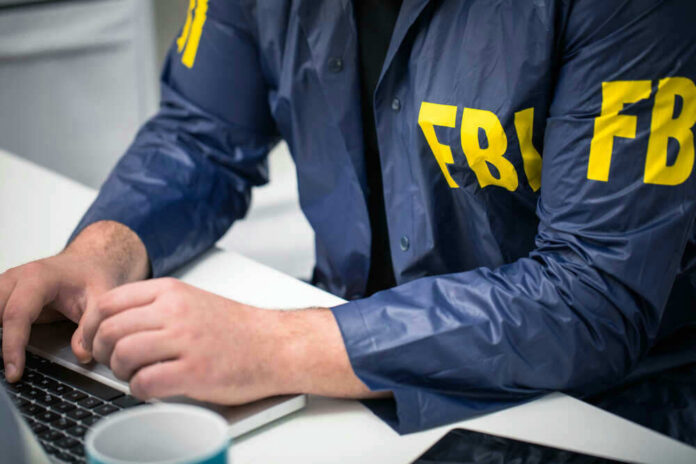
Federal Bureau of Investigation (FBI) agents handcuffed Wanying “Heather” Zhang at Los Angeles International Airport as she prepared to board a flight to Shanghai. Prosecutors charged her with acting as an unregistered agent of a foreign government. CBS News reported the arrest happened Sunday and described a directed surveillance plot tied to Chinese officials. The criminal complaint frames the case as undisclosed work for a foreign state, an offense that often carries real prison time when proven.
Prosecutors did not charge classic espionage statutes, but law enforcement described the conduct as espionage-like activity. Local television reports quoted the FBI as saying she engaged in espionage tasks on behalf of the Chinese government. That framing signals how the government views the risk. Federal agents tend to reserve these words for cases they see as state-directed, even when the legal hook is the foreign-agent statute rather than a secrets theft count.
Seattle Surveillance Trip and The Alleged Tradecraft
An FBI agent’s sworn affidavit states Zhang, along with another person, traveled to Seattle to watch and record a close relative of a senior Taiwanese official. The affidavit says they parked a rented sport-utility vehicle outside a residence and filmed arrivals, snapping photos, collecting video, and logging license plates. Multiple outlets reported that the materials were sent back to contacts in China, matching patterns of clandestine surveillance used to map routines and security gaps.
Law enforcement sources told CBS News the target was Ting-Yu Lai, the son of Taiwan’s President Ching-Te Lai. The federal complaint did not name the person, but reporters cited those sources to detail who was under watch. ABC News said Zhang transmitted photos, videos, and license-plate information to officials in Beijing. That level of detail, if accurate, would support the claim of direction by a foreign principal and move this beyond casual curiosity into tasked collection.
Why This Case Matters to U.S. Counterintelligence
This arrest tracks a broader trend in which the Department of Justice brings charges for acting as an undisclosed foreign agent when the facts look like modern espionage. Policy guidance in recent years has urged prosecutors to use these tools when conduct mirrors spying by foreign government actors. That is why many cases use the foreign-agent framework, yet get discussed as spying in public coverage and by investigators. The mismatch between statute labels and public language is common, but the national security stakes are the same.
Targeting a relative of Taiwan’s president inside the United States crosses a bright line. America cannot allow foreign services to run surveillance operations on U.S. soil against people tied to a democratic partner. Conservatives and many independents will see this as basic sovereignty and common sense. A nation that shrugs at foreign tasking inside our neighborhoods invites more of it. Deterrence starts with quick arrests, tight charges, and visible courtroom accountability.
The Evidence Trail the Government Hints At
Reporters describe a familiar evidence stack in cases like this: travel records to Seattle, a rental car near the residence, digital media with timestamps, and messages about tasking and delivery. ABC outlets and the Washington Post note that photos, videos, and plate data were shared with Chinese contacts, which suggests recoverable communications and device traces when agents seized phones or cloud accounts. One strong witness can be the unnamed companion, whose testimony or cooperation could firm up the chain of direction.
FEDS ARREST ALLEGED CHINESE FOREIGN AGENT AT LAX
First Assistant U.S. Attorney Bill Essayli says Wanying “Heather” Zhang was arrested while attempting to leave for China—accused of surveilling a Taiwanese official’s relative at the direction of PRC officials. https://t.co/DVGbW0iArQ
— Real America's Voice (RAV) (@RealAmVoice) October 4, 2026
Taiwan’s government condemned the alleged targeting after the arrest reports surfaced. That reaction underscores the diplomatic stakes, especially with tensions over Taiwan already high. If the court record confirms that a Chinese service mapped a presidential family member’s routines in an American city, expect firm responses: more counterintelligence resources, closer watch on travel tied to sensitive events, and tougher screening for influence operations that hide behind student, business, or real estate covers.
Sources:
cbsnews.com, abc11.com, abc7.com, abcnews.com, focustaiwan.tw, wpde.com