
A single packaging slip can turn “dinner in 10 minutes” into an ambulance-level emergency for the wrong person.
Quick Take
- Costco pulled Giovanni Rana “Rustic Beef Sauce & Creamy Burrata Cheese” ravioli in Maryland and New Jersey after reports it may contain shrimp and lobster sauce.
- Two consumer complaints triggered the alert; no confirmed adverse reactions have been reported so far.
- Shoppers should check for establishment number 44870 and best-by dates ranging from May 14 to June 25, 2026.
- The risk isn’t “spoiled food”; the risk is an undeclared shellfish allergen hiding behind a beef label.
The Recall That Hides in Your Freezer Until Summer
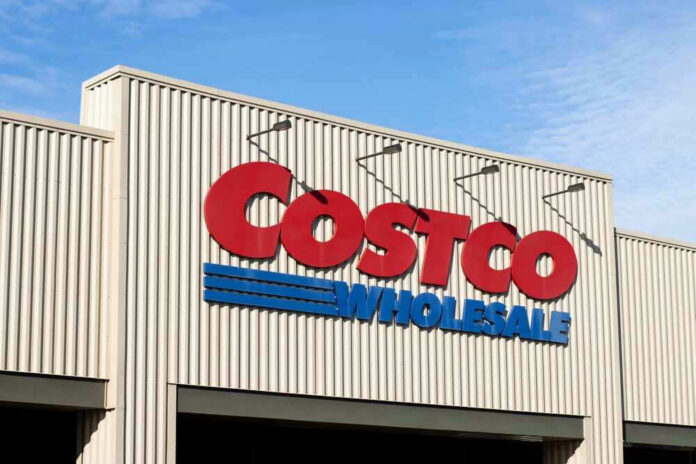
Costco’s recall involves a very specific product with a very unsettling twist: Giovanni Rana “Rustic Beef Sauce & Creamy Burrata Cheese” ravioli sold only in Maryland and New Jersey may contain shrimp and lobster sauce that never appears on the label.
That matters because shellfish allergies don’t negotiate. The packages are large, meant for family meals, and stamped with best-by dates that stretch into late June 2026.
Costco recalls popular product in 2 states over potential ingredient mix-up https://t.co/iUQu0nExof
— FOX Business (@FoxBusiness) May 6, 2026
Two complaints kicked off the entire chain of events, which should sober anyone who assumes “some inspector would catch it.” Real life often works in reverse.
A shopper opens a bag, sees a filling or sauce that doesn’t match expectations, and only then does the system light up. The manufacturer, Rana Meal Solutions, reported the issue and authorities issued a public recall notice so the product could be removed from store shelves.
Why “Undeclared Shellfish” Is Not a Minor Labeling Error
Food recalls come in flavors, and this one isn’t about taste. It’s about disclosure. Shellfish sits high on the list of allergens that can trigger rapid, severe reactions, especially in adults.
People who live with these allergies build routines around labels: they read them, trust them, and buy accordingly. When the label says beef and burrata but the product may contain shrimp and lobster, the consumer loses the only practical defense they have.
That’s why agencies treat undeclared allergens as a real hazard even when the product is otherwise “safe” to eat. Plenty of shoppers could cook the ravioli, enjoy it, and never know anything went wrong.
The danger concentrates in a smaller group, which makes it easy for the rest of the public to shrug. Common sense says the standard must protect the vulnerable, because they can’t spot the risk by sight or smell.
What Likely Happened on the Line, and Why Bulk Retail Magnifies It
Most of these incidents come down to boring mechanics: a mix-up between product components, an error during packaging, or a labeling roll applied to the wrong run.
The ravioli carries an establishment number tied to the producing facility, a breadcrumb that helps regulators and retailers narrow the scope. The limited geography also hints at a distribution slice rather than a nationwide problem, which is good news but not a free pass.
Costco’s warehouse model adds a hidden complication. A 32-ounce package isn’t a one-night impulse buy; it’s the kind of item people stash for “later.” Later can mean next week, or next month, or when the grandkids are over and you need something easy.
That long best-by window turns a recall into a scavenger hunt through chest freezers, garage freezers, and the back of the fridge where good intentions go to die.
The Practical Angle: Labels Are the Deal
Food labeling is one of those rare areas where regulation matches instincts: transparency, accountability, and informed choice. People should not need a chemistry lab to eat dinner safely.
If a company sells a beef-and-burrata ravioli, that is the deal it makes with the customer. Breaking that deal—whether through sloppiness or a process failure—forces families to carry the risk and cost of someone else’s mistake.
No confirmed injuries have been reported, which matters. It also doesn’t erase the seriousness. The responsible posture here is simple: treat it like a live wire until proven otherwise.
If you bought it in Maryland or New Jersey, check the label details, confirm the establishment number and best-by dates, and return it or discard it. “I’m probably fine” is not a plan when allergens are involved.
How to Act in Five Minutes and Avoid the Panic Spiral
Start with the boring specifics, because specifics are what keep people out of trouble. Look for Giovanni Rana “Rustic Beef Sauce & Creamy Burrata Cheese” ravioli in a 32-ounce package, and match the establishment number 44870 plus the best-by range from May 14 through June 25, 2026. If it matches, do not taste-test it to “see.” Return it to Costco or throw it away.
Households with shellfish allergies should treat cross-contact surfaces seriously if the product was opened or cooked. Clean cookware, utensils, counters, and any container that stored leftovers.
That’s not paranoia; that’s what adults do to keep the kitchen safe for everyone who eats there. The broader lesson is uncomfortable: the more “convenient” the food supply becomes, the more essential it is that labeling stays honest and precise.
Trust can survive a recall when companies move fast and tell the truth. Two consumer complaints, a notification to authorities, and product removal show a system that can work—after a mistake.
Shoppers should still take away the real warning: your freezer can outlast the news cycle. If you live in the affected states, check tonight, not “sometime this weekend,” because the only thing worse than a surprise allergen is discovering it mid-bite.
Sources:
Costco recalls popular product in 2 states over potential ingredient mix-up