
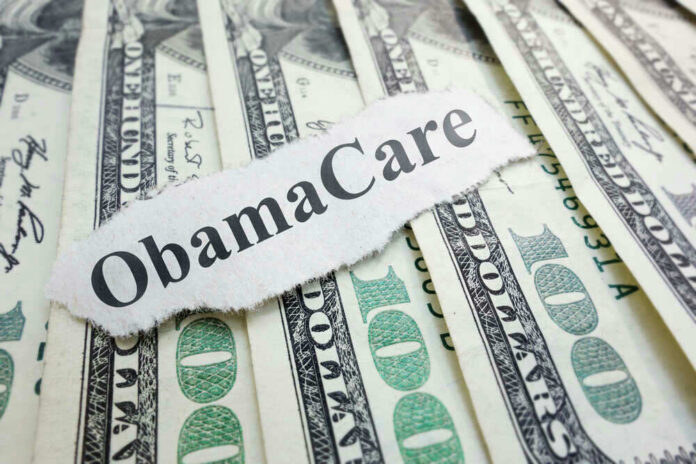
The federal government will mail $500 “Obamacare refund” checks to nearly one million people starting in October 2026.
Story Snapshot
- The White House says checks go to eligible Affordable Care Act enrollees in 30 states.
- Payments are framed as refunds for marketplace overcharges from past years.
- Treasury will mail checks directly; no application is required per coverage.
- Recipients are mainly people who did not receive premium subsidies.
What Is Happening And When Checks Arrive
The White House announced that almost one million Americans will receive a $500 refund, with checks beginning in October 2026.
The administration describes the money as a refund tied to costs on the federal Affordable Care Act marketplace, also known as HealthCare.gov.
Major outlets report that the Treasury Department will mail the checks directly to households. The plan covers 30 states that use the federally run marketplace. Officials say this program is separate from other cash promises.
Coverage says recipients do not need to apply. Treasury will use existing enrollment and address data to send the checks.
The White House frames the refunds as returning money collected through the marketplace that went beyond what was needed to run it.
While the announcement is broad, the reporting does not detail operational steps like address updates or how returned mail is handled. People should watch their mail and confirm their current address with their insurer and the marketplace.
Who Qualifies And Why These 30 States
Reports identify the eligible group as Affordable Care Act enrollees in the 30 states that rely on the federal marketplace.
The administration and news outlets state that the refunds focus on people who did not receive premium subsidies.
That includes many who earn above four times the federal poverty level and some within the subsidy range who did not take assistance.
The 30-state design reflects where HealthCare.gov, not a state exchange, processes plans and collects the related fees.
This focus creates a clear target: unsubsidized buyers who saw premium costs without offsets. For years, user fees on insurers have funded HealthCare.gov operations, and reporting says insurers often build that cost into premiums.
The White House says these fees ran higher than needed, creating a surplus it can now refund to consumers.
Where The $500 Comes From And How It Fits Policy
The administration links the checks to “surplus” collections from marketplace fees. Outlets describe these as charges paid by insurers, often reflected in premiums consumers pay.
The White House fact sheet ties the refund to those surplus funds and sets the per-person amount at $500.
Reporters also note that officials say these refunds are not the same as the separate $5,000 “dividend” idea President Trump has discussed elsewhere. That avoids mixing this policy action with campaign concepts.
Policy veterans will see a familiar pattern here. HealthCare.gov financing runs through technical user fees on insurers, which flow through to premiums that families actually pay. The statutory ledger looks like “insurer fees,” but the kitchen-table reality is “higher premiums.”
When collections beat costs, taxpayers and consumers should not foot the bill for float. A direct refund to the people who bore those costs matches conservative goals of fairness, transparency, and smaller, cleaner government.
What To Expect Next And How To Prepare
Households in the federally run marketplace states should expect either a Treasury check or a letter that explains timing and details. Coverage says letters signed by President Trump will accompany the rollout to more than 950,000 Americans.
People who did not receive premium subsidies are the main recipients, so families who bought coverage without tax credits should watch for mail starting in October. Keep records, verify your address with your insurer, and watch your bank accounts if you use mobile deposit.
A rare sentence in Washington: the check’s in the mail. 😂💸
The Trump administration says nearly 1 million eligible Americans in 30 states will receive $500 ACA exchange refunds, with checks beginning in October. 🇺🇸 pic.twitter.com/klesDIlEx0
— Chad Ledger (@TheChadLedger) September 24, 2026
For families squeezed by rising premiums and deductibles, $500 is not a cure-all. It is a straight refund tied to prior marketplace financing, and it arrives without an application burden. That matters.
Government often finds it easy to collect and slow to return. This action flips that script and puts money back in the hands of people who paid in. If surplus collections emerge again, the same logic should apply: settle up and send it back.
Sources:
whitehouse.gov, reuters.com, usatoday.com, apnews.com, abcnews.com, bbc.com, cnbc.com, cnn.com