
Officials who once vowed to stream Nidal Hasan’s execution now appear to be backing away, and the whiplash tells you everything about power, law, and public will.
At a Glance
- Pentagon officials said the execution would be livestreamed, with a set date and place.
- Senior leaders signaled approval, then hedged as legal and political risks surfaced.
- Republican and Democratic critics warned of propaganda, spectacle, and moral costs.
- Legal experts flagged witness limits and possible constitutional issues with a public broadcast.
What Was Promised, Then Questioned
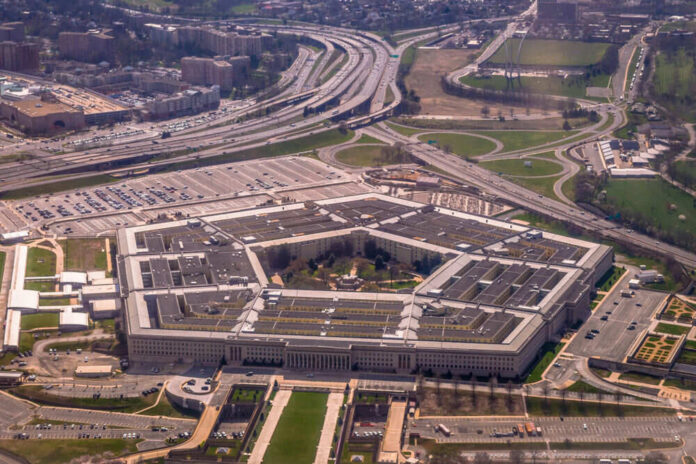
Defense officials told major outlets the Army would stream Hasan’s firing-squad execution. Reports named the date, time, and location: December 3, 1 p.m. Central Time, at Fort Hood, where Hasan murdered 13 and wounded 32 in 2009. Defense Secretary Pete Hegseth said the public could watch and framed it as deterrence. President Trump said he approved the plan. The clear message was: mark your calendar; the public can see justice done.
Then, caution seeped in. Vice President JD Vance said he did not know if the livestream would happen and added he would not watch it. Reporters described advisers urging restraint. Some coverage noted the Pentagon had confirmed intent but not a platform or rules for viewing. The vow to stream looked bold on television. The fine print—how and under what authority—looked thin in the light of day.
The Schedule Was Real; The System Was Not
Acting Army Secretary Adam Telle’s order set the execution at Fort Hood on a public timeline. That specificity matters. It tied the promise to an event, not a think piece. Yet the distribution plan was missing. No platform, no policy, no public technical design. That gap became the lever for doubt. You can declare transparency. You still need a legal door, a cable, and a host willing to carry it to millions, or the promise collapses into talk.
Legal analysis from Georgetown pointed to a more stubborn hurdle: the Army’s own rules. The regulation limits who can witness an execution. A mass online audience likely conflicts with that plain text without an explicit waiver. The paper also flagged potential claims under the Eighth Amendment and Article 55 of the Uniform Code of Military Justice. Even if courts would allow the method, a broadcast adds a layer that lawyers would challenge.
Deterrence, Dignity, And The Propaganda Trap
Supporters of a stream argue that evil should not hide. They claim seeing consequences deters the next attacker. The research record, however, does not give a clean yes. National Academy reviews found studies on capital punishment and homicide rates were not conclusive either way. Announcing a deterrent does not make it so. That does not mean harsh justice fails; it means bold claims need facts, not vibes.
Opposition grew fast and crossed party lines. Republican Senator Thom Tillis called livestreaming “beyond disgusting.” Representative Austin Scott said it looked like what jihadists do. Senator Jack Reed warned it would hand recruiters a gift. The United Nations human-rights office said it would be akin to a public execution that breaches the ban on torture. The European Union warned platforms not to carry it.
Conservative Case For Restraint Without Retreat
American conservative values prize justice, order, and moral clarity. Hasan earned the sentence under law. But prudence also matters. A livestream risks turning justice into a show and making a killer a symbol for enemies. It risks teaching nothing and inflaming much. Limited-witness rules exist for a reason: the state punishes; it does not perform. That line kept our system stable as technology raced ahead.
A smart path threads the needle. Keep the date and method lawful and firm. Protect victims’ families and survivors with access that honors their stake, not internet crowds. Release a detailed after-action record: timelines, procedures, and oversight. Reject spectacle while refusing secrecy. That balance shows strength with discipline, not anger with a camera. If officials are now leaning away from a stream, that is not backpedaling; it is course correction toward sober justice.
What To Watch Next
Three signals will tell the story. First, a formal legal memo or waiver either authorizing or rejecting a public broadcast. Second, a platform agreement or a clear statement that no platform will host it. Third, a final on-the-record decision from the Pentagon and the White House. Until those appear, expect more noise than substance. The schedule locked in urgency. The law and logistics now decide whether the screen stays dark.
Sources:
cbsnews.com, bbc.com, apnews.com, npr.org, abcnews.com, militarytimes.com, nationalsecurity.law.georgetown.edu, nbcdfw.com, france24.com, reuters.com, nbcnews.com, bbc.co.uk