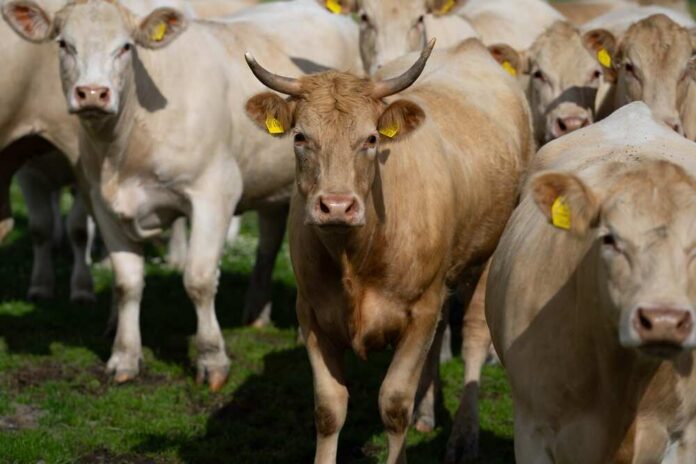
America’s cattle herd has fallen so low that Tyson is shutting plants, and steak-night relief may be years away.
Story Snapshot
- Tyson will close beef plants in Illinois and Utah and seek a sale in Washington, citing a historic cattle shortage.
- The company is consolidating around three central U.S. facilities to match lower cattle supplies.
- Cattle numbers sit near a 75-year low, pressuring packer margins and raising beef prices.
- Executives warn supply constraints and lean heifer retention point to a slow recovery.
Tyson Reshapes Its Beef Network To Match Scarce Cattle
Tyson Foods said it will end operations at its Joslin, Illinois beef plant and its Eagle Mountain, Utah case-ready facility, and pursue the sale of its Pasco, Washington plant. The company framed the move as a hard reset to align capacity with one of the most historic cattle shortages on record.
Management will anchor beef operations around facilities in Dakota City, Nebraska; Holcomb, Kansas; and Amarillo, Texas, where cattle flows remain steadier and logistics are stronger.
Company leaders linked the decision to United States Department of Agriculture data that show limited heifer retention and tight feeder supplies. That pattern signals slower herd rebuilding and persistent supply strain.
Tyson’s statement called the shortage “historic,” and its footprint shift aims to lower fixed costs and improve plant use. The locations they chose sit nearer to cattle in the Plains, cutting deadhead miles and reducing the number of half-full kill floors that drain cash when herds shrink.
What The Cattle Cycle Means For Your Grocery Bill
The cattle industry runs in long cycles. Drought and high feed costs push ranchers to cull herds. Later, better pasture and prices spur rebuilding, but calves take time to grow. Today’s tight supplies reflect years of dry conditions that burned grazing land across the West.
The result is fewer cattle entering feedlots, higher livestock costs for packers, and leaner margins. Retail beef prices tend to rise when packers chase scarce cattle and pass some of those costs forward.
Tyson’s numbers show the squeeze. The beef segment posted an operating loss of $138 million in a recent quarter, with volume down nearly 16 percent while pricing rose about 12 percent.
The company cut its profit outlook and warned that tight supplies would likely extend into 2026 and 2027. That mix—lower throughput, rising cattle costs, and cautious consumer demand—makes underused plants a liability rather than an asset.
Closures Are Painful Locally But Typical For This Phase
Meatpackers often shrink capacity when the herd contracts. The sector has seen other closures and cuts to shifts in the past year for the same reason. Tyson previously closed a large Nebraska plant and trimmed shifts in Texas to improve use of remaining capacity.
Industry economists describe this as a standard response: reduce fixed costs, move work to better-located plants, and wait for the herd to rebuild. It is not pretty for host towns, but it fits the math of a cyclical business.
Communities that host plants face job losses and smaller local tax bases. Nearby producers can also lose a bidder at the weekly cattle market. That risk worries ranchers because fewer local buyers can mean a wider basis and higher freight costs.
Still, when plants run far below capacity, companies either consolidate or bleed red ink. Tyson chose consolidation and shifted its bets to the central corridor where cattle numbers and trucking lanes offer scale advantages.
How Long Until The Beef Case Feels Normal Again?
Herd rebuilding takes time. Ranchers need strong pasture and steady prices to hold back heifers for breeding. That choice reduces near-term slaughter but builds tomorrow’s supply. Tyson flagged limited heifer retention as a warning that recovery may be slow.
Even when retention rises, calves take many months to reach finished weight. That is why executives and analysts caution that tight supplies and the price pressure they bring could linger for more than a year.
Tyson Foods Restructures Beef Operations Amid Historic Cattle Shortage
Tyson Foods, the largest U.S. meatpacker, announced on August 13, 2026, that it will close two beef facilities and pursue the sale of a third as it scales back its processing footprint in response to one of…
— JimWooddell 🦌🥩 (@wooddell_jim) August 16, 2026
Consumers have options while the cycle grinds forward. Buying value cuts, watching for promotions, and swapping to pork or chicken can trim the grocery bill. For ranch country and plant towns, the path back runs through rain, pasture recovery, and patient herd growth. For packers, discipline matters: keep plants full, keep costs down, and be ready to add shifts only when cattle numbers justify it.
Sources:
foxbusiness.com, tysonfoods.com, usatoday.com, finance.yahoo.com, fool.com, axios.com, investing.com, reuters.com