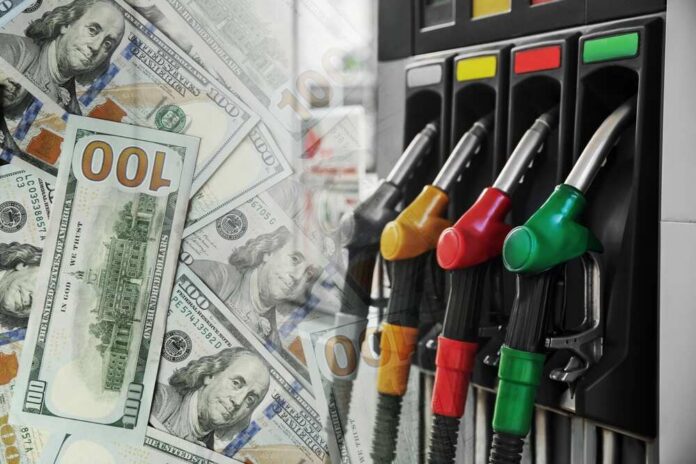
Gas at $4 is back, and America’s mood slipped with it.
Story Snapshot
- National average gasoline prices crossed $4 per gallon, twice in 2026.
- Consumer confidence dropped to a seven-month low as prices stayed high.
- Escalating conflict tightened flows through the Strait of Hormuz, lifting oil costs.
- Retail gas is the most visible price in America, so it hits sentiment fast.
Gasoline Crosses $4, A Price Americans Feel Fast
American Automobile Association data showed the national average price for regular gasoline rose above $4 per gallon at the end of March, the first time in more than three years, and then crossed that threshold again in July.
The Associated Press noted the national average sat just above $4 as coverage spread, while some states paid far more and others less because of taxes and supply paths. Retail gasoline is not a niche item. Every driver sees the number in foot-tall digits.
US consumer confidence fell in August to the worst since the start of the year as the Conference Board’s gauge of confidence decreased 0.8 points to 89.4 after a downward revision to the prior month.
Michael McKee breaks down the data https://t.co/UIpvGyizTu pic.twitter.com/1jJgBHsXLs
— Bloomberg TV (@BloombergTV) August 25, 2026
Reporters tied the first jump to fighting that risked the Strait of Hormuz, a route that carries a large share of the world’s oil. Disruption fears raised crude prices and filtered into the pump quickly, with analysts describing a direct pass-through from oil to gasoline costs.
That chain is familiar: when the globe’s oil moves slower or looks less secure, futures rise, wholesalers pay more, and drivers feel it within days.
Consumer Confidence Slips As Fill-Ups Get Pricier
The Conference Board’s consumer confidence index fell to a seven-month low as Americans faced higher fuel costs, according to reporting that framed gas “stuck above $4” as the backdrop. The pattern matches past episodes where expensive gasoline weighed on sentiment.
Academic work finds retail gas prices, not just crude oil, connect most tightly to household confidence because families buy gas often and see the price every trip. When pump prices jump, people expect tighter budgets and pull back on extras.
Research also shows beliefs about future gas prices lean on what people just saw at the station. When today’s price spikes, many assume tomorrow’s will not fall soon, which feeds caution in bigger purchases and travel plans.
That does not prove gas alone drove the confidence drop. It does show why a visible $4 handle can matter more to Main Street than a complex inflation chart.
War Risk, Supply Paths, And The $1 Jump
Coverage documented a sharp, fast climb in prices from late February into spring as the United States and Israel struck Iran. Reported averages rose by about a dollar per gallon from the start of hostilities, reflecting the added risk premium in oil and strain on refining and transport systems.
Later, renewed fighting pushed the national average across $4 again in July. These were not small blips. Drivers noticed, and the repeat crossing kept price anxiety alive well into summer.
Reporters cited the mechanics behind the moves. More expensive crude feeds a near-linear rise in retail gas because refineries and stations pass along costs to stay afloat. Shipping through the Strait of Hormuz under threat means fewer barrels moving freely, higher insurance, and delayed cargoes.
Those frictions show up at the pump in a matter of weeks, not months. That timing matches how quickly consumer confidence can shift when a household’s weekly fill-ups jump by $10 to $20.
What This Means For Households And Policy
Households juggle fuel costs the same way they handle rent or groceries. When gas crosses $4, many families trim meals out, skip a trip, or delay a repair. That stress shows up in confidence data before it shows up in quarterly growth.
Policymakers can ease pressure with steady refinery operations, clear rules on summer blends, and fast approvals for supply bottlenecks stateside. Markets also respond to clear security signals that reduce risk premia tied to global chokepoints.
Some regions still pay below the national average, while others pay well above it because of taxes, regulations, and distance to refineries. The national number is a blunt tool, but it shapes the story everyone sees on their commute.
The link between high gasoline and lower confidence is not new. It is a repeatable lesson: visible prices drive feelings about the economy. When the sign says $3 and change, people breathe. When it reads $4 and rising, they brace.
Sources:
forbes.com, reuters.com, cnbc.com, apnews.com, bushcenter.org