

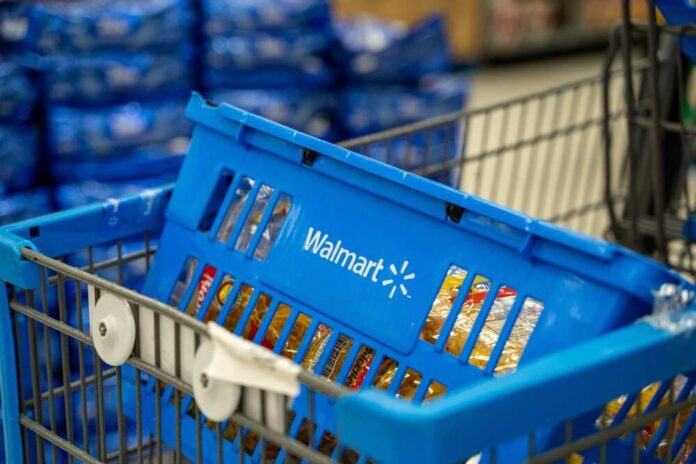
Walmart drew a hard line: it says digital shelf labels will never charge you a different price than the person next to you.
Story Snapshot
- Walmart says prices are the same for everyone in the same store at the same time.
- The company says digital shelf labels do not track people or collect personal data.
- Leaders say employees review price changes and do not change prices by shopper identity or time of day.
- The pledge also covers Walmart’s artificial intelligence assistant and customer-shared info.
Walmart’s Promise: Same Price For Everyone
Walmart’s chief executive said the retailer will not use income, shopping history, or any personal detail to set a higher price for any shopper. He wrote that prices will not change based on who you are or the time of day.
The pledge arrives as the company expands digital shelf labels across stores. The message is simple: price the product, not the person. Major outlets reported the promise and tied it to the rollout timeline.
Walmart’s corporate page backs up the statement with clear product claims. It says all customers see the same price. It also says the labels are closed displays with no cameras, microphones, or face scanning.
The company states the labels do not track people or collect personal data. It adds that any data Walmart collects through other systems stays separate from the shelf label technology and its price displays.
How The Digital Labels Work In Practice
The retailer says staff approve price changes, often outside shopping hours. That means a person checks updates before they hit the shelf. Walmart says it does not adjust shelf prices by demand spikes, the time you shop, or your profile.
The company frames labels as a way to cut labor, reduce paper, and show clear prices fast. Reporting reflects those guardrails and ties them to the company’s everyday low price strategy, not to surge tactics.
Walmart’s CEO denied rumors that the company uses digital shelf labels or AI to implement dynamic, personalized surge pricing.
More here: https://t.co/C6Zn3hxCdR pic.twitter.com/fJshomwlD3
— KHON2 News (@KHONnews) September 27, 2026
The pledge also reaches beyond the shelf hardware. Walmart says it will not use what you share with its artificial intelligence assistant to raise your price or hide cheaper options that fit your needs.
Reporting cites this extension as a direct response to fears that chat tools could nudge shoppers into higher-priced items. That detail locks the promise to a broader data boundary across the retailer’s customer tools and apps.
What This Is — And What It Is Not
Digital shelf labels can still change prices faster than paper tags. That is the point: efficiency and fewer errors. Walmart’s stance draws a bright line between faster updates and personalized pricing. The company denies any link between a person’s identity and the price shown on the shelf.
It also denies that labels use sensors that could identify shoppers. That distinction matters because most shoppers accept fair, posted prices but reject hidden, person-based price shifts.
Our position is simple: We price the product, not the person. https://t.co/ofikJEhHEW
— Walmart News (@WalmartNews) September 25, 2026
The policy lands while the Federal Trade Commission weighs rules on personalized pricing disclosure. The agency has warned that using personal data to set individualized prices without clear notice can be deceptive. That backdrop explains Walmart’s direct language. A retailer that says one price per item for every shopper in the store steps around the legal risk tied to secret, person-based prices.
Equal posted prices treat people the same and keep the market honest. Families can plan a budget if the shelf price is the price for all. That protects trust built over years of everyday low price claims.
Walmart also puts human approval between the back-end system and the shelf. That check values accountability over an opaque algorithm. In a time of rising costs, clarity beats clever. Consumers win when price signals are simple, even as behind-the-scenes tools get faster.
One Clear Takeaway For Shoppers
Expect faster updates and fewer paper tags. Expect the same price as the person beside you. If you use Walmart’s artificial intelligence helper, the company says it will not use your chat to steer you into higher prices.
Watch the shelf, compare as always, and hold the company to its word. The promise is on the record and specific. That is how a big retailer should talk about price: clear, firm, and the same for everyone.
Sources:
abcnews.com, corporate.walmart.com, businessinsider.com