
President Trump refuses to rule out deploying U.S. ground forces into Iran as a massive military campaign enters its critical third day, marking a potential turning point in America’s decades-long struggle against the world’s leading state sponsor of terrorism.
Story Snapshot
- Trump keeps ground troop option open as Operation Epic Fury targets Iranian nuclear sites and terror networks across 131 cities
- Six U.S. service members confirmed dead while Iranian Red Crescent reports 555 casualties amid widening regional conflict
- President vows campaign will last “four weeks or less” until objectives achieved, emphasizing “peace through strength” doctrine
- Coalition operation with Israel and Gulf allies aims to eliminate nuclear threat after 47 years of Iranian aggression and failed diplomacy
Trump Declares All Options on Table
President Trump stated unequivocally on March 2, 2026, that ground troops remain under consideration “if necessary” to achieve mission objectives in Iran. The commander-in-chief told reporters the U.S.-led coalition operation would continue until all goals are met, potentially requiring up to four weeks.
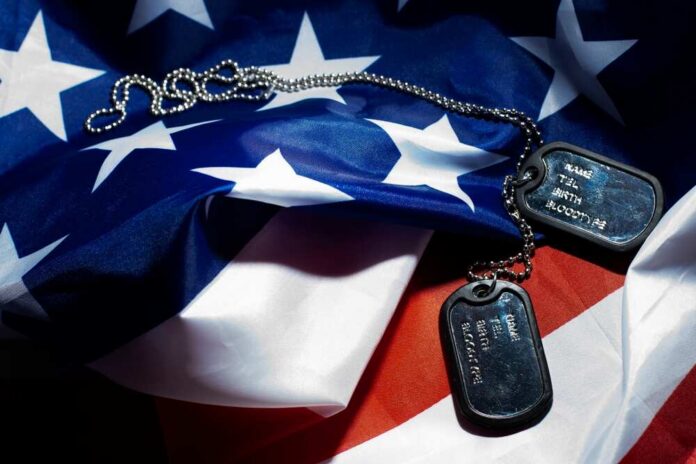
Four American military deaths have been confirmed, yet Trump emphasized the campaign progresses “way ahead of schedule.” This marks a stark departure from the endless wars conservatives despised under previous administrations—this is decisive action with clear objectives against a regime that has terrorized the region since 1979.
Trump won't rule out sending US troops into Iran 'if necessary'- tells The Post 'I don't care about polling' https://t.co/00lrdCjdIQ pic.twitter.com/tTyiXVQHSo
— New York Post (@nypost) March 2, 2026
Operation Epic Fury Targets Decades of Threats
Launched on February 28, 2026, Operation Epic Fury represents the most comprehensive military action against Iran’s nuclear ambitions and terror apparatus in history. U.S. forces, alongside Israeli and Gulf state partners, are striking nuclear facilities, ballistic missile sites, and proxy networks including Hezbollah and Iraqi militias across Iranian territory.
The White House cited 47 years of Iranian aggression, including recent attacks on American troops and allies, as justification after four weeks of rejected diplomatic overtures. Iran advanced uranium enrichment to 972 pounds at 60 percent purity despite previous U.S. strikes in June 2025, demonstrating the regime’s determination to acquire nuclear weapons capability.
🚨Update: President Trump won't rule out sending US troops into Iran 'if necessary'- tells The Post “I don't care about polling!” pic.twitter.com/wioEZxMdYi
— US Homeland Security News (@defense_civil25) March 2, 2026
Regional Conflict Expands Amid Iranian Retaliation
The conflict widened significantly as Iranian proxies launched retaliatory strikes across the Middle East. An Iraqi militia drone targeted Baghdad’s U.S. airport, while Iranian drones struck a Saudi Aramco refinery at Ras Tanura, forcing its closure and threatening global oil markets.
Iranian attacks also reached Cyprus and U.K. military bases, prompting France to bolster Mediterranean naval forces. Israel intensified operations against Hezbollah in Lebanon as part of the coordinated effort to degrade Iran’s terror networks.
This escalation validates conservative warnings about Iran’s regional threat—a menace that could only be confronted through overwhelming force, not empty diplomatic gestures.
Nuclear Safety Concerns Emerge
International Atomic Energy Agency Director Rafael Grossi expressed grave concerns about radiological risks from strikes near Iranian nuclear facilities. The IAEA reported losing contact with Iranian nuclear regulators, raising fears of potential radiation releases affecting civilian populations.
Despite previous U.S. bombings that “obliterated” key sites, Grossi confirmed most enriched uranium stockpiles persist, underscoring Iran’s distributed nuclear infrastructure.
The Iranian Red Crescent reported 555 deaths, though the breakdown between military and civilian casualties remains unclear. These risks highlight the danger of allowing rogue regimes to develop weapons of mass destruction—a threat that demanded action before Iran achieved full nuclear capability.
Conservative Support Rallies Behind Decisive Action
Heritage Foundation Vice President Victoria Coates praised Trump’s meticulous preparation, describing Iran as now “defenseless” against coalition forces. U.S. lawmakers, including Representative Andy Barr, backed the operation as essential for American security and a potential opportunity for regime change by the oppressed Iranian people.
Albanian Prime Minister Edi Rama endorsed treating Iran’s Islamic Revolutionary Guard Corps as the terrorist organization it is, supporting U.S. and Israeli efforts. This represents the “peace through strength” approach conservatives have long advocated—confronting evil with American military superiority rather than appeasing tyrants with sanctions and empty threats that embolden our enemies and endanger our troops.
Trump won’t rule out sending US troops into Iran ‘if necessary’— tells The Post war is progressing 'way ahead of schedule' https://t.co/N7k5DKgQVd
— Ken Ferris (@FerrisKen) March 2, 2026
The operation underscores the fundamental difference between Trump’s decisive leadership and years of failed policies that allowed Iran to build its nuclear program while funding terrorism across the Middle East. Americans understand that protecting our homeland sometimes requires difficult decisions and calculated risks.
With clear objectives and overwhelming force, this administration demonstrates that U.S. strength, not weakness, ultimately preserves peace and protects our constitutional values from foreign threats determined to destroy them.
Sources:
Iran-U.S. War Day 3: American Deaths, Israel, Gulf Allies Hit Missile Strikes