

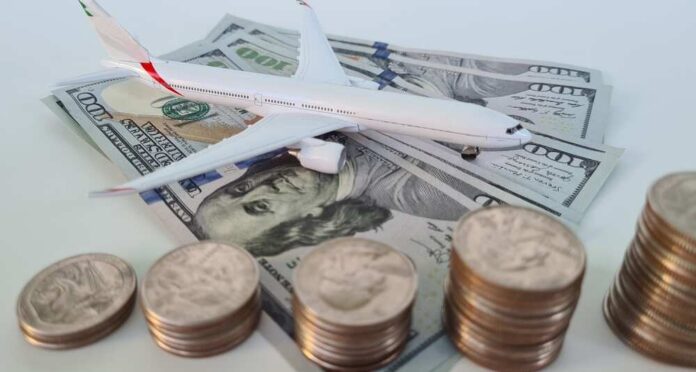
Holiday airfares climbed to their highest in a decade as jet fuel costs spiked and airlines trimmed flights.
At a Glance
- Jet fuel hit record U.S. prices in the fall, squeezing airline budgets.
- Hopper forecast the priciest holiday air travel in at least 10 years.
- AAA-linked data showed Thanksgiving fares near $800, up about 17% year over year.
- Airlines cut some flights and raised bag fees to offset fuel costs.
Fuel Shock Meets Peak Travel Season
Airlines faced a cost punch just as families booked holiday trips. The Argus U.S. Jet Fuel Index climbed above $4.80 per gallon twice in 2026, including a late-October rebound near $4.90, after an April spike. The industry group Airlines for America said October jet fuel spot prices averaged $4.64 per gallon, setting a record over September’s high. Those prices hit when demand is strong and schedules are tight, which pushed fares higher across many routes.
Domestic round-trip flights are averaging $800 per person this Thanksgiving — a 17% jump from last year, and apparently enough to push overall holiday travel numbers slightly down. pic.twitter.com/a1PQoubJ59
— Free Citizens (@free_citizens1) November 18, 2026
Hopper’s lead economist said holiday airfare would be the most expensive in at least 10 years, citing the fuel surge as the main driver. That forecast tracked what travelers saw at checkout. AAA booking snapshots and media partners reported average domestic Thanksgiving round trips around $800, up about 17% from last year. Government-linked reporting also noted a broader rise, with September 2026 fares more than 22% above September 2025 levels, underscoring a widespread move, not a niche swing.
How Fuel Pressure Reaches Your Ticket
Airlines spend the most on people and fuel. The trade group said fuel and labor together now make up about 55% of operating costs. Hopper estimated fuel alone usually accounts for 15% to 30% of the cost to run a flight, and the share can be higher on some long routes. When fuel jumps fast, carriers have three levers: raise fares, trim flying, or shift fees. In 2026 they did some of each, which lifted average holiday prices and shrank the pool of cheaper seats.
Airlines for America said carriers reduced frequencies, cut less-profitable routes, retired older gas-hungry jets, and hiked checked-bag fees to manage the shock. AAA-aligned coverage found airlines pulled some holiday flights after the fuel spike, which made remaining seats more expensive because supply fell while demand stayed firm. That playbook matches common sense and market math. When a major input cost roars higher, businesses adjust price and product mix rather than eat the full hit.
Yes, Fares Rose; No, It Was Not One Thing
Fuel costs were the spark, but not the whole fire. Peak-season demand, fewer flights on the margin, labor contracts, and route-level profits all shaped what travelers paid. Reporting pointed out that fuel prices rose much faster than fares. Airlines for America said fuel had jumped more than six times as much as airfares since January, which implies carriers absorbed part of the surge or offset it with fees and efficiency moves, instead of a dollar-for-dollar pass-through. That aligns with long-run studies that find mixed pass-through rates across markets.
The range of fare figures can confuse casual readers, but they measure different slices. Hopper’s call covered holiday windows and booking horizons. AAA reported what its customers actually booked. Government data tallied monthly averages across the market. Each metric points the same way for 2026: higher than a year earlier, and sharply so for holiday weeks. Different thermometers, same fever. That is why warnings to book early mattered more this season.
What Conservative Common Sense Sees
Cause and effect looks clear enough. Energy costs soared, and airlines acted like any business that must keep flying and pay its crews. They trimmed low-return flying, nudged prices up, and pushed more revenue into bags and extras, all to keep the books balanced. That is not greed; it is arithmetic. The better test for fairness comes next. If fuel cools and airlines hold fares high while keeping capacity tight, consumers will expect competition to bring prices down.
Travelers can still outsmart the crunch. Shift return flights from Sunday to Monday when possible, avoid the tightest peak days, and watch for midweek drops in fares as inventory shuffles. Pack light to dodge bag fees that rose faster than tickets on some routes. The big picture remains simple. When jet fuel spikes during the year’s busiest travel weeks, prices rise. When costs ease and planes fill up again, they should fall. The market’s next moves will tell the story.
Sources:
foxbusiness.com, cleveland.com, new.patch.com, apnews.com