
A 19-year-old worker is dead, a tiger is in state custody, and two men are under arrest after a video shoot crossed the bright line between showmanship and sense.
Story Snapshot
- Police in Lahore arrested influencer Noman Hassan and farm owner Fayyaz after a captive big cat fatally mauled Talha, 19, during a video shoot, according to reports.
- Talha suffered severe neck and back wounds and died after being taken to a private hospital, reports say.
- Police sealed the farmhouse, registered a case under negligence and wildlife laws, and handed the animal to the Punjab Wildlife Department.
- Accounts differ on whether the animal left its enclosure for filming or struck while being fed inside a cage.
Police say a video shoot turned deadly at a private breeding farm
Lahore police arrested social media figure Noman Hassan and a private farm owner named Fayyaz after a captive big cat killed a 19-year-old worker, Talha, during a video shoot at a breeding farmhouse in the Kahna area, according to multiple reports citing police and a family complaint. The shoot involved close proximity to the animal. The chain of events moved fast. The attack left Talha with deep wounds. The rush to a private hospital came too late. He died from his injuries.
Law enforcement took visible steps after the death. Police sealed the farmhouse, opened a criminal case under Pakistan Penal Code sections addressing negligent handling and manslaughter, and applied provisions of the Punjab Wildlife Act, according to published accounts. Officials also transferred the big cat to the Punjab Wildlife Department for custody and assessment. Those actions signal more than outrage online. They show the state moved on safety, permits, and potential criminal negligence.
Allegations center on removing the big cat for filming and a failed cover story
The father of the victim, Munir Ahmed, filed a complaint that said Hassan had the tigress taken out of its enclosure and asked Talha to help during the filming, according to reports that quote the document. Police accounts cited in coverage also say the animal was removed from the cage for the shoot. Some reports say the injuries were first presented to hospital staff as the result of a dog attack before officials identified a large cat as the source. Such claims, if proven, would cut against common sense and the duty to tell the truth in emergencies.
The basic facts of harm and death are not disputed in the reporting. Talha was attacked, suffered critical wounds to his neck and back, and died after transport to a nearby hospital. What remains under discussion is the exact handling step that set up the attack. That disputed moment matters for liability and for wildlife enforcement. But it does not change the bottom line: an apex predator reacted as apex predators do. Human decisions put a young man within reach.
Wildlife officials describe a different moment of contact inside a cage
Accounts attributed to the Punjab Wildlife Department describe a different setting, saying Talha was feeding the animal inside its enclosure when the attack happened. That version still points to preventable risk. Feeding a big cat is skilled work that demands training, barriers, and strict protocols. Whether the animal was out for the camera or the worker was in for feeding, the scene lacked the margin for error that keeps blood off the floor. The law recognizes this gap; the police charges reflect it.
A teenager has been attacked and killed by a pet tiger at a private farmhouse in Lahore, Pakistan.
The incident occurred while a social media influencer was shooting a dangerous TikTok video on the premises.
The teenager, an employee at the farm, sustained critical injuries and… pic.twitter.com/ZdawxhSqIc
— GDN Online (@GDNonline) November 15, 2026
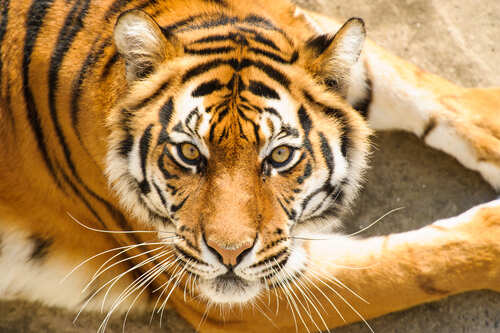
Descriptions of the animal vary across outlets, using tiger, tigress, lioness, or big cat. Photographs and captions add to the confusion in some places. The core safety point does not change. A captive apex predator can kill in seconds. Precision on species will matter for licensing records and husbandry standards. For the family, the difference is academic. A son is gone. A permit will not bring him back.
The collision of social media risk and weak safeguards
The reported facts fit a pattern that experts have warned about for years: private menageries, thin enforcement, and the chase for viral clips. Research on Pakistan’s wildlife framework notes that private possession is supposed to be limited and licensed, yet enforcement gaps allow tigers and lions to live in private compounds that may not meet safe standards. Add the pressure to post daring content, and people start treating trained distance as optional. Nature does not bargain. It collects.
American conservative values start with personal responsibility and respect for the rule of law. Both apply here. If an influencer directed a risky setup with a deadly animal, that choice carries weight. If a farm cut corners on training, barriers, or permits, that is not show business. That is negligence. Law is not a prop. Wildlife acts, penal codes, and common sense exist to protect workers, neighbors, and the animals themselves. When you ignore them, tragedy is not a twist. It is the script.
Sources:
ibtimes.co.uk, hindustantimes.com, ndtvprofit.com, dexerto.com