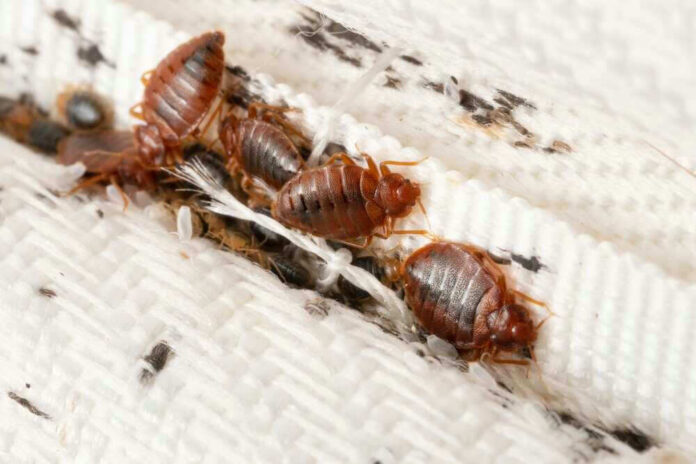
Chicago’s five-year reign atop the bedbug infestation list exposes the persistent failures of urban pest management and highlights a threat to public health and property that city leaders can no longer ignore.
Story Snapshot
- Chicago remains the most bedbug-infested city for the fifth consecutive year, revealing deep urban management issues.
- Traditional chemical-heavy pest control methods have proven inadequate, prompting a shift toward integrated and technology-driven solutions.
- Health risks, especially for children and vulnerable communities, remain high due to both pests and pesticide exposure.
- Widespread adoption of smart pest control technologies and eco-friendly practices is reshaping industry standards, though many cities lag behind.
Chicago’s Bedbug Crisis: A Persistent Urban Challenge
For half a decade, Chicago has held the unenviable title of America’s most bedbug-infested city. This ongoing crisis reflects not only a failure in local policy but also exposes the limitations of outdated pest control approaches. City residents face increased health risks and financial losses, as infestations drive up treatment costs and disrupt daily life.
The situation has sparked frustration among homeowners and business owners, many of whom view the city’s inability to resolve this hidden menace as a symptom of broader urban mismanagement and regulatory shortcomings.
Historically, pest control in urban settings relied heavily on chemical pesticides. While these methods provided short-term relief, they introduced significant health and environmental hazards, particularly for children and marginalized communities living in densely populated areas.
Over time, scientific research underscored the limited effectiveness of chemical-only strategies, prompting public health officials and housing authorities to seek safer, more sustainable solutions.
The emergence of Integrated Pest Management (IPM) marked a pivotal shift, combining sanitation, structural fixes, and targeted pesticide use to reduce both pest populations and exposure to harmful chemicals.
Technology and Innovation: The New Frontline in Urban Pest Control
Recent years have witnessed rapid advancements in pest monitoring and management technologies. Cities increasingly deploy smart traps, IoT sensors, and AI-driven analytics to pinpoint infestations and tailor interventions. These tools enable real-time data collection, improving response times and reducing reliance on blanket pesticide applications.
Biological controls—such as predatory insects and larva-eating fish—are gaining traction as eco-friendly alternatives, reflecting a broader industry movement toward sustainable practices. Despite these innovations, adoption varies widely, with resource-limited municipalities struggling to keep pace due to budget and infrastructure constraints.
Public health agencies continue to emphasize the importance of IPM, citing evidence that integrated strategies lead to lower pest populations and reduced pesticide exposure.
Industry leaders are investing heavily in digital solutions, viewing technology-driven pest control as not only more effective but also aligned with growing public demand for safety and sustainability. However, experts warn that without equitable access to these innovations, disadvantaged communities may remain disproportionately affected, perpetuating cycles of health risk and economic hardship.
Impact on Families and Communities: Health, Economics, and Policy
The consequences of unchecked urban pest infestations extend far beyond nuisance. Families living in affected areas face increased risks of asthma and other health problems, particularly children and those with preexisting respiratory conditions.
Economic impacts are significant, with property owners and businesses incurring substantial costs for remediation and lost revenue. The pest control industry, meanwhile, is undergoing a transformation, with rising demand for digital monitoring, data analytics, and eco-friendly products.
Midwest city holds number one spot on bedbug infestation list for fifth year in a row https://t.co/4wZXW9WEYk pic.twitter.com/5JrK4bVQR4
— New York Post (@nypost) August 27, 2025
Expert analysis consistently supports the transition toward integrated, technology-driven pest management. Peer-reviewed studies confirm that IPM reduces both infestations and pesticide-related health risks, improving quality of life for urban populations.
Nevertheless, researchers caution that uneven technology adoption and persistent social determinants—such as poor housing quality and inadequate sanitation—remain major barriers. Community advocates urge policymakers to address these root causes, ensuring that all residents benefit from advances in pest control and urban planning.
Sources:
Pesticides and Pest Control in Urban Environments: Health Impacts and Regulatory Challenges
Pest Control in Urban Environments: Challenges and Strategies
Integrated Pest Management in Urban Settings: Effectiveness and Outcomes
How Is Pest Control Technology Advancing in Urban Environments?
Common Urban Pests: Identification, Prevention, and Control