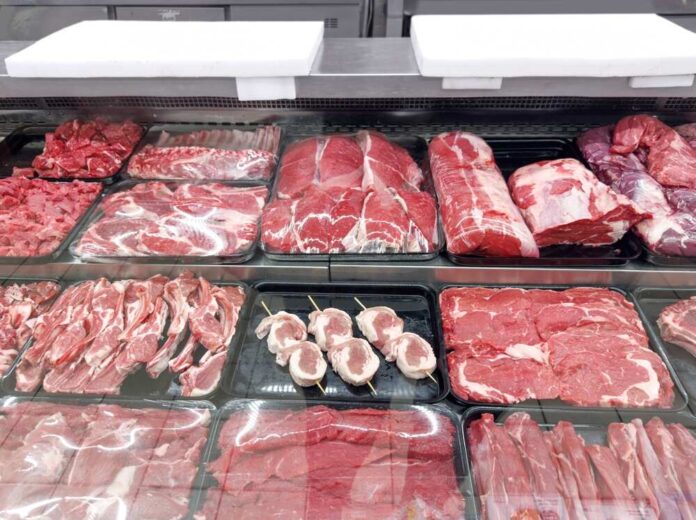
Omaha Steaks CEO Nate Rempe delivers a shocking warning that ground beef prices will skyrocket to $10 per pound by late 2026, threatening to devastate American family budgets already crushed by years of Biden-era inflation.
Story Snapshot
- Omaha Steaks CEO predicts ground beef will hit $10 per pound by Q3 2026.
- U.S. cattle inventory at historic lows due to droughts and supply chain failures.
- Trump administration pledges intervention to drive beef prices down.
- USDA disputes the severity of price predictions amid political debate.
Industry Leader Sounds Alarm on Beef Prices
Nate Rempe, CEO of Omaha Steaks, issued a stark warning in November 2025 that American families face a “$10-a-pound reality” for ground beef by the third quarter of 2026.
Rempe’s forecast represents a dramatic escalation from current prices, citing ongoing supply constraints and persistent inflationary pressures. The warning comes as beef prices have already reached historic highs, straining household budgets nationwide.
This prediction underscores the devastating legacy of previous administration policies that failed to address supply chain vulnerabilities and fiscal mismanagement.
Omaha Steaks CEO: The supply is going to continue to shrink as fewer cattle go to market. We are headed for $10 a pound ground beef in the grocery store. I don't think we will see prices come down in any meaningful way until sometime in 2027 pic.twitter.com/zldI5MKIX9
— FactPost (@factpostnews) November 14, 2025
Supply Chain Crisis Drives Market Pressures
The U.S. cattle industry faces unprecedented challenges with inventory levels at historic lows following years of drought, elevated feed costs, and supply chain disruptions.
Severe weather conditions from 2022 through 2025 decimated cattle herds in major producing states, while transportation and processing costs surged under inflationary pressures.
The COVID-19 pandemic initially disrupted labor and processing capacity, creating lasting structural weaknesses in the beef supply chain. These compounding factors demonstrate how poor policy decisions and regulatory overreach weakened America’s food security infrastructure.
Industry consolidation has further reduced competition and flexibility within the beef market, limiting producers’ ability to respond effectively to supply shocks.
Feed costs remain elevated due to energy policies that increased transportation expenses and regulatory burdens on agricultural producers.
The combination of reduced cattle numbers and higher production costs creates a perfect storm for sustained price increases that will burden American families.
Political Response and Market Intervention
President Trump’s team has pledged to drive beef prices down by 2026 through targeted policy interventions, though specific details remain under development.
The Trump administration’s commitment represents a sharp contrast to previous policies that prioritized environmental regulations over food affordability and energy independence.
USDA officials have pushed back against Rempe’s $ 10-per-pound prediction, suggesting that market forces may moderate price increases, creating tension between industry warnings and government assessments.
The disagreement highlights fundamental differences in economic philosophy: the Trump administration emphasizes market-based solutions and regulatory relief for producers.
Conservative economists argue that reducing regulatory burdens on ranchers, improving energy independence, and streamlining supply chains could significantly impact beef prices.
This approach aligns with constitutional principles of limited government and free market competition that have historically driven American prosperity and food abundance.
Sources:
Omaha Steaks CEO warns American families will soon face ‘$10-a-pound reality’ for beef
Beef prices outlook: inflation, cattle herd, supply demand, Trump tariffs