
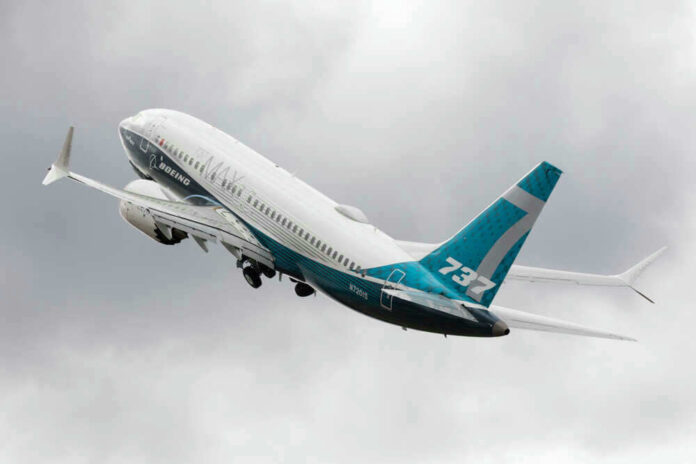
A United Airlines flight’s safe diversion after discovering a windshield crack showcases how America’s aviation industry prioritizes passenger safety over operational convenience, demonstrating the effectiveness of redundant safety systems that protect travelers.
Story Highlights
- United flight safely diverted to Denver after crew discovered crack in outer windshield layer during cruise.
- Multi-layered windshield design prevented any safety compromise with inner structural layers intact.
- All 150-180 passengers safely deplaned with alternate transportation arranged to San Francisco.
- Incident demonstrates aviation industry’s precautionary approach and redundant safety systems working as designed.
Flight Crew Makes Textbook Safety Decision
United Airlines pilots executed a flawless precautionary diversion after detecting a crack in the windshield’s outer layer during the Newark to San Francisco flight.
The flight crew immediately consulted with maintenance dispatch and made the decision to divert to Denver International Airport within 15-30 minutes of crack detection.
This rapid response demonstrates the authority flight crews maintain over operational decisions when passenger safety considerations arise, reflecting decades of training focused on precautionary measures rather than risk acceptance.
Multi-Layer Safety Design Proves Its Worth
Modern commercial aircraft windshields incorporate sophisticated multi-layered construction with 3-6 separate layers designed for complete redundancy. Each layer independently maintains structural integrity and cabin pressurization, meaning damage to any single layer poses no immediate safety threat.
The windshields undergo rigorous testing including bird strike simulation, pressure cycling, and thermal shock resistance. This engineering approach emerged from lessons learned in early aviation history when single-pane windshields proved inadequate for pressurized aircraft operations.
Operational Response Minimizes Passenger Impact
United Airlines immediately arranged alternate transportation for passengers while removing the affected aircraft from service for mandatory inspection and windshield replacement.
The airline absorbed estimated costs between $175,000-$410,000 including parts, labor, fuel, passenger accommodations, and lost revenue from aircraft downtime.
Standard protocol requires complete windshield assembly replacement, thorough structural assessment, and documentation before returning the aircraft to service. Passengers received rebooking assistance, meal vouchers, and hotel accommodations where overnight delays occurred.
Aviation Safety Statistics Reinforce Industry Excellence
Windshield cracks occur approximately 1-2 times per 10,000 flight hours across the commercial aviation industry, with over 99% involving only outer layers without structural compromise.
Zero fatalities have resulted from windshield cracks in modern commercial aviation since 1990, when enhanced installation protocols were implemented following historical incidents.
Commercial aviation maintains approximately 0.07 fatal accidents per million flights compared to automotive transportation’s 1.3 fatalities per 100 million vehicle miles, making aviation 20 times safer than driving.
https://twitter.com/CBSNewsColorado/status/1979985948680093966
This incident reinforces public confidence in America’s aviation safety systems while validating the industry’s commitment to precautionary principles.
The FAA’s regulatory framework requiring fail-safe design and the crew’s immediate response demonstrate how decades of safety improvements protect American travelers every day.