Cracker Barrel’s attempt to ditch its iconic “Old Timer” logo backfired spectacularly, proving that American tradition still has the power to bring corporate leaders to their senses.
Story Snapshot
- Cracker Barrel reversed its controversial logo rebrand after overwhelming customer backlash.
- The company’s leadership just admitted they underestimated the strength of customer loyalty to tradition.
- The rebrand controversy overshadowed the chain’s fourth-quarter earnings report.
- This episode highlights the risks of abandoning American heritage and values for fleeting trends.
Cracker Barrel’s Logo Reversal: A Lesson in Respecting Tradition
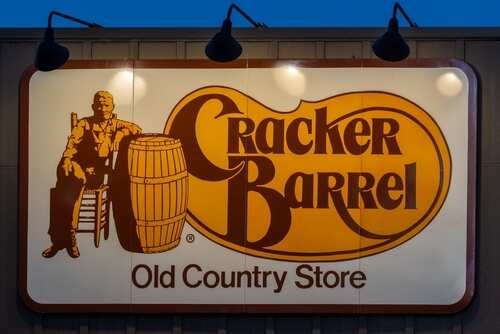
Cracker Barrel Old Country Store, a fixture of American roadside dining since 1969, stunned the public by announcing it would restore its classic “Old Timer” logo.
The reversal came after a failed attempt earlier in the year to modernize its branding, which saw the removal of the iconic barrel and elderly figure that had symbolized the chain’s Southern roots for decades.
The outcry from customers was swift and intense, with many decrying the move as yet another example of corporate America ignoring the values and voices of everyday Americans.
It isn't just "the logo" people have connection with. It is tradition and familiarity, the nostalgia they feel going to places they enjoy.
People don't like change for the sake of change, and they sure as hell don't like woke changeSource: New York Post
https://t.co/91IBTUHwQi— 🇺🇸 GHOST IN THE MACHINE 🇺🇸 (@DannyMathews15) September 18, 2025
Cracker Barrel’s leadership, including CEO Julie Masino, faced a wave of criticism not just from loyal diners but also from shareholders worried about the brand’s identity and financial future.
The company’s fourth quarter earnings release, which typically would have drawn investor focus, was instead dominated by questions about the wisdom of the rebranding and the disconnect between corporate decisions and customer sentiment.
Masino publicly admitted during the earnings call that the company had “underestimated the customer connection to the iconic logo,” a rare acknowledgment of miscalculation at the highest levels of management.
Why the “Old Timer” Matters: Heritage Over Hype
The failed rebranding highlights a broader battle unfolding across American culture: the tension between preserving tradition and embracing modern trends.
For Cracker Barrel’s core audience—families, retirees, and travelers seeking the comfort of home-style cooking and nostalgic decor—the original logo represents more than a marketing tool. It’s a symbol of continuity, stability, and shared values.
The backlash to the new logo mirrored similar reactions seen when other legacy brands, like Gap and Tropicana, tried to abandon their established images in favor of fleeting modernity, only to be forced into retreat.
Cracker Barrel’s reversal serves as a warning to corporate America about the perils of disregarding the deep attachments customers have to time-honored symbols.
It also highlights a sense of fatigue among conservatives and traditionalists who feel besieged by efforts to erase or rewrite American heritage—whether in the halls of government, the classroom, or the boardroom.
In an era when companies often bend to the latest social trends, Cracker Barrel’s experience proves that listening to loyal Americans isn’t just good business—it’s common sense.
The Power of Customer Voices: A Victory for Common Sense
The company’s decision to restore the “Old Timer” came only months after rolling out the ill-fated rebrand, demonstrating the speed and force of the backlash. Within weeks of the new logo’s debut, customer complaints flooded social media, and online communities rallied to demand a return to tradition.
Shareholders, too, expressed concerns about the long-term impact on brand equity and customer trust. The financial costs of the back-and-forth were real, but the reputational damage of ignoring core supporters could have been far greater.
Industry experts and marketing analysts point out that legacy brands have a unique relationship with their customers. Nostalgia, especially for symbols rooted in family, tradition, and Americana, can outweigh any perceived benefits of modernization.
Cracker Barrel’s rapid course correction, while costly, may ultimately strengthen its bond with customers, serving as a reminder that respecting tradition isn’t just about the past—it’s about securing the future.
Yet another example of what happens when companies turn their focus away from customers.https://t.co/vw9nSDDSyS
— 1792 Exchange (@1792Exchange) September 18, 2025
As the dust settles, Cracker Barrel’s story stands as a powerful example to other American institutions: do not take the loyalty and values of your core supporters for granted.
In a time when so many are hungry for stability and authenticity, honoring tradition is not a liability—it’s an asset.
For conservatives, this episode offers hope that when Americans speak up to defend what matters, even the biggest corporations have no choice but to listen.