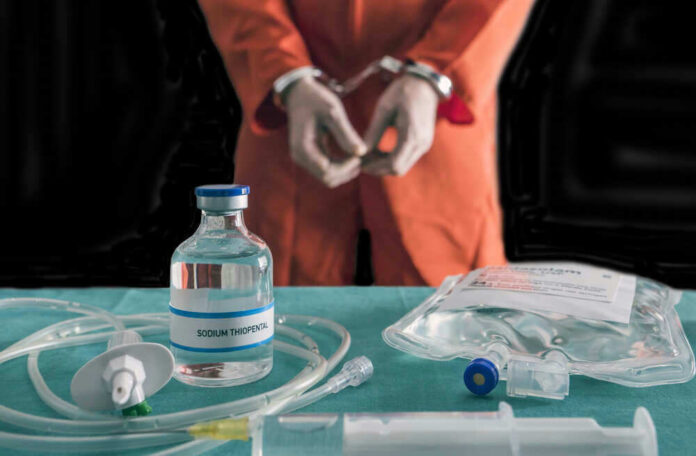
A convicted rapist and murderer who previously chose the electric chair has now declined to select his execution method, forcing Tennessee to default to lethal injection despite years of legal battles over the state’s flawed death penalty protocols.
Story Snapshot
- Harold Wayne Nichols declined to choose execution method, defaulting to lethal injection for December 11 execution.
- Previously selected electric chair in 2020 before COVID reprieve delayed his death sentence.
- Tennessee’s lethal injection drugs were found improperly tested, forcing new single-drug protocol.
- Death row attorneys continue challenging the state’s updated execution procedures in ongoing lawsuit.
Convicted Killer Changes Course on Execution Method
Harold Wayne Nichols, sentenced to death in 1990 for raping and murdering 21-year-old Chattanooga State University student Karen Pulley, declined Monday to choose between electrocution and lethal injection for his scheduled December 11 execution.
Tennessee Department of Correction spokesperson Dorinda Carter confirmed the state will now proceed with its preferred lethal injection method, though Nichols retains two weeks to reconsider his decision.
The case highlights Tennessee’s unique position as the only state actively using the electric chair in recent years. All five electrocutions nationwide over the past decade occurred in Tennessee, where inmates convicted before January 1999 may choose electrocution over the state’s standard lethal injection protocol.
Tennessee death row inmate declines to chose between the electric chair and lethal injection https://t.co/rm8Q2buboY pic.twitter.com/IdtUjnVIYS
— The Independent (@Independent) November 11, 2025
Execution Delays Expose System Failures
Nichols originally selected electrocution before his 2020 execution date, which was postponed due to COVID-19 restrictions. His preference came amid growing concerns about Tennessee’s three-drug lethal injection process, which defense attorneys argued contained significant procedural problems.
These concerns proved justified when Governor Bill Lee ordered an independent investigation into the state’s death penalty procedures in 2022.
Former U.S. Attorney Ed Stanton’s investigation revealed disturbing failures in Tennessee’s execution protocols.
The review determined that none of the lethal injection drugs prepared for the seven inmates executed since 2018 had undergone proper testing procedures, raising serious questions about the state’s competence in carrying out court-ordered death sentences.
New Protocol Faces Legal Challenge
Tennessee’s Correction Department responded to these findings by implementing a revised execution protocol in December 2024, switching from the problematic three-drug combination to a single drug, pentobarbital.
However, this change has not resolved legal disputes surrounding the state’s death penalty procedures. Defense attorneys representing multiple death row inmates have filed suit challenging the new protocol.
The legal challenge will not reach trial until April 2026, prolonging uncertainty about Tennessee’s execution methods.
This delay demonstrates how administrative failures and legal complications continue to frustrate the implementation of lawful death sentences, potentially denying justice to victims’ families who have waited decades for resolution.
Justice Long Overdue for Victim’s Family
Nichols confessed to murdering Karen Pulley and committing several other rapes in the Chattanooga area during the 1980s. During his trial, he acknowledged his pattern of violent behavior would have continued without arrest, telling the court he experienced uncontrollable urges to commit these crimes.
Despite expressing remorse and stating he would trade places with his victim, Nichols has remained on death row for over three decades while legal proceedings drag on.
The prolonged delays in carrying out lawfully imposed death sentences reflect broader problems within America’s criminal justice system.
Families of murder victims deserve a timely resolution rather than endless appeals and procedural complications that stretch justice across multiple decades, undermining public confidence in the system’s ability to deliver appropriate punishment for heinous crimes.