
Sparking outrage and debate over royal protocol, diplomatic priorities, and the limits of political theater, King Charles has scheduled President Donald Trump’s state visit to the UK for a time when Parliament is out of session.
At a Glance
- King Charles invited President Trump for a second state visit—breaking with decades of royal tradition.
- The visit is set for September 17–19, 2025, at Windsor Castle while Parliament is in recess, sidestepping the issue of a parliamentary address.
- Prime Minister Keir Starmer delivered the invitation personally, reflecting sensitive political calculations.
- Political opponents and segments of the British public are criticizing the timing and symbolism of the visit.
King Charles Breaks Tradition, Invites Trump for Second State Visit
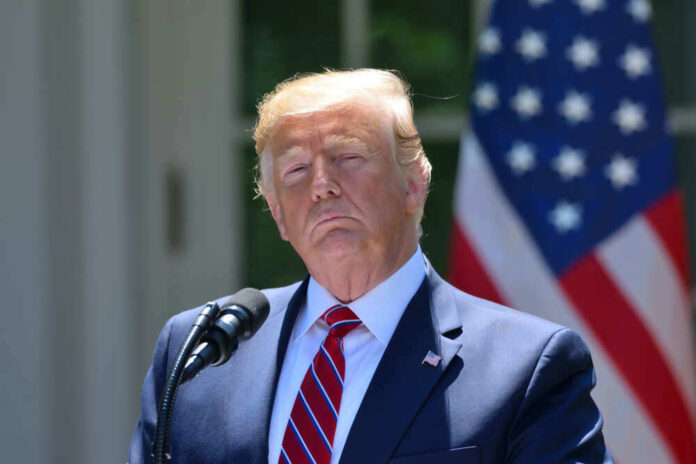
King Charles III has thrown out the royal rulebook, extending an invitation to President Donald Trump for a second official state visit to the United Kingdom.
This move is unprecedented, as British monarchs have never before offered a second full state visit to a sitting US president. The decision comes less than a year into Trump’s second term and follows his 2019 state visit hosted by Queen Elizabeth II.
The message is crystal clear: the royal household is making a statement about the importance of the so-called “special relationship” with the United States, whether or not the British political class or public are in the mood for another Trump spectacle.
The visit will bypass Buckingham Palace, which is undergoing renovations, and instead take place at Windsor Castle—a location recently used for French President Emmanuel Macron’s state visit. Critics and supporters alike are questioning the real motivations behind this grand gesture, especially given the timing.
The invitation, hand-delivered by Prime Minister Keir Starmer in February 2025, signals heavy political calculation at play: Starmer, fresh in his role and facing a divided Parliament, appears eager to avoid inflaming anti-Trump sentiment while still honoring royal and diplomatic protocol.
Parliament in Recess: Sidestepping Controversy and Democratic Debate
The scheduling of Trump’s visit for mid-September, when Parliament is on recess for annual party conferences, is more than a quirk of the calendar. This maneuver ensures that President Trump will not address Parliament—a privilege given to some previous US presidents and world leaders, but one many MPs and activists were determined to block this time around.
A group of 20 MPs, mostly Labour, have already signed a motion urging the Speaker to deny Trump the honor, reflecting the continued animosity of the British political left toward Trump’s policies and persona.
The move to schedule the visit during recess strips the opposition of its main stage for protest and debate, reducing the visit to ceremonial pageantry rather than substantive political engagement.
The absence of a parliamentary address will not go unnoticed by Trump’s supporters or critics. For conservatives in the US, the spectacle of Westminster’s elite ducking the chance to face a sitting US president—while rolling out the red carpet at Windsor—underscores just how out of touch European political establishments can be.
For the British left, it is a tactical win, but one that comes at the cost of public transparency and honest debate. Meanwhile, the British public and media are left to speculate about the backroom deals and diplomatic gamesmanship that led to this carefully orchestrated state visit.
Diplomatic Optics: Royal Pageantry or Political Theater?
The state visit is shaping up to be a masterclass in diplomatic optics, if not in genuine political engagement. King Charles’ decision to host President Trump at Windsor Castle is, on one hand, a nod to tradition and the monarchy’s role as a neutral, unifying figure.
On the other hand, the timing and format of the visit—absent the democratic engagement of a parliamentary address—reeks of political theater. The royal family, British government, and US administration are all maneuvering to project strength, stability, and continuity in a time of global uncertainty.
For American conservatives and Trump supporters, the visit is confirmation that Trump’s America is once again commanding global respect and attention.
The UK’s willingness to break with precedent and roll out the royal welcome, even as critics protest, is seen as a win for common sense, strong borders, and the kind of no-nonsense diplomacy that has been sorely lacking.
Yet, the very lengths to which British officials have gone to avoid controversy—moving the visit out of Parliament’s reach, hiding behind royal ceremony—highlight just how much political capital is being spent to keep the peace, rather than confront the real issues dividing the US and UK.