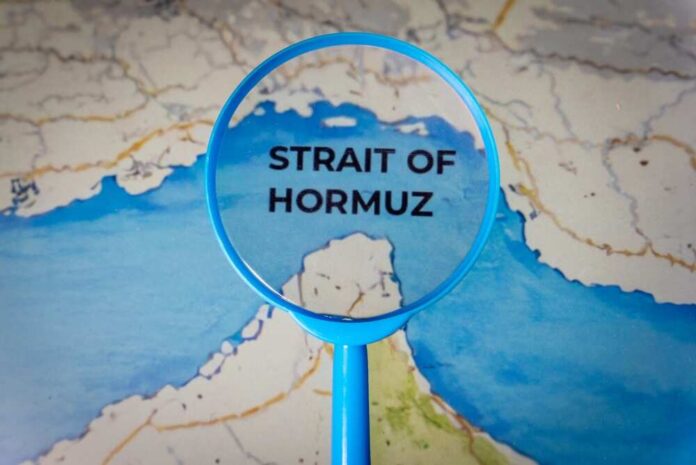
Oil jumped above $90 because rockets and sea mines almost met the world’s busiest oil lane.
Story Snapshot
- U.S. Central Command said it hit two Iranian launchers on Larak Island to stop an imminent mining threat to the Strait of Hormuz.
- Command officials called it a limited, precise defensive strike aimed at protecting shipping and global commerce.
- Brent crude rose more than 3%, topping $90, as traders priced in risk to a vital chokepoint.
- Iran’s Revolutionary Guard vowed punishment and claimed casualties, without a confirmed toll.
What triggered the price spike
United States Central Command reported that American forces struck two Iranian launchers on Iran’s Larak Island after watching Islamic Revolutionary Guard Corps units prepare rockets fitted with sea mines aimed at the Strait of Hormuz. Command spokespeople described a narrow, time-sensitive action, not an open-ended campaign.
They said the goal was to protect civilian mariners, commercial shipping, and the flow of global commerce. Traders heard “Hormuz” and did the math in seconds. The result was a quick surge in oil above $90 as risk premiums snapped back.
Energy markets respond first and ask questions later when Hormuz is in play. Roughly one-fifth of the world’s energy trade passes through this slim waterway. A mining threat can raise transport risk and insurance costs even if a strike gets stopped in time.
Prices move because tankers and insurers cannot wait for a perfect picture. They price the odds of delay or damage today, not a clean after-action report tomorrow.
What the U.S. says it did, and why it matters
Central Command framed the operation as a “limited, precise action” against an “imminent threat.” Officials also said they had recently cleared mines from the strait’s international routes, suggesting a rolling effort to keep lanes open.
That message matches a long U.S. pattern near Hormuz: act fast, act narrow, and keep oil moving. Free navigation keeps prices stable, families working, and small businesses from getting crushed at the pump.
Critics will ask for more proof. The public record, so far, rests on official statements. That lack of open evidence gives room for dispute. But timing matters. The window to stop a sea mine threat can be minutes, not days. Commanders often must act on classified indicators, then share what they can later.
How Iran is framing the clash
Iran’s Revolutionary Guard said the strike killed and wounded several fighters and civilians, and promised a response. The statement did not name a casualty count. Iranian officials called the strike a violation of sovereignty and claimed their own later attacks on U.S. positions were self-defense.
These are assertions, not yet matched by independent tolls or broad third-party checks in the record provided. Tehran’s posture aims to deter future hits and to claim legal cover. That is a standard script in this theater.
Crude oil prices have risen above $90 per barrel after the United States and Iran resumed military strikes over the Strait of Hormuz, reviving concerns about disruptions to global oil supplies through the strategic waterway. https://t.co/97lMzRe9RG pic.twitter.com/OWiWHfCGJY
— Nairametrics (@Nairametrics) August 31, 2026
Markets do not wait on dueling press releases to decide price. They track ships, insurance notes, and route changes. When Hormuz heats up, even a hint of mining risk can add dollars to a barrel.
If evidence later confirms the threat was real, the premium can hold. If tensions fade and lanes prove clear, some gains may ease. But the instant jump over $90 shows how thin the buffer is when a chokepoint blinks red.
What to watch next to separate heat from light
Three signals will test the narrative in coming days. First, commercial satellite images of Larak Island may show strike impacts or equipment remains. That would not reveal everything but could anchor the timeline.
Second, ship traffic data and insurer advisories would confirm whether captains changed routes or slowed convoys. Third, any declassified snippets from surveillance could bolster the “imminent” call. One strong datapoint can calm markets faster than ten anonymous quotes.
Policy choices also matter now. A calm, limited U.S. posture that keeps convoys safe without mission creep will steady prices. Targeted defense is cheaper than a shooting war. Iran’s leaders face a choice too. Escalation by targeting shipping would backfire.
It would unite carriers, buyers, and many governments against them. Closing or mining Hormuz would hurt their own revenues and could invite broader pushback they cannot control. Deterrence backed by clear red lines still works in this lane.
Bottom line for readers and investors
Energy shocks feed inflation and drain savings. When a strike near Hormuz hits the tape, treat the price pop as a risk tax, not random noise.
Check if shipping slows, if insurers hike rates, and if follow-on strikes hit logistics, not just launchers. If lanes stay open, the premium can fade. If mines touch water, it grows. Facts on the water decide the chart more than words on a podium.