

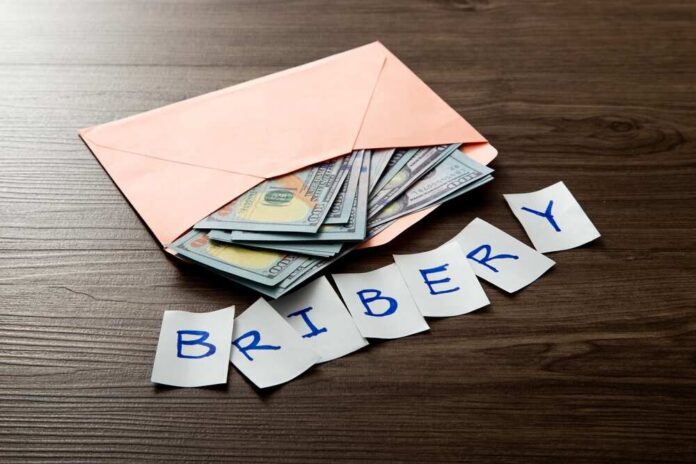
The alleged $100,000 “off the books” request landed six days before her Senate confirmation hearing—and now her job may be on the line.
Story Snapshot
- Reports say Kimberly Guilfoyle asked a donor to wire $100,000 to American Express before her hearing.
- Eric Deters called the ask “pay to play” and linked it to promised access.
- President Trump and Secretary of State Marco Rubio are weighing her removal, per a senior U.S. official.
- Guilfoyle’s lawyer disputes the texts’ authenticity and says she did nothing wrong.
What triggered the crisis for Ambassador Guilfoyle
Reports describe Signal messages in which U.S. Ambassador to Greece Kimberly Guilfoyle allegedly asked Republican donor Eric Deters to pay a $100,000 American Express balance days before her July 9, 2025 confirmation hearing. One line allegedly said, “It won’t show up anywhere if you wire money to American Express.” Outlets say The Wall Street Journal reviewed hundreds of related messages and emails. The payment was not made, according to Deters. These events now drive calls for her removal.
A senior U.S. official said President Trump and Secretary of State Marco Rubio are “extremely pissed off” and considering firing Guilfoyle. That assessment, reported by Fox News and attributed to Associated Press sourcing, signals the stakes inside the administration. Weighing removal before a formal adjudication is unusual, but top leaders often move to protect mission integrity and donor confidence when ethical clouds form over a Senate-confirmed envoy.
The donor’s account and what it implies
Eric Deters went on camera and said the ask was about access. He told CBS News he had “no doubt it was pay to play,” describing promised help with reaching senior officials and help on personal legal and tax matters. If accurate, that crosses a bright line. American law draws a difference between routine political support and a “this for that” exchange of value for official action. Deters says that line was made explicit; his claim, if proven, is damaging.
Deters also said he never sent the $100,000. That matters. A completed payment would sharpen a potential bribery theory; a failed ask centers instead on solicitation and judgment. For conservatives who value clean government and equal treatment under law, the key test is intent and action, not headlines. If an official sought a private bailout while leveraging public power, that is disqualifying. If the record shows spin or misread texts, discipline should fit the facts.
The defense: authenticity dispute and alternative story
Guilfoyle’s lawyer disputes the messages’ authenticity and says she was actually owed money tied to speaking events, which Deters disputes. The defense also says she did nothing wrong. Without a complete, authenticated message archive, screenshots invite doubt. That said, denying authenticity without producing originals or device forensics will not end the questions. Vice President JD Vance urged caution, saying alleged messages and one account do not prove guilt; if something bad happened, consequences should follow.
The narrow facts that carry the most weight
The timeline is tight: the alleged ask on July 3; the Senate hearing on July 9. The reported instruction to wire American Express “so it won’t show up” would, if authentic, signal intent to avoid a paper trail. The volume of materials reportedly reviewed by journalists adds gravity, though the public still lacks a full archive. Senior leaders considering removal suggests concern about mission risk and reputational harm, regardless of criminal thresholds or whether money changed hands.
.@realDonaldTrump and @marcorubio consider firing Kimberly Guilfoyle amid misconduct allegations: Report https://t.co/WeEoso3K0E
— Washington Examiner (@dcexaminer) October 12, 2026
The public should watch three proof points next. First, authentication: a neutral review of the devices, a complete Signal export, and chain-of-custody records. Second, money flow: American Express and bank records for June through August 2025 to confirm whether any payment was attempted, routed, or refunded. Third, access logs: calendars, emails, and call records to test claims of promised or delivered meetings. Those records can resolve what was said, what was meant, and what, if anything, was done.
Why this matters beyond one ambassadorship
Ambassadorships are often political, but the job is public trust. When private debts and donor relationships blur into official business, Americans lose faith. If the messages are real and the offer was access for a bailout, removal protects the standard. If the messages are not real or are cherry-picked, leaders should say so and release the records to clear the air. Clean lines, quick transparency, and equal rules are the conservative way to keep government honest.
Sources:
foxnews.com, thehill.com, independent.co.uk, cbsnews.com, yahoo.com