

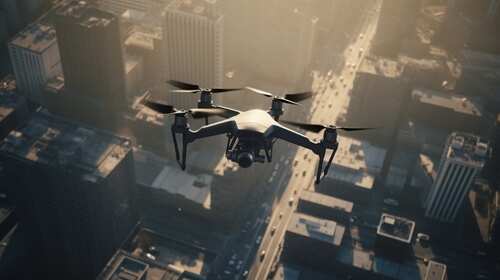
President Trump’s revolutionary White House ballroom project will feature cutting-edge “drone-free roof” technology, transforming the executive mansion into a fortress against modern security threats while fulfilling a 150-year dream.
Story Highlights
- Trump announces drone-proof technology for $400 million White House ballroom replacing demolished East Wing
- Project includes bulletproof glass and advanced security features funded entirely by private donations
- Construction expected to complete by 2028 with plans submitted to National Capital Planning Commission in January
- Critics from previous administrations oppose changes to “The People’s House” despite historical precedent
Advanced Security Features Protect Presidential Events
President Trump revealed the White House ballroom will incorporate state-of-the-art security technology during a Monday press conference at Mar-a-Lago with Israeli Prime Minister Benjamin Netanyahu. The facility will feature bulletproof glass throughout and specialized drone-defense systems preventing aerial intrusions.
Trump emphasized the building’s expanded size will accommodate presidential inaugurations, creating a secure venue for America’s most important ceremonies. These security enhancements reflect modern threats facing the executive branch while maintaining the dignity of presidential functions.
President Trump: New White House ballroom will have "drone-free roof" https://t.co/loRC2xKP7p
— The Hill (@thehill) December 30, 2025
The drone-free roof technology represents a significant advancement in White House security infrastructure. Recent drone incidents across major cities demonstrate the urgent need for such protective measures at our nation’s most critical government facility.
Trump’s proactive approach addresses vulnerabilities that previous administrations ignored, ensuring presidential events remain safe from emerging technological threats. This investment in security technology protects not just the president but visiting world leaders and American citizens attending official functions.
Private Funding Eliminates Taxpayer Burden
The ballroom project will cost approximately $400 million, funded entirely through private donations without burdening American taxpayers. Trump stated he expects to complete construction for less than the estimated cost, demonstrating fiscal responsibility often absent in government projects.
Initial estimates began at $250 million, then increased to $300 million before reaching the current projection. The president’s commitment to donor funding protects taxpayers from another expensive government construction boondoggle while delivering essential infrastructure improvements.
Trump’s approach contrasts sharply with typical Washington spending patterns where cost overruns plague federal construction projects. Private funding ensures accountability and efficiency while eliminating the bureaucratic waste common in government-managed developments.
The president’s track record in construction and development provides confidence in delivering the project on schedule and within budget. This funding model should become the standard for non-essential government facility improvements, protecting taxpayer dollars for critical national priorities.
Historical Context Supports Presidential Renovations
White House modifications have occurred throughout American history, with President Jefferson adding controversial colonnades to the eastern and western sides of the mansion. Newspaper editorials criticized Jefferson’s additions as showing “aristocratic tendencies,” proving presidential renovations have always faced political opposition.
The East Wing area has been a source of architectural debate since the executive mansion’s early years, making Trump’s ballroom a continuation of presidential customization traditions. Critics from the Clinton and Obama administrations oppose the changes despite this established historical precedent.
The National Capital Planning Commission review process will begin in January when Trump submits construction plans, following proper legal procedures despite critics’ claims of regulatory violations. Shalom Baranes now serves as the project’s lead architect after Trump replaced the original designer to ensure quality results.
Construction timeline extends through 2028, allowing thorough planning and execution while maintaining White House operations. The project fulfills a 150-year aspiration for a proper presidential ballroom, addressing a long-standing gap in White House ceremonial facilities that serves America’s diplomatic and cultural needs.