The Vatican’s decision to canonize a former Satanic priest as a Catholic saint has stunned the world and raised critical questions about the boundaries of tradition and the meaning of redemption in turbulent times.
Story Snapshot
- Pope Leo XIV canonized seven new saints, including Bartolomeo Longo, a former practitioner of Satanic rites.
- The ceremony drew 70,000 attendees and global media, spotlighting themes of forgiveness and conversion.
- Critics and faithful alike debate the Church’s decision to elevate a figure with a dark past to sainthood.
- This unprecedented move signals a dramatic shift in how religious institutions address controversial histories.
Pope Leo XIV’s Canonization of Bartolomeo Longo: A Global Spectacle
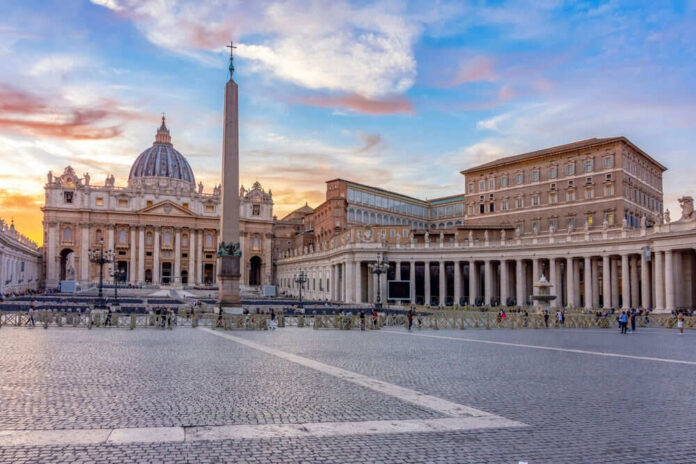
On October 19–20, 2025, Pope Leo XIV presided over a canonization ceremony in St. Peter’s Square, Vatican City, where seven individuals were elevated to sainthood. Among them, Bartolomeo Longo’s background as a former Satanic priest dominated global headlines.
His story, marked by conversion from darkness to faith, set the ceremony apart and drew approximately 70,000 attendees. The event not only marked a major public gathering but also ignited a debate about the boundaries of forgiveness and the message it sends to the Catholic faithful and beyond.
The canonization process in the Catholic Church typically involves rigorous investigations into a candidate’s virtue and miracles. Historically, those elevated to sainthood were known for their piety, charitable works, or martyrdom. The inclusion of someone with a documented past in Satanism is unprecedented in modern Church history.
Bartolomeo Longo’s journey from practicing Satanic rites to dedicating his life to Catholic charity and the Rosary exemplifies an extreme case of redemption. Supporters emphasize his repentance and contributions; critics question whether this risks diluting the meaning of sainthood or causing confusion among believers.
Redemption, Conversion, and the Debate on Sainthood
The Vatican’s move reflects a strategic emphasis on mercy, inclusivity, and the power of personal transformation. By canonizing Longo alongside figures such as Peter To Rot, Vincenza Maria Poloni, and Armenian martyr Ignatius Maloyan, the Church showcased its global reach and diversity.
The ceremony highlighted not only the universality of sainthood but also the complexities of addressing controversial histories in religious institutions. While the story may inspire some lapsed Catholics and converts, it has unsettled traditionalists who see this as a departure from established norms.
Bartolo Longo, a former Satanic priest turned Catholic who devoted his life to the Rosary and the Virgin Mary following his conversion, was canonised by Pope Leo XIV today at the Vatican
Image: Angelbert Chikere pic.twitter.com/zzVPGkmWVx
— Sachin Jose (@Sachinettiyil) October 19, 2025
Media coverage after the ceremony focused on both the spectacle and the underlying message. The Vatican, while providing only official statements, allowed Cardinal Marcello Semeraro to present detailed biographies of the new saints.
Public discourse has since revolved around whether the Church is sending a signal that no sin—no matter how grave—precludes ultimate redemption, or if it risks undermining the moral authority of its most revered figures.
The debate underscores broader questions about the role of tradition, the meaning of forgiveness, and the Church’s response to a rapidly changing world.
Pope Leo XIV canonizes former Satanic priest and 6 other new saints https://t.co/0ABjkhbKqX pic.twitter.com/XRCtMqBGhq
— New York Post (@nypost) October 22, 2025
Implications for Faithful, Institutions, and Future Precedents
The short-term impact of the canonization includes a surge in global attention, increased pilgrimage interest, and social debates on redemption.
The long-term effects remain uncertain. Some theologians may view the move as a powerful testament to divine mercy, while others warn of potential scandals or misunderstandings among the faithful.
The event forces religious institutions to reconsider how they balance tradition with modern expectations of inclusivity and transparency. As the Church navigates these complexities, its actions will continue to shape discussions on morality, redemption, and the meaning of sainthood for years to come.
"Pope Leo XIV canonizes former Satanic priest and 6 other new saints" – New York Post #SmartNews https://t.co/HezoGkgxCL
— Gene Melius (@gene_melius2) October 22, 2025
For conservative Americans, this event is a reminder of the ongoing culture wars and the importance of defending traditional values in a world that often seems intent on rewriting the rules.
While religious freedom and redemption are central to American principles, the elevation of a figure with a notorious past sparks legitimate concern about the erosion of standards and the potential consequences for faith communities.
As the debate continues, vigilance remains essential to ensure that the core values of faith, family, and tradition are not undermined by trends that may blur the lines between good and evil.
Sources:
Pope Leo XIV to canonise former satanic priest
Ex-Satanic priest among seven new saints created by Pope Leo XIV