

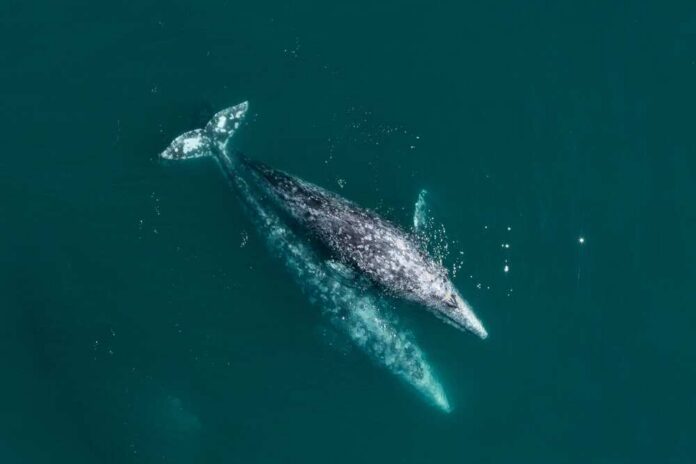
A humpback whale’s tragic death in Germany’s Baltic Sea serves as a stark reminder that nature’s challenges cannot always be overcome by human intervention, no matter how well-intentioned—a lesson that resonates with those who understand the limits of action and the importance of respecting natural order.
Story Summary
- German rescuers abandoned hope for a 39-49-foot humpback whale repeatedly stranded in the Baltic Sea’s shallow waters near Wismar
- Scientific coordinator Burkard Baschek confirmed the whale’s weakening condition, irregular breathing, and falling water levels left no viable rescue options
- Previous rescue attempts, including excavator-assisted efforts, failed to prevent the whale from re-stranding in increasingly dire circumstances
- The rare Baltic Sea stranding highlights the exceptional nature of the incident, as humpback whales typically inhabit deeper Atlantic waters
Repeated Rescue Attempts End in Difficult Decision
Rescuers in Germany’s Mecklenburg-Vorpommern region made the difficult decision Wednesday to cease active efforts to save a humpback whale stranded in an inlet on Poel island near Wismar.
Scientific director Burkard Baschek from Ocean Museum Germany, who coordinated the rescue operations, announced the decision after drone surveillance and direct observation revealed the animal’s deteriorating condition.
The whale, measuring between 39 and 49 feet long, exhibited irregular breathing patterns and minimal movement, leaving rescuers with no realistic hope for recovery despite previous successful interventions.
Challenging Timeline of Failed Interventions
The whale first appeared at the Timmendorfer Strand resort town last week, stranded in shallow water requiring excavator assistance to free it. After traveling approximately 30 miles, the exhausted animal was re-stranded on Tuesday in the Poel inlet’s brackish waters.
Authorities attempted to encourage the whale to swim using boats and provided periods of rest, hoping it would free itself as it had twice before.
However, falling water levels combined with the whale’s weakened state made further self-rescue impossible, forcing officials to acknowledge reality rather than pursue futile intervention.
Rare Baltic Occurrence Highlights Natural Limits
Humpback whales rarely venture into the Baltic Sea’s shallow, low-salinity waters, typically preferring deeper Atlantic migration routes. The Baltic’s sediment-heavy inlets and tidal fluctuations create dangerous conditions for large cetaceans, particularly when navigation errors or health issues lead them astray.
This exceptional case underscores the harsh reality that even with modern technology and dedicated rescue teams, nature sometimes presents insurmountable challenges.
Baschek stated the strategy shifted to providing “maximum rest and respect for nature,” acknowledging the animal would likely die in place—a pragmatic acceptance that human intervention has limits.
A young humpback whale, named Timmy by rescuers, was struggling to find its way out of shallow bays off the Baltic coast of Germany after a week-long ordeal that has put its survival in doubt pic.twitter.com/rmrkcAPLwY
— Reuters (@Reuters) March 29, 2026
Decision Reflects Practical Wisdom Over Sentiment
The rescue team’s decision demonstrates practical wisdom that conservatives appreciate: recognizing when continued action becomes counterproductive.
Baschek told reporters, “We firmly believe that the animal will die there… prospects very small… let it go,” prioritizing the whale’s dignity over theatrical rescue attempts that would only prolong suffering.
This approach reflects sound judgment based on expert assessment rather than emotional response driven by media pressure. The case may provide valuable data from a potential necropsy to understand what caused the whale’s disorientation, contributing to scientific knowledge while respecting the natural cycle of life and death that governs all creatures.
Sources:
Rescuers lose hope for the humpback whale stranded in the Baltic Sea
Rescuers give up hope for humpback stranded in Baltic Sea
Rescuers lose hope for the humpback whale stranded in the Baltic Sea