
A Utah beverage company is pulling back more than 77,000 cans of 7UP Tropical after discovering some cans marked “Zero Sugar” actually contained the real thing.
Quick Take
- Admiral Beverage Corporation voluntarily recalled 3,240 cases, or about 77,760 cans, of 7UP Tropical on August 20.
- Cans inside the cases were labeled “7UP Tropical Zero Sugar” but actually contained the full-sugar version, with roughly 38 grams of sugar per can.
- The Food and Drug Administration (FDA) classified the recall as Class II on September 29, meaning health risks are possible but unlikely to be serious.
- This is the second similar 7UP mislabeling recall in recent months, following a separate case tied to Buffalo Rock Company in July.
What Went Wrong Inside The Cases
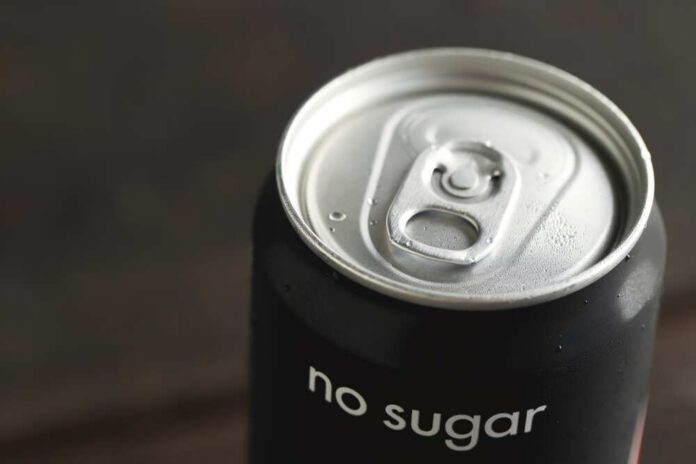
The mix-up centered on packaging, not the soda itself. The outer cases were correctly labeled 7UP Tropical. But the cans packed inside carried a “Zero Sugar” label even though the drink inside was the standard, full-sugar formula. For anyone tracking sugar intake, that mismatch turns a supposedly diet-friendly can into a hidden sugar bomb.
Admiral Beverage Corporation, an independent Utah-based distributor, caught the error and launched a voluntary recall on August 20. Dr Pepper/Seven Up, Inc. produced the affected product in Frisco, Texas, and it carries a shelf life stretching into 2027, meaning mislabeled cans could have sat in refrigerators and pantries for months before anyone noticed.
A Utah beverage company is recalling more than 77,000 cans of 7UP Tropical after some packages labeled as zero-sugar soda were found to contain the full-sugar version of the drink. https://t.co/GPsFyPmyTb
— FOX 5 Atlanta (@FOX5Atlanta) October 1, 2026
How The FDA Weighed The Risk
The Food and Drug Administration classified the recall as Class II on September 29. That label matters. It signals a situation where using the product “may cause temporary or medically reversible” harm, a step below the most serious Class I designation reserved for products that could cause death or serious injury.
For most healthy adults, an unexpected 38 grams of sugar is an unpleasant surprise, not a medical emergency. For people managing diabetes or watching sugar for other health reasons, it is a real problem.
The FDA’s own consumer guidance describes a recall simply as action a company takes to correct or remove a product that violates federal law or regulation.
In this case, the violation was a labeling error, not contamination or spoilage. That distinction matters for anyone deciding whether to toss a can or double-check what they are drinking.
Not The First Time This Has Happened
This is not an isolated slip. Buffalo Rock Company, an Alabama-based bottler, recalled nearly 2,000 cases, about 23,448 cans, of 7Up Zero Sugar Tropical in late July after the same type of error turned up in cans distributed across Alabama and the Northwest. Two separate bottlers, two nearly identical mistakes, within weeks of each other, raise real questions about quality control across the 7UP bottling network.
The broader beverage industry has seen this pattern before. Coca-Cola recalled over 13,000 cases of Minute Maid Zero Lemonade in 2024 after cartons were found to contain the full-sugar version instead.
High Noon seltzer cans were mistakenly filled and labeled as Celsius energy drinks in 2025, mixing alcohol into cans marketed as non-alcoholic. These are not contamination scandals. They are packaging-line failures, where the wrong label ends up on the right can, or vice versa.
🚨 Recall alert: More than 77,000 cans of @7UP Tropical have been recalled after some 12-packs labeled "Zero Sugar" were found to contain the full-sugar version.
The voluntary recall covers 77,760 cans distributed in Utah. The FDA later classified it as a Class II recall.…
— Erik Hoffmann (@TheErikHoffmann) October 1, 2026
For consumers managing diabetes, weight, or simply trying to cut sugar, a mislabeled can is more than an inconvenience. It is a breach of trust between a shopper and a label they rely on to make daily health decisions. Companies owe consumers accurate labeling, full stop, and repeated errors like this one deserve scrutiny, not a shrug.
What Shoppers Should Do Now
Anyone with 7UP Tropical Zero Sugar cans at home should compare the case and can labels. If the outer case says 7UP Tropical but the cans inside say Zero Sugar, those cans are part of the recall.
Consumers can return the product or contact Admiral Beverage Corporation directly for guidance, and because the shelf life runs into 2027, checking old stock in the garage or pantry is still worthwhile.
Sources:
foxbusiness.com, usatoday.com, fox5atlanta.com, delish.com, cibum.gr, speqgx.com, thetakeout.com