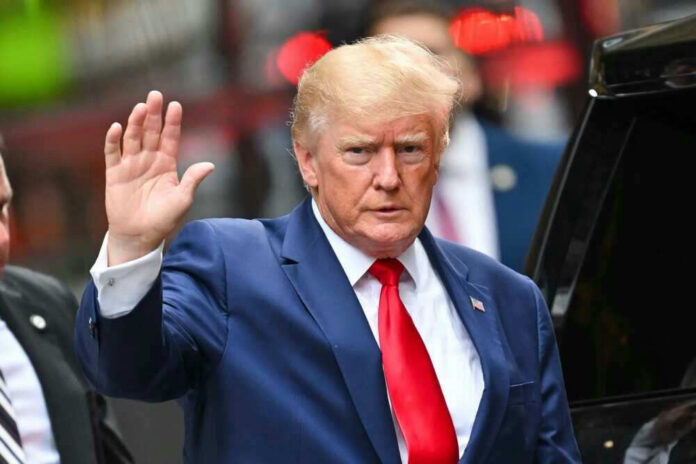
When the concerts meant to mark America’s 250th birthday started collapsing, President Trump’s answer was simple: scrap the music and pack the field with a sea of red hats instead.
Story Snapshot
- Trump floated canceling the official 250th-anniversary concerts after major artists walked away, suggesting a massive rally in their place.
- Freedom 250, the Trump-aligned public‑private project, already recasts the semiquincentennial as a Trump-centered patriotic spectacle.[1][2][3]
- Performers say they were misled about politics; Trump says the crowd only really wants to see him anyway.[2]
- The fight exposes a bigger question: who owns “patriotism” — a diverse public, or one man’s movement?[1][2][3]
How a national birthday concert turned into a loyalty test
America’s 250th anniversary was supposed to feature marquee concerts on the National Mall, part of a Great American State Fair branded celebration wrapped into Trump’s Freedom 250 initiative.[2] Freedom 250, a public‑private partnership chosen by the Trump administration, sits alongside the officially chartered America250 body and runs the Trump‑branded festivities.[2][3]
Within days of the concert lineup announcement, a cascade of artists pulled out, including Martina McBride, Bret Michaels, Morris Day, Young MC, and others, many saying they did not sign up for a partisan event.[2]
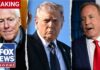
President Trump floats scrapping America's 250th anniversary concert for a massive MAGA rally after multiple artists pull out of the Great American State Fair lineup. Freedom 250 organizers later confirmed the president will personally kick off the celebration with an opening… pic.twitter.com/omudkAINvl
— Fox News (@FoxNews) May 31, 2026
Several performers publicly said they felt “bait and switch” after realizing the concert was tied directly to a Trump-aligned production rather than a neutral national commemoration.[2] Young MC described the situation as a bait-and-switch, while Morris Day flatly posted “It’s a no for me,” distancing himself from what he viewed as a politicized show.[2] Reporters and commentators quickly framed the unraveling lineup as a Trump-branded fiasco, likening the Freedom 250 series to a political version of the disastrous Fyre Festival.[1][2]
Trump’s counterpunch: no singers, just a rally and a narrative
Trump’s response to the artist exodus did not focus on salvaging the music; it focused on replacing it with himself. In comments and social posts, he floated canceling all the musical performances and instead holding a massive rally, saying he draws bigger crowds than the entertainers and calling them “overpriced singers” with “boring” music who “do nothing but complain.”[1] Coverage on cable news and digital outlets highlighted his line that the event should become “a great rally” instead of a star-studded concert.[1]
That proposal fits neatly into the broader design of Freedom 250 as laid out in his “Story of America” Freedom 250 address.[3]
In that speech, Trump casts the semiquincentennial as a sweeping patriotic project personally led by him, promising “the greatest birthday celebration our country has ever seen” with a Great American State Fair, “Patriot Games,” a national prayer gathering, and even a combat sports event at the White House.[3] The underlying message is that he, not a bipartisan commission, is the storyteller-in-chief for America’s 250 years.[1][3]
Freedom 250 versus America250: who owns the celebration?
The tug‑of‑war over concerts versus rally only makes sense once you see the institutional split.[2] America250 is the congressionally authorized, nominally bipartisan commission charged with commemorating the semiquincentennial; Freedom 250 is the Trump‑aligned public‑private entity that seized control of marquee programming like the Great American State Fair and the Freedom 250 concerts.[1][2][3] Commentators describe Freedom 250 as the president’s vehicle for embedding a distinct Christian‑nationalist and Trump‑centric narrative into the national birthday.[1][3]
This blurred line between an official commemoration and a leader‑centered spectacle is exactly where Americans should get cautious.[1] When the same apparatus controls the patriotic story, the fundraising pipeline, and the stage program, the temptation to turn a national holiday into a campaign‑style branding exercise grows stronger.[1][3]
What the concert meltdown reveals about patriotism and politics
The artist withdrawals themselves sit at the center of a cultural crossfire.[2] Performers say they walked to avoid becoming props in a partisan show; critics accuse them of virtue signaling and refusing to entertain ordinary Americans because of politics. One thread in the public reaction argues that entertainers should “just play the songs” and let the crowd celebrate the country, while others insist that tying their brands to Freedom 250 would implicitly endorse Trump’s political message.[2]
Trump’s rally‑for‑concerts swap spotlights a deeper question: is patriotism best expressed by broad, diverse participation or by a demonstration of loyalty to one leader and his movement?[1][2][3] For those who value federalism, civil society, and skepticism of centralized power, the healthier instinct is to keep national milestones bigger than any one politician. A 250th birthday worth honoring should showcase the country’s pluralism, not simply the biggest available stage for one man’s crowd.
Sources:
[1] Web – Trump calls for replacing US 250th concerts with MAGA rally
[2] Web – A Very Authoritarian Semiquincentennial Celebration
[3] Web – The Great American State Fair Meltdown, Explained – Washingtonian