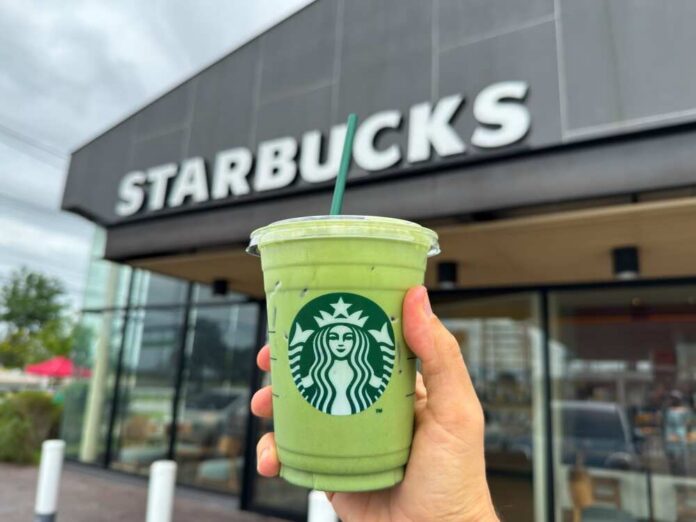
Starbucks put “sugar-free” in the name of eight protein drinks, and a lawsuit says those very drinks pack double-digit grams of sugar.
Story Snapshot
- Three consumers filed a proposed class action in Seattle federal court on Oct. 2, 2026.
- The complaint says eight “sugar-free” protein drinks contain about 13 to 21 grams of sugar per venti.
- Plaintiffs cite a federal rule for “sugar-free” that ties the claim to under 0.5 grams per serving.
- Starbucks says any sugar is lactose from milk and that it adds no sugar to the drinks.
The Filing: What Plaintiffs Say Starbucks Got Wrong
Three named consumers sued Starbucks in the United States District Court for the Western District of Washington, seeking to represent buyers nationwide. The complaint targets eight drinks that use “sugar-free” in their names, including vanilla and caramel protein lattes and matcha, plus iced versions. The suit says reasonable buyers would not expect 13 to 21 grams of sugar in a venti cup that is sold as sugar-free, and frames the claim as a straight labeling violation.
The plaintiffs’ core theory leans on a federal nutrient-content standard for “sugar-free.” They allege the law bars using that term if a serving exceeds 0.5 grams of sugar. The suit says these drinks clear that line by a wide margin because milk brings lactose, which is still sugar under the rule. The filing asks for damages, restitution, and an order stopping the challenged labels, signaling a push for money and market change, not just headlines.
What Is Actually In The Cup
The dispute turns on where the sugar comes from and how words land with buyers. The lawsuit says the grams come from lactose in protein-boosted milk. That still counts as sugar. Starbucks does not deny milk has lactose. The company says it adds no sugar and uses sugar-free syrups. That argument leans on “no added sugar,” not the stricter “sugar-free” standard the complaint cites. This gap between menu language and federal terms will likely decide the case.
The sugar numbers in coverage are large enough to catch attention. A venti serving allegedly ranges from about 13 to 21 grams, depending on the drink. The complaint’s point is simple: if a drink crosses the half-gram threshold per serving, “sugar-free” is off-limits. The plaintiffs say that is true here across eight products. The claim sits squarely in a familiar lane of food suits, where the label a shopper reads must match what the rule says it can mean.
Starbucks’ Defense: No Added Sugar, Clear Disclosures
Starbucks says the claims have no merit and that it will defend the case. The company stresses that sugar is naturally in milk and that it does not add sugar to these drinks. Starbucks also points to clear information across menus, the website, and the app, including “no added sugar” options and sugar-free flavors. That message speaks to common sense for many buyers, but the legal fight will likely hinge on the technical meaning of “sugar-free,” not on broad impressions.
A proposed class-action lawsuit accuses Starbucks of labeling eight protein drinks as "sugar-free" despite allegedly having up to 21 grams of sugar. https://t.co/FcvNEdxjdW
— Recordnet (@Recordnet) October 7, 2026
From a consumer-protection lens, the strength of Starbucks’ stance depends on whether a typical shopper equates “sugar-free” with “no added sugar.” Many do. But the regulation the plaintiffs cite ties “sugar-free” to total sugar in the serving, including lactose. If the court centers the federal threshold, the plaintiffs gain leverage. If the court credits Starbucks’ clarity about milk sugar and its “no added sugar” framing, the company gains room to argue no deception for the reasonable consumer.
Why This Case Matters Beyond One Menu Tab
Label fights often set quiet but powerful guardrails for the market. If the court accepts the complaint’s read of “sugar-free,” brands will need to scrub names and tabs that mix “no added sugar” with “sugar-free.” That would drive more precise words on menus and apps. If Starbucks prevails, chains may feel safer using “sugar-free” in names when only flavors are sugar-free, so long as they also flag milk sugar and keep added sugar at zero. Either way, expect copywriters to sweat the commas.
Conservative common sense favors plain speech and buyer trust. Say what a thing is, not what it wishes to be. If a rule sets a number, follow the number. If a company wants credit for “no added sugar,” use that exact phrase and stop there. Courts do not exist to police wellness vibes. They exist to line up words with facts. This case will test whether “sugar-free” means what the federal standard says it means when real milk is in the cup.
Sources:
people.com, reuters.com, abcnews.com