America’s top general says there are no plans to send troops to polling places this November, shutting down talk of federal boots at the ballot box.
Story Highlights
- Joint Chiefs chair Gen. Dan Caine says no troops or federalized Guard will be at polling places.
- Caine also says the military will not seize ballots, machines, or election materials.
- Federal law has long banned troops at polling sites, with narrow emergency exceptions.
- Media summaries echo the denial as the midterms approach.
Top General’s Written Denial On Election Deployments
Gen. Dan Caine, the chairman of the Joint Chiefs of Staff, told Congress the military has no plans to send federal troops or federalized National Guard members to polling places for the 2026 elections.
In a letter to Senator Elissa Slotkin, he also said there are no plans to seize ballots, voting machines, or any election material. His direct, written denial sets a clear line for November and puts the military outside the polling place debate.
Associated Press summaries reported the same core message. The military, under President Trump’s administration, does not plan to place troops at voting sites. That signal aims to calm pre-election rumors and keep focus on state and local control of elections.
The timing matters, as voters start to tune in and campaigns make their final pushes. Clear rules now lower the risk of confusion and last-minute fights over security roles at the polls.
US military has no plans to be at polling places, Caine says in letter to Sen. Slotkin https://t.co/0xgNBSlSJD
— John Solomon (@jsolomonReports) September 1, 2026
The Law: A Civil War-Era Ban Still Governs Today
Federal law has barred stationing troops or armed federal officers at polling places for more than a century. Title 18, Section 592 of the United States Code makes it a crime to order or keep troops at election sites, unless force is needed to repel armed enemies of the United States.
That exception is narrow and rare. The point is simple: civilians run our elections, and voters must be free from any show of federal military force.
Legal scholars call this a “wall” between the military and election administration. They note that neither the Constitution nor statutes give the president broad power to use troops in voting.
Instead, the laws that do speak to it are mostly prohibitions with limited emergency carve-outs. That structure protects federalism, limits government overreach, and keeps the chain of command out of local ballot boxes and community polling places.
Sorting Rumors From Reality As November Nears
Claims about “troops at the polls” often blend different things. One is a banned military presence at polling sites. Another is normal state or local police near a site for safety.
A third is broader election security away from the polls. The law treats each differently. The new letter targets the first category. It says the military will not show up at polling places or seize election gear. That clarity helps voters and poll workers plan with confidence.
The military defends the nation, not the ballot box. By putting the denial in writing, Gen. Caine removes a talking point that stirs fear and distrust. The better path is strong state planning, trained poll workers, and clear rules that keep order without heavy federal hands at the door.
What It Means For Voters And Local Officials
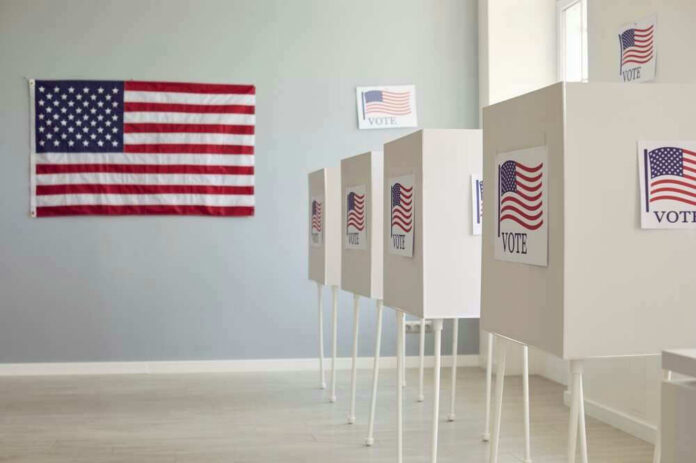
Voters should expect the usual scene this November: poll workers, neighbors in line, and local rules. They should not expect federal troops at the door.
Local law enforcement may be nearby for safety, based on state law and local needs, but that is not the same as federal troops. If issues arise, established state processes and courts handle disputes. That is how our system protects both order and liberty while respecting the lines the law draws.
Why This Matters For Constitutional Principles
Keeping troops away from polling sites defends core rights. It prevents intimidation and protects free speech and free assembly. It also respects the separation of powers and federalism. Our founders distrusted standing armies near civic life, and Congress backed that view with law.
Today’s reaffirmation stays true to that tradition. It limits government overreach and keeps the military focused on real threats, not domestic politics, which is exactly what voters deserve.
Sources:
apnews.com, inquirer.com, snopes.com, law.cornell.edu