
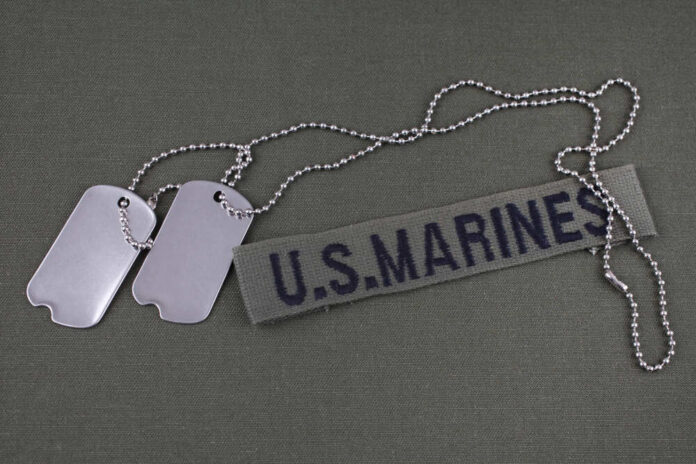
A U.S. Marine stationed on Okinawa stands accused of suffocating a 39-year-old woman inside a Naha hotel room, then walking off with her wallet and backpack.
Story Snapshot
- A Marine from Futenma Air Station was arrested after a woman’s body was found in a Naha hotel.
- Commanders ordered a 48-hour operational pause and barred troops from leaving base.
- Japan’s prime minister called the killing “heinous” and lodged a formal protest with Washington.
- The case has reopened decades-old anger over the size of the U.S. military footprint on Okinawa.
What Police Say Happened in Naha
Okinawa police arrested Lance Corporal Devin Jacob Ballard, 20, on suspicion of killing Anna Yagi, 39, inside a hotel in Naha, the prefecture’s capital city. Authorities say Yagi died from suffocation early on October 3, and that Ballard then stole her wallet and backpack. He is assigned to Marine Corps Air Station Futenma, home to one of the island’s largest American installations.
The Marine Corps confirmed Ballard’s unit assignment to the III Marine Expeditionary Force and said it is fully cooperating with Japanese investigators. The Corps added it takes the allegations seriously and expects every Marine to meet the highest standards of conduct, a statement meant to signal accountability while the legal process moves forward in Japan.
Marine Corps Pulls Back the Reins
Lieutenant General Benjamin Watson, who commands the III Marine Expeditionary Force, ordered a two-day pause in operations across the command. He restricted troops from leaving base and directed additional training, a response aimed at steadying the force while Japanese authorities build their case against Ballard.
The restrictions are temporary, but they carry weight. Pulling thousands of Marines off liberty and into mandatory training sends a blunt message to both troops and the Japanese public that leadership is treating the allegation as a serious breach of trust, not a routine legal matter to be quietly managed.
Tokyo Demands Accountability
Japanese Prime Minister Sanae Takaichi told lawmakers the killing was a “heinous crime” and called on the United States to thoroughly enforce discipline among its forces. Her comments reflect mounting public anger on an island that has hosted a heavy American troop presence for decades under the postwar security alliance.
Japan’s government took the rare step of lodging a formal protest with Washington. A spokesperson said Tokyo “strongly seeks maximum cooperation with the investigation” and pressed for tighter discipline and concrete steps to prevent another case like it. The Marine Corps has said it is assisting Japanese authorities at every stage.
A Small Island Carrying a Big Burden
Okinawa makes up a sliver of Japan’s land but hosts roughly 70 percent of all U.S. military facilities in the country, a legacy of the postwar security treaty between the two nations. That concentration means any single case involving American personnel lands in an unusually sensitive setting, not an ordinary local crime story.
U.S. forces in Okinawa face sweeping new restrictions following the arrest of a Marine accused of killing a 39-year-old woman at a hotel in Naha and stealing her wallet. The military has imposed a 48-hour ban on alcohol consumption on and off base, halted off-base liberty and… pic.twitter.com/HgW4wMkU7K
— APT News (@APT__News) October 7, 2026
Okinawa prefectural police recorded 101 criminal cases tied to U.S. military personnel last year, up sharply from about 40 in 2020. That rising count, paired with memories of past tragedies on the island, explains why a single arrest can trigger island-wide protests and formal diplomatic action within days.
For an alliance built on mutual defense, incidents like this test whether discipline and accountability match the trust both governments ask their citizens to place in it. A swift, transparent response from military leadership is the bare minimum owed to a grieving family and a host nation that has carried this burden for generations.
Sources:
washingtontimes.com, apnews.com, cbsnews.com, bbc.com, english.aawsat.com, aljazeera.com