
The resurgence of bird flu across the Midwest is now colliding with a federal response hobbled by past government overreach and misplaced research priorities, leaving America’s food supply and families at risk.
Story Highlights
- Bird flu cases are spiking earlier than expected in 2025, forcing the culling of millions of poultry birds and threatening autumn supplies.
- Federal agencies face challenges in responding effectively, as previous funding cuts to mRNA research may slow vaccine development.
- Experts warn the virus could become endemic, raising long-term risks to agriculture and potentially to human health.
- Uncertainty looms for egg prices and food security, while new government strategies are met with skepticism from farmers and conservatives.
Early Bird Flu Spike Hits American Farms
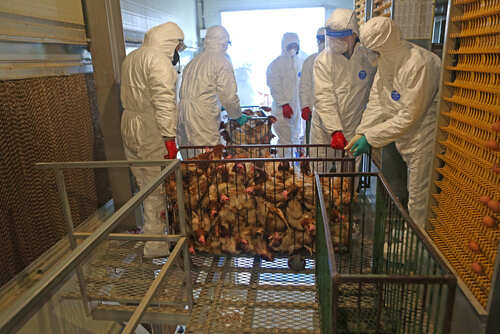
Bird flu, also known as H5N1 avian influenza, is spreading rapidly across poultry farms in states like Minnesota and Iowa. Over four million poultry birds have been culled in the past month due to confirmed infections—a spike occurring earlier than experts anticipated for 2025.
This marks the fourth consecutive autumn where infections have risen, suggesting the virus is becoming entrenched in wild bird populations.
The increased presence of wild waterfowl during seasonal migration is accelerating the spread, as these birds gather in shrinking wetlands and share viruses, amplifying the risk to both commercial farms and backyard flocks.
Officials and producers are bracing for a difficult autumn, a period historically marked by rising cases. The culling of millions of birds threatens not only the livelihoods of farmers but also the stability of America’s food supply chain.
According to state agriculture officials, the full impact on egg prices remains uncertain, but disruptions in production are likely to be felt by consumers already weary from years of inflation and supply shortages.
The situation is further complicated by changing farm practices, as previous outbreaks forced new protocols for handling milk and livestock when the virus was discovered in dairy cows in recent years.
Some state officials are bracing for a challenging autumn. Bird flu is spreading again, now that wild water fowl — geese, ducks and cranes — have begun their seasonal migrations. https://t.co/lC5k9KjMwN
— NBC News (@NBCNews) October 9, 2025
Federal Response and Research Limitations
Both current strategies and the legacy of policy decisions from previous administrations have shaped the federal government’s approach to bird flu in 2025. The Department of Agriculture has announced a five-prong plan, allocating $100 million for research into new biosecurity measures and vaccine development for poultry.
However, the absence of an approved vaccine for poultry birds in the United States and the slow pace of evaluation contrast sharply with countries like France that are already vaccinating their flocks.
Farmers and agricultural leaders express concern that bureaucratic caution and regulatory barriers are delaying practical solutions, leaving American producers vulnerable to ongoing outbreaks and export restrictions.
Some public health experts warn that previous cuts to mRNA research funding could hamper the nation’s ability to rapidly develop new vaccines if the bird flu mutates to infect humans more easily.
The cancellation of grants for mRNA-based vaccine projects, including those by leading biotech companies, is viewed by critics as a short-sighted move that prioritizes political talking points over long-term national preparedness.
The Centers for Disease Control and Prevention’s reduction in coordination with health providers this spring has also drawn criticism from medical professionals, who argue that consistent communication and research investment are essential for managing emerging threats.
Long-Term Risks and Conservative Concerns
The ongoing risk of bird flu becoming endemic in wild birds raises alarms about the potential for more frequent and severe outbreaks in the years ahead.
Scientists caution that the more the virus circulates, the higher the risk it could adapt to infect humans, especially if a person becomes co-infected with seasonal flu and H5N1.
While the current risk to the general public remains low, at least seventy people—mostly farmworkers—have been infected since the virus’s initial detection in commercial flocks, with one fatality reported.
The specter of government overreach during health emergencies, combined with regulatory uncertainty and the potential erosion of personal freedoms, remains a top concern for many conservative Americans.
Farmers and rural communities, already frustrated by years of government mandates and shifting public health narratives, are demanding clear, practical solutions that protect both the nation’s food supply and constitutional values.
Calls for robust biosecurity, transparent communication, and respect for individual rights are growing louder as bureaucratic delays and policy reversals sap public confidence.
As the fall migration season continues, millions of Americans remain watchful—determined that government action must preserve, not undermine, the fundamental principles of American life.