
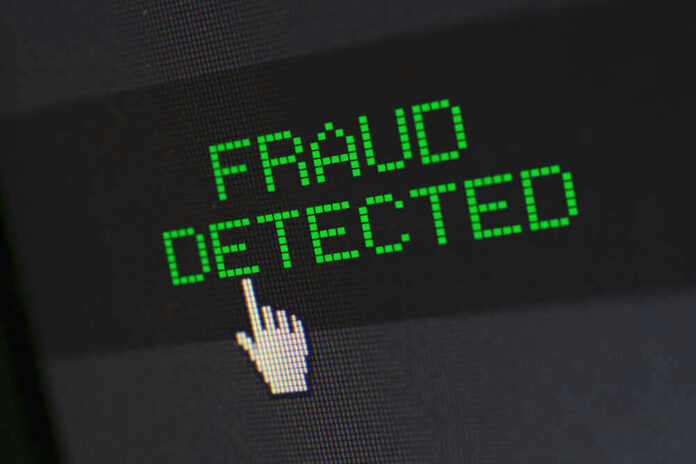
A $140 million Ponzi scheme, allegedly orchestrated by a prominent Georgia Republican and his family, has left hundreds of conservative investors betrayed and millions of dollars vanished, raising big questions about who to trust, even when they sit in your political tent.
At a Glance
- Federal regulators allege First Liberty Building & Loan, run by Edwin Brant Frost IV, was a $140 million Ponzi scheme targeting conservative investors.
- The scheme collapsed in June 2025, leaving roughly 300 investors—mostly from Georgia’s GOP and Christian networks—with devastating losses.
- The SEC is seeking an asset freeze as investigators uncover millions spent on luxury goods, vacations, and political contributions.
- The case has caused political shockwaves, with the Frost family deeply embedded in Georgia Republican leadership.
- No criminal charges yet, but criminal investigations and regulatory reforms are on the horizon.
Georgia’s $140 Million GOP Ponzi Scheme: Conservative Investors Left High and Dry
Federal authorities have dropped a bombshell on Georgia’s conservative political circles, accusing Edwin Brant Frost IV—a man who built his reputation on faith, family, and fiscal responsibility—of masterminding a $140 million Ponzi scheme through his now-defunct First Liberty Building & Loan. For years, Frost and his family targeted fellow Republicans and conservative Christians, promising high returns on short-term loans to small businesses. Those “returns,” it turns out, were nothing more than other people’s hard-earned savings, shuffled around in a classic shell game as old as fraud itself.
This wasn’t some fly-by-night operation. Frost and his family ran First Liberty out of Newnan, Georgia, for over a decade, advertising on conservative media and leveraging their deep connections in the Republican Party. The firm raised capital by dangling the prospect of up to 18% returns—a number that should have set off alarm bells for anyone who’s ever balanced a checkbook. But the real kicker? Many of the 300 investors were drawn from their own political and church networks. The average investment: nearly half a million dollars. Now, those life savings have evaporated, with little hope of recovery as SEC investigators sift through what’s left of the company’s accounts.
Political Fallout: When the Watchdogs Are the Wolves
Edwin Brant Frost IV isn’t a lone operator. His son, Brant Frost V, chairs the Coweta County GOP and is a former state GOP vice-chair. His daughter, Katie Frost, holds a leadership role in Georgia’s 3rd Congressional District GOP. This was a family operation with deep roots and even deeper influence—one that donated generously to conservative causes and candidates. The revelation that so many in their own circles were left holding the bag is a gut punch to everyone who thought “family values” meant you wouldn’t get fleeced by your neighbor.
The SEC’s complaint is a laundry list of red flags: new money used to pay off old investors, millions withdrawn for personal luxuries, and a sudden silence from First Liberty as soon as the game was up. The Frosts, once fixtures at state party events and church fundraisers, are now persona non grata, with their assets frozen and their reputations in tatters. The political fallout is just beginning, as Georgia’s Republican establishment scrambles to distance itself from the mess. The story isn’t just about financial ruin—it’s about trust, betrayal, and just how easy it is for wolves to slip into the fold.
Regulatory Reckoning and Lessons for the Conservative Base
This debacle is more than a local scandal—it’s a wake-up call for every conservative who believes that trust and handshake deals are enough to keep out bad actors. The First Liberty case is textbook affinity fraud, exploiting tight-knit political and religious communities who were told they were supporting like-minded patriots. Regulators are now circling, and the SEC’s warning couldn’t be more explicit: “The promise of a high rate of return on an investment is a red flag.” The pain is especially raw in an era when conservatives are already fuming about government overreach, inflation, and the endless siphoning of tax dollars for pet projects and leftist wish lists.
What’s next? Criminal charges are possible. Regulatory reforms are likely. But the real damage—the loss of trust and the financial devastation for hundreds of families—will linger. The Frosts’ political ties mean the ripple effects could reshape not just Georgia’s GOP, but investor protections and fundraising far beyond. If you’re angry, you should be. This isn’t just about one crooked banker; it’s about a system that lets the fox guard the henhouse while hardworking Americans bear the cost. The lesson: scrutinize every promise, no matter who makes it—because in politics and investing alike, your values are only as strong as your vigilance.