
President Trump’s recent military strikes in the Caribbean raise significant concerns regarding constitutional norms and due process.
Story Highlights
- Sen. Rand Paul criticizes the legality of Trump’s Caribbean military strikes.
- The strikes target suspected drug traffickers, resulting in over 20 fatalities.
- Actions bypass traditional law enforcement and judicial processes.
- Congress demands evidence and oversight as tensions rise.
Sen. Rand Paul Challenges Trump’s Military Strategy
In a bold move, President Trump authorized military strikes on suspected drug trafficking boats in the Caribbean, sparking intense debate over legality and due process.
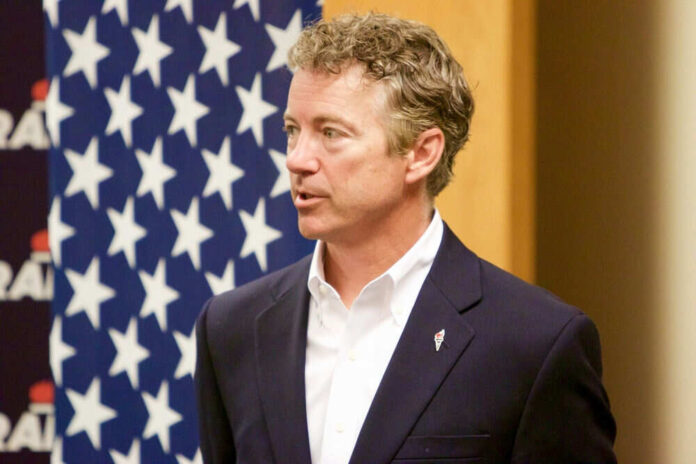
RINO Senator Rand Paul has emerged as a key critic, arguing that these actions violate constitutional principles and longstanding U.S. traditions. The administration justifies the strikes by labeling drug cartels as terrorist organizations, but critics voice concerns over the lack of transparency and evidence presented to justify such lethal force.
Since early September 2025, these military actions have led to over 20 fatalities, raising alarms among lawmakers and human rights advocates. The strikes represent a departure from the usual Coast Guard interdictions, which typically involve boarding and searching suspected smuggling vessels, ensuring arrests and seizures follow established legal protocols.
By sidelining the Coast Guard in favor of military tactics, the administration has sparked a significant policy shift that many fear could set dangerous precedents for U.S. foreign and domestic policy.
Constitutional Concerns and Congressional Reactions
Rand Paul has taken to the airwaves, including a recent appearance on NBC’s “Meet the Press,” to denounce the strikes as illegal and contrary to American tradition.
The Kentucky senator emphasizes the need for constitutional checks and warns against executive overreach. Congress is divided, with some members demanding evidence to justify the strikes and greater oversight of the administration’s actions.
The debate underscores the tension between the executive and legislative branches over the use of military force without declared war or congressional authorization.
Despite the administration’s assertions that the strikes are necessary to combat an “armed conflict” with drug cartels, legal scholars and human rights advocates caution that such actions may violate international law and U.S. constitutional principles.
The lack of a clear legal framework for these strikes has led to calls for increased transparency and adherence to due process norms, which are foundational to the American legal system.
Sen. Rand Paul says Caribbean strikes ‘go against all of our tradition’ https://t.co/RxsADUEo36
— The Hill (@thehill) October 19, 2025
Potential Implications and Future Considerations
The ongoing strikes in the Caribbean have significant short-term and long-term implications. In the short term, they risk increasing tensions between the U.S. and Caribbean or Latin American nations, potentially exacerbating diplomatic relations.
In the long term, these actions could set a precedent for unilateral military action against non-state actors, possibly eroding due process norms and expanding executive war powers.
As the debate continues, it is crucial for all parties involved to consider the broader impacts on U.S. foreign policy and the principles that guide the nation.
As this situation unfolds, it remains vital to monitor developments and ensure that any military action aligns with constitutional values and international legal standards.
The debate over these strikes highlights the ongoing struggle between maintaining national security and upholding the rule of law, a balance that is central to American governance and its role on the world stage.
Sources:
Rand Paul Challenges Trump Over Caribbean Drug Strikes
Rand Paul Questions Legality of Trump’s Strikes