Major corporations are reshaping entire business models around weight loss drug users, signaling a massive cultural shift that prioritizes pharmaceutical dependency over traditional American values of self-discipline and personal responsibility.
Story Highlights
- Target expands protein and supplement sections to capitalize on GLP-1 drug users’ nutritional deficiencies
- The weight loss medication market is projected to reach $150 billion by 2035, with 30 million Americans potentially dependent
- Major food companies like Nestlé and Conagra are redesigning products specifically for drug-dependent consumers
- Corporate America embraces pharmaceutical solutions over promoting healthy lifestyle choices and personal accountability
Corporate Giants Pivot Business Models Around Drug Dependency
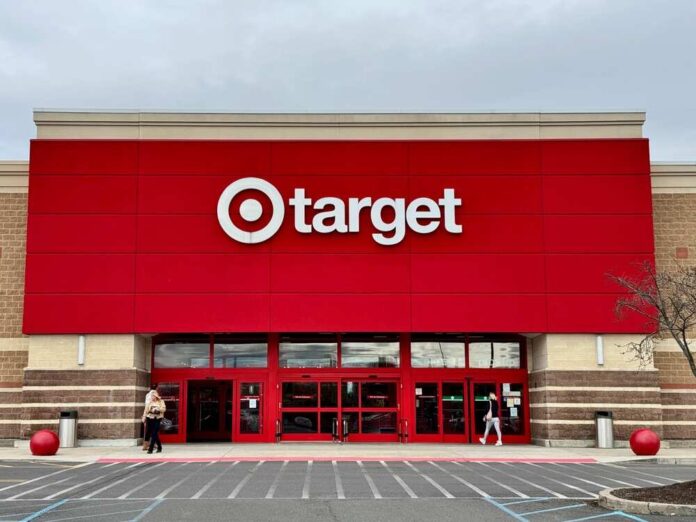
Target announced plans to expand shelf space for protein items and supplements in early 2026, in response to nutritional deficiencies caused by GLP-1 weight-loss medications.
Lisa Roath, Target’s chief merchandising officer, revealed the company tracks cultural trends, including influencer content, to drive purchasing decisions. This corporate strategy essentially profits from pharmaceutical side effects rather than promoting natural health solutions that align with traditional American values of self-reliance and personal responsibility.
Target beefs up protein, supplement offerings, capitalizing on weight loss drug trend https://t.co/zCp4zpVZKy
— FOX Business (@FoxBusiness) December 10, 2025
Pharmaceutical Market Explosion Raises Health Concerns
Morgan Stanley projects the weight loss medication market will reach $150 billion by 2035, with approximately 30 million Americans using these drugs. Currently, 8 million patients rely on medications designed initially for diabetes treatment.
The rapid expansion concerns advocates of natural health approaches, as these drugs suppress appetite, leading to nutritional deficiencies. This pharmaceutical dependency contradicts conservative principles favoring personal accountability and natural health management over quick-fix medical solutions.
Food Industry Abandons Natural Health Promotion
Nestlé Health Science launched platforms specifically targeting GLP-1 users’ nutritional needs, while Conagra Brands created “on track” badges for drug-friendly products.
Danone introduced Oikos Fusion yogurt, marketed explicitly to weight-loss drug users facing “unique nutrition challenges.” These corporate responses prioritize profit from pharmaceutical side effects rather than promoting traditional healthy eating habits.
Conservative health advocates question why companies encourage drug dependency instead of supporting time-tested approaches to weight management through discipline and lifestyle changes.
Cultural Shift Away from Personal Responsibility
The corporate embrace of GLP-1-focused products represents a concerning cultural shift away from traditional American values of self-discipline and personal accountability. Rather than promoting natural weight management through proper diet and exercise, major corporations are building entire business segments around pharmaceutical dependency.
This trend undermines the conservative principle that individuals should take personal responsibility for their health outcomes. The focus on accommodating drug side effects instead of encouraging healthy lifestyle choices reflects broader societal acceptance of quick fixes over character-building personal discipline.