
Jeanine Pirro’s razor-thin Senate confirmation as U.S. Attorney for D.C. is shaking up the nation’s legal and political landscape, fueling fierce debate over loyalty, law enforcement, and the future of justice in the capital.
Story Snapshot
- Jeanine Pirro confirmed as U.S. Attorney for D.C. in a 50-45 party-line vote, highlighting deep political divisions.
- Pirro’s record as a vocal Trump ally and Fox News host draws criticism over concerns about prosecutorial independence.
- The appointment places a political loyalist at the helm of the nation’s most influential federal prosecutor’s office.
- Senate Democrats warn of risks to the rule of law, while Republicans tout her credentials and commitment to fighting crime.
Pirro Confirmed as D.C. U.S. Attorney in Partisan Showdown
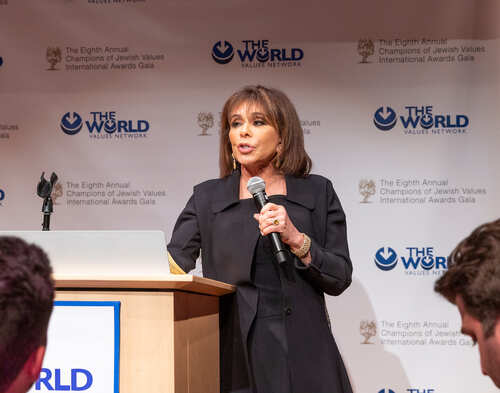
The U.S. Senate confirmed Jeanine Pirro as U.S. Attorney for the District of Columbia in a strictly party-line 50-45 vote. Pirro, a prominent supporter of President Donald Trump and former Fox News host, now oversees the largest and arguably most influential federal prosecutor’s office in the United States.
This confirmation comes after she served as interim U.S. Attorney since May, following her nomination by President Trump earlier this year.
Senate Republicans praised her legal experience and unwavering loyalty, while every Democrat voted against her, citing concerns about her role in promoting 2020 election denial and her public defense of Trump in the aftermath of the January 6 Capitol riot.
President Trump lauded Pirro’s confirmation, calling her “a real crime fighter for D.C.” on Truth Social. Pirro’s supporters highlight her decades-long career as a prosecutor and judge in New York, claiming that her courtroom experience and tough-on-crime stance are exactly what the nation’s capital needs.
The confirmation, however, has ignited fierce resistance from Democrats and legal experts, who warn that placing a political loyalist at the helm of the D.C. U.S. Attorney’s office risks undermining the perceived independence of federal law enforcement and the fair prosecution of politically sensitive cases.
Political Loyalty and Law Enforcement at the Forefront
Pirro’s ascent to this crucial post marks a dramatic departure from the longstanding tradition of appointing career prosecutors or respected legal professionals with records of impartiality.
Her background as a Fox News personality and her repeated public claims of 2020 election fraud—even after her network cautioned her—played a central role in the contentious Senate debate.
Critics point to Pirro’s involvement in spreading misinformation cited in the Dominion Voting Systems lawsuit, which contributed to Fox News’s historic $787 million settlement.
Senate Democrats, including leaders like Dick Durbin and Adam Schiff, issued statements condemning the appointment, arguing that it jeopardizes the rule of law and could erode public trust in the justice system.
In contrast, the Trump administration and Senate Republicans argue that the D.C. office needs a strong, decisive leader to restore law and order after years of what they see as politicized prosecutions and leniency towards leftist unrest.
They maintain that Pirro’s record as district attorney and her vigorous support for law enforcement will bring much-needed accountability and stability to the capital. The Republican majority in the Senate proved decisive, overcoming unified Democrat opposition to install Pirro in the post.
Impact on Justice, January 6 Cases, and Public Trust
As U.S. Attorney, Pirro immediately assumes responsibility for prosecuting both local and federal cases in D.C., including ongoing trials related to the January 6 Capitol riot.
Legal experts and former prosecutors have voiced concerns that her open partisanship and public advocacy for Trump could compromise the impartial handling of these sensitive cases.
The D.C. office, already under scrutiny for its role in prosecuting high-profile political matters, now faces the challenge of maintaining staff morale and public confidence amidst this highly politicized leadership change.
Pirro’s confirmation also sets a new precedent for the appointment of media personalities and overt political allies to top law enforcement roles.
Supporters argue that her prosecutorial background and willingness to challenge entrenched interests make her uniquely qualified. Opponents, however, warn that the move risks turning the Justice Department into an instrument of political loyalty rather than a guardian of impartial law.
The long-term impact may reach beyond D.C., influencing future federal appointments and the standards by which Senate confirmations are judged.
Broader Implications and Reactions from Both Sides
The reaction to Pirro’s confirmation has been swift and polarized. Conservative commentators and law enforcement groups have welcomed her as a bold choice capable of cracking down on crime and restoring trust in the system after years of what they view as leftist overreach.
The D.C. Police Union congratulated Pirro on social media, echoing support for her tough-on-crime credentials.
Critics—both in Congress and in legal circles—warn that the appointment is part of a larger trend of politicizing the federal justice system, with possible chilling effects on career prosecutors and increased public distrust.
The confirmation underscores the deepening divide in American politics over the role of law enforcement, government accountability, and the future of the justice system.
With Pirro now firmly in control of the nation’s most powerful prosecutor’s office, the coming months will test whether her leadership can deliver on promises of public safety and impartiality—or further inflame the country’s political and legal battles.