
Kamala Harris called President Trump’s media ban “absolutely abhorrent,” and the constitutional fight that followed could set a new line for press freedom.
See the video below.
At a Glance
- Trump banned CNN, MS NOW, and Politico from White House access over “fake news” claims.
- Reporters from those outlets were denied entry and had passes seized the next day.
- The outlets sued, arguing the ban punishes coverage and violates the First Amendment.
- Trump and allies framed the ban as a response to biased reporting, not logistics.
What Triggered The Clash
President Trump announced on Sept. 18, 2026, that he was banning CNN, MS NOW, and Politico from the White House due to their “constant ‘reporting’ FAKE NEWS!” His statement tied access to coverage, not to security or space needs.
The next day, reporters from those outlets arrived and were turned away. Some had their press passes confiscated, confirming that this was not bluster but a real lockout with teeth.
Trump and allies kept the focus on fairness in coverage. They said the outlets push negative stories and fail basic standards.
Senator John Barrasso argued the press must report fairly and defended the ban as constitutional, citing past media errors to justify tougher lines on access.
That framing matters. It signals the dispute is not about safety or order; it is about content, bias, and the right to be heard near the center of power.
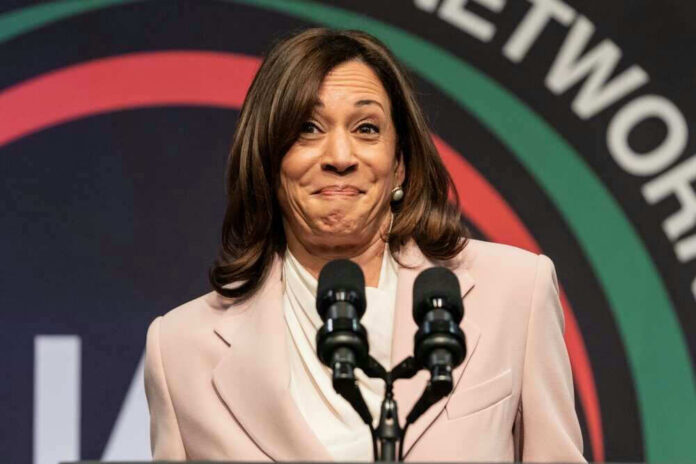
Former Vice President Kamala Harris shares thoughts on Trump's ban of news outlets from the White House after an event with Abdul El-Sayed in Detroit Tuesday:
"It's absolutely abhorrent." Video by David Guralnick, TDN. https://t.co/XzS52wg7aq pic.twitter.com/woOw7tvBsR
— The Detroit News (@detroitnews) September 23, 2026
The Lawsuit And The Core Legal Question
CNN, MS NOW, and Politico sued in federal court and asked a judge to restore access fast. Their claim is simple: the White House punished them for their reporting, which violates the First Amendment’s ban on viewpoint discrimination.
They say this was done without clear rules, notice, or a process to contest the decision. Courts have often been wary when government ties access to the tone of coverage rather than to neutral criteria.
The administration’s case faces early hurdles. No single story or specific error was cited as the trigger. The rationale rests on broad claims of “fake news,” which are hard to prove or refute in court without concrete examples.
That gap invites judges to see retaliation, not rule enforcement. Once the White House opens routine access to newsrooms, courts have pushed back against bans that appear to target viewpoints rather than set reasonable, neutral rules.
Harris’s Attack And The Political Theater
Harris blasted the ban as “absolutely abhorrent,” giving the story a clean, emotional headline and a rallying point for critics. The banned outlets framed the move as a direct attack on free speech and newsgathering.
They argue the public’s right to independent reporting is at stake when access hinges on whether coverage flatters the powerful. That is a strong narrative hook, and it resonates beyond media circles into everyday concerns about fairness and transparency.
Conservatives see a mirror image. They note years of selective outrage about media errors, double standards, and buried stories. They ask why the press demands special treatment when most Americans must live with the results of their mistakes.
That sentiment has bite. Yet common sense also says government should not act as a referee of truth in the briefing room. Set neutral access rules, enforce them evenly, and let the public judge the reporting in the marketplace of ideas.
What Will Decide The Outcome
The case may turn on paperwork, not sound bites. If the White House can show a written access policy with clear, neutral standards, applied evenly, it gains ground. If emails and logs show the outlets were singled out for their viewpoints, the plaintiffs’ case strengthens.
Judges will also look for due process: notice, reasons, and a way to appeal. Absent those basics, courts have often ordered the government to fix the process and restore access while the fight continues.
The stakes are larger than a turf battle. A ruling that greenlights viewpoint-based exclusions would tempt future leaders to pick winners and losers in the press room. A ruling that rejects all discretion would hamstring reasonable security and order.
The likely path is a tight middle: the White House can set rules for time, place, and manner, but cannot punish disfavored stories. That lane protects order without giving government the last word on who gets to ask questions.
The Test: Fairness, Process, Accountability
Three guardrails align with basic fairness. First, write the rules down. Access should depend on conduct, not content. Second, provide notice and a chance to respond before revoking a pass, except in emergencies.
Third, keep a public log of actions under the policy. Those steps curb bias, force accountability, and remove excuses from both the government and the press. Whoever holds power next would have to play by the same rules.
Sources:
cnbc.com, cnn.com, journalrecord.com, yahoo.com, lawcommentary.com