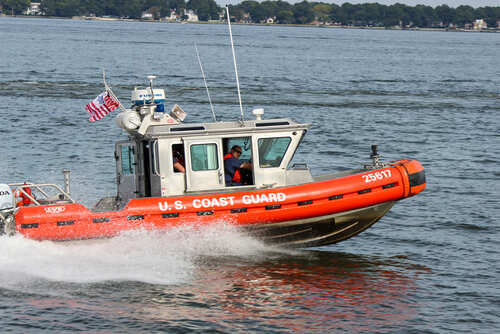
U.S. Coast Guard crews returned fire after shots came from the Mexican side of the Rio Grande near Garceno, Texas, on September 26.
Story Snapshot
- Coast Guard personnel reported incoming gunfire from Mexico and fired back.
- No injuries or damage were reported from the exchange.
- The incident occurred during joint interdiction operations with federal partners.
- U.S. forces shifted assets to reinforce the Rio Grande Valley afterward.
What Happened On The River
Coast Guard Forces Rio Grande were on the water near Garceno in Starr County, Texas, on September 26 when gunfire came from the Mexican riverbank, according to service officials. The crews returned fire and continued their mission with no reported injuries or damage to assets. The service said the exchange took place during joint interdiction operations with other federal agencies. Officials stated the circumstances remain under investigation, a standard step after a use of force.
The location matters. The river bends and narrows near Garceno, where smugglers often try quick crossings at night. Crews can be within yards of the opposite bank in that stretch. Any incoming round at that range forces an immediate response. The Coast Guard’s description of incoming fire followed by return fire fits typical riverine rules of engagement. Protect the crew, end the threat, and avoid escalation beyond the immediate danger.
Why This Triggered A Fast Reinforcement
Federal leaders quickly highlighted the shootout as a sign of rising illegal activity along that corridor, then moved people and equipment into the Rio Grande Valley to stabilize the area. Rapid reinforcement sends a basic message: you cannot intimidate U.S. forces off the water. That stance tracks with common sense and with conservative priorities on border control. A government that will not shield its front-line crews invites more aggression, not less.
Moving units forward also helps close the gap smugglers exploit. When more patrols watch the same miles, smugglers have fewer soft spots and less time to stage attacks. Extra aircraft and ground teams improve detection, which reduces chances of another direct strike. The logic is simple: speed, mass, and presence reduce risk. Officials applied that logic here in the days after the exchange.
How The Operation Fits The Bigger Border Picture
Joint interdiction is now the norm on the river. Coast Guard boat crews integrate with other federal teams to stop smuggling, disrupt cartel scouts, and guide migrants to safe custody. The Garceno contact happened inside that playbook. The crew’s actions preserved life and kept control of the scene. That matters because loss of control, even for minutes, can open the door to bolder attacks in the same sector.
Hundreds of American troops are reinforcing the U.S. southern border after an incident in which Coast Guard members were fired upon from Mexico. Coast Guard personnel “encountered gunfire” in the Sept. 26 incident near Garceno, Texas, according to the Center… w-j.co/s/896db pic.twitter.com/ilb6FqW3Qr
— The Western Journal (@WesternJournalX) October 6, 2026
Public reports kept to core facts: the direction of fire, the Coast Guard response, and the lack of casualties or damage. That clarity is important. It sets a line for accountability and planning while the investigation runs its course. The record also shows that leaders treated the event as real and serious enough to shift troops and gear. That response aligns with the duty to defend U.S. personnel and to hold the line on the border.
Sources:
thegatewaypundit.com, foxnews.com