In a victory for free speech and common sense, a North Carolina school district must apologize and pay $20,000 after suspending a student for using the term “illegal aliens” in class.
At a Glance
- Student suspended for using “illegal aliens” in class wins legal settlement.
- The school district must issue a public apology and clear the student’s record.
- The family receives a $20,000 settlement for the incident.
- The case highlights ongoing debates about free speech and language in schools.
Legal Settlement and Apology
In a case that highlights the absurdity of political correctness run amok, a federal court has approved a legal settlement requiring a North Carolina school district to publicly apologize and financially compensate a student.
Sixteen-year-old Christian McGhee was suspended from Central Davidson High School for using the term “illegal aliens” during a classroom discussion.
The school labeled it as “racially insensitive,” leading to a lawsuit from the McGhee family, who argued this was a violation of Christian’s First Amendment rights.
Student suspended for saying 'illegal aliens' in class gets cash, apology from schoolhttps://t.co/7gW6p1CwPq
— The Jeff Katz Show (@jeffkatzshow) July 24, 2025
The school district will now correct Christian’s school records to remove any reference to racial bias and pay the family $20,000. A public apology is also part of the agreement, acknowledging the inappropriate response to Christian’s classroom comment. However, the terms of the settlement specify that this is not an admission of liability or wrongdoing by the district.
Defending Free Speech in Schools
This incident serves as a stark reminder of how far off track some educational institutions have strayed.
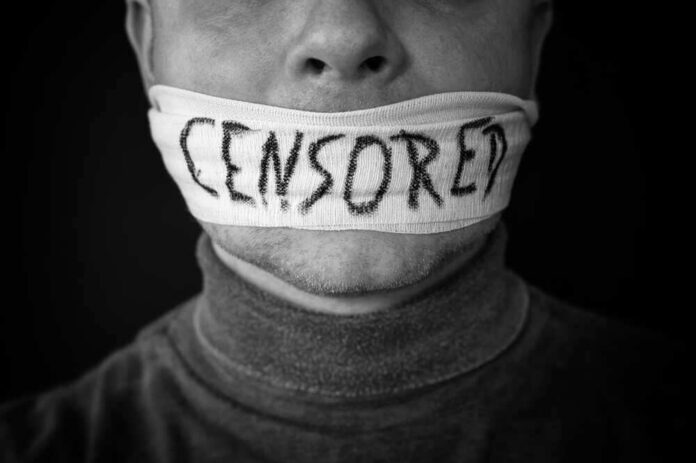
Schools should be places where open and honest discussions are encouraged, not stifled by politically correct censorship. The term “illegal aliens” is a legally recognized term used in U.S. political and legal discourse, yet Christian was punished for simply using it to clarify a classroom discussion.
The Liberty Justice Center, which represented the McGhee family, hailed the settlement as a victory for free speech. They emphasize that protecting students’ rights to free expression, even when controversial, is crucial. The case also references *Tinker v. Des Moines*, a landmark decision that protects student speech as long as it does not cause substantial disruption.
Impact and Future Implications
The immediate impact of this settlement is clear: Christian McGhee’s record has been cleared, and the family has received compensation. The broader implications, however, may be even more significant. This case sets a precedent for how schools handle disciplinary actions related to language use, especially when involving terms with legal but controversial connotations.
The decision may prompt other educational institutions to rethink their policies on student speech and language sensitivity. It serves as a warning against overreach and the potential legal and financial consequences of stifling free expression in schools. This case has even drawn political interest, with figures like Donald Trump weighing in, further highlighting its significance.
Reactions and Broader Debate
Reactions to the settlement have been mixed, reflecting the broader national debate on immigration, language, and free speech. Advocacy groups for immigrant rights argue that terms like “illegal aliens” should be discouraged in educational settings due to their offensive nature. However, free speech advocates insist that students should not be punished for using legally recognized terms, especially in academic contexts.
Legal experts view the settlement as reinforcing the need for schools to balance disciplinary actions with constitutional rights. The case underscores the importance of ensuring that educational policies do not infringe on students’ rights to free expression, a fundamental principle that must be protected.